
Wondering what’s happening with R407c refrigerant? You’re right to ask. With new environmental regulations, many things are changing in the world of air conditioning and refrigeration. The ban on R407c and similar refrigerants isn’t just a new trend; it’s a legal obligation that’s hitting industry professionals hard. Let’s look at what the law says and what options are available to you to remain compliant and keep your systems running.
Key Takeaways
- The European F-Gas Regulation mandates a progressive reduction in refrigerants with a high Global Warming Potential (GWP).
- The ban on R407c and other HFCs with a high GWP is already underway and will intensify, particularly by 2025.
- More environmentally friendly alternatives exist, such as natural refrigerants (CO₂, propane, ammonia) or low-GWP blends.
- Adopting new alternatives requires equipment adaptation and specific technician training, especially concerning potential flammability or toxicity.
- The law imposes strict obligations regarding containment, leak checks, and operator qualifications for systems using refrigerants.
Understanding the Ban on R407c and Similar Refrigerants
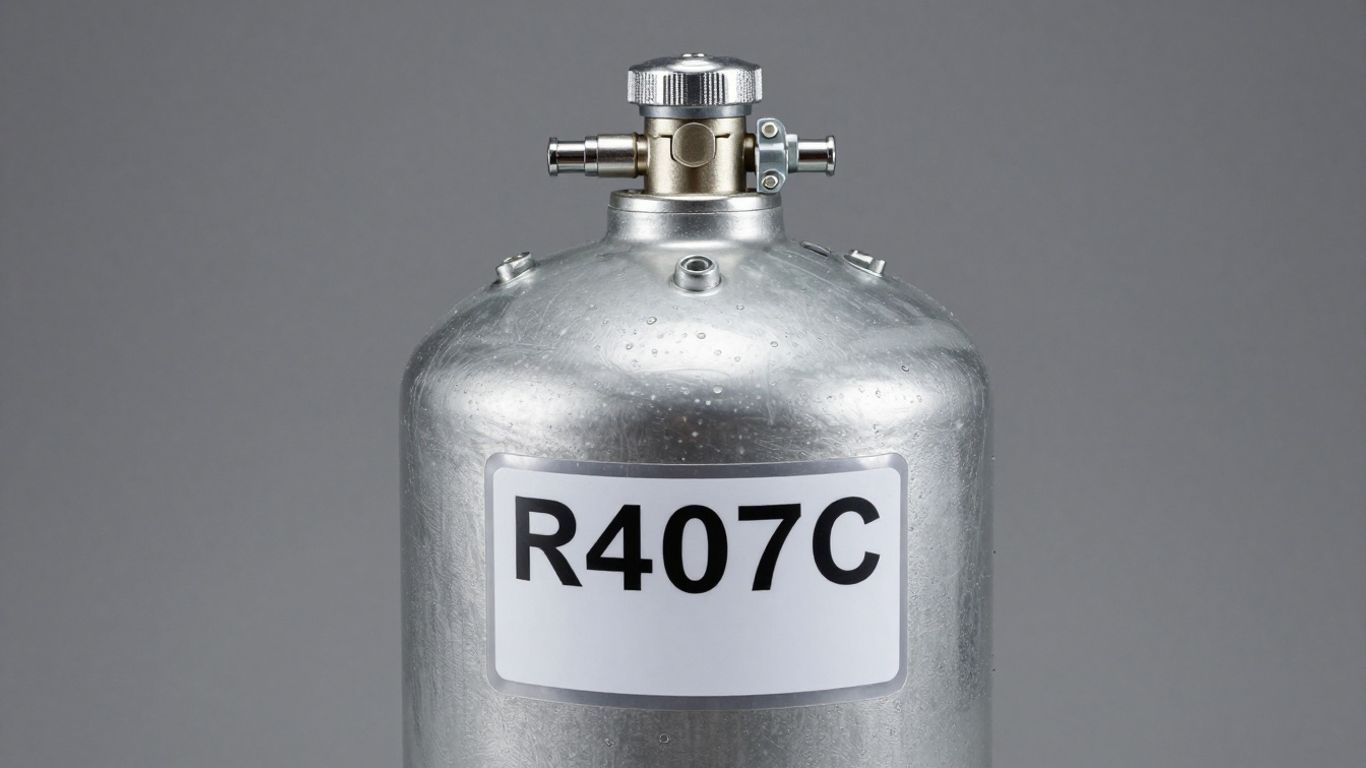
You might be wondering why R407c, a refrigerant you’ve used for a long time, is now subject to restrictions. The main reason lies in its environmental impact, specifically its Global Warming Potential (GWP). European regulations, particularly the F-Gas Regulation, are evolving to reduce the use of fluorinated greenhouse gases. R407c is among the HFC (hydrofluorocarbon) refrigerants whose use is being progressively limited.
The European F-Gas Regulatory Timeline
The F-Gas Regulation is the framework dictating these changes. It aims to drastically reduce emissions of fluorinated greenhouse gases. This timeline includes several key stages for the phase-out of the most impactful refrigerants. It’s not a sudden ban, but a staggered implementation to allow professionals to adapt.
Refrigerants Affected by Restrictions
R407c is not alone in this situation. Other common refrigerants like R410A, R134a, and R404A are also subject to these restrictions, depending on their GWP. Refrigerants with a high GWP are targeted first. For example, from 2025, refrigerants with a GWP of 1500 or higher will face significant restrictions for new installations. It is therefore important to know which refrigerants you are using and their associated GWP.
The Impact of Global Warming Potential (GWP)
GWP measures a gas’s contribution to the greenhouse effect relative to carbon dioxide (CO₂) over a given period, usually 100 years. A refrigerant with a high GWP means it contributes more to global warming when released into the atmosphere. R407c has a GWP of approximately 1774, placing it in the category of refrigerants whose use must be reduced. It is imperative to understand the GWP of each refrigerant to anticipate regulatory changes and choose more environmentally friendly alternatives.
The evolution of refrigerant regulations forces you to rethink your systems and practices. It’s not just about complying with the law, but also about contributing to environmental protection.
Restrictions on high-GWP refrigerants are starting now for certain applications and will intensify in the coming years. For instance, new commercial refrigeration systems will not be able to use refrigerants with a GWP of 2500 or higher from 1 January 2025. For air conditioning and heat pumps, similar bans will apply from 2026. It is therefore time to inform yourself about available alternatives and the adaptations necessary for your equipment.
Here’s an overview of the deadlines for HFCs:
- Before 2022: Ban on refrigerants with GWP ≥ 2500 (for certain applications).
- From 2025: Restrictions on refrigerants with GWP ≥ 1500, notably impacting R407c and R410A in new installations.
- By 2030: Target of a 79% reduction in HFC quotas, aiming to ban most remaining refrigerants with a significant GWP.
These changes imply a transition to refrigerants with a lower environmental impact. It is advisable to consult the specific regulations to fully understand your obligations.
Key Deadlines for the HFC Ban
Restrictions from 2022 and 2025 for High-GWP Refrigerants
As you may already know, the European F-Gas Regulation is implementing a rather strict timeline for the phase-out of hydrofluorocarbons (HFCs). These gases, used in many air conditioning and refrigeration systems, have a significant impact on the greenhouse effect. Their Global Warming Potentials (GWPs) are particularly high, justifying these measures.
Specifically, significant restrictions came into effect on 1 January 2022. These primarily concern refrigerants with a GWP of 2500 or higher. Think, for example, of R404A or R507, which are now much more difficult to use for new installations. The aim is to encourage the adoption of less environmentally harmful solutions.
Next, the 2025 deadline marks a new stage. From this date, refrigerants with a GWP of 1500 or higher will no longer be permitted for the maintenance of existing equipment. This includes widely used refrigerants like R410A, which still equips many air conditioners. It is therefore imperative to start anticipating the replacement of these systems or to plan for alternative refill solutions. R410A, with a GWP of 2088, is a typical example of a refrigerant affected by this phase of the regulation.
The 2030 Horizon for Remaining HFCs
While the restrictions of 2022 and 2025 are already substantial, the year 2030 represents the culmination of this transition. By then, the goal is to drastically reduce HFC consumption. The regulation aims for a 79% reduction in volumes placed on the market between 2015 and 2030. This means that even refrigerants with a GWP below 1500 will be subject to limitations.
From 2030, only refrigerants with a GWP of 150 or lower will be permitted for placing on the market and for the maintenance of equipment. This pushes towards the use of natural refrigerants or highly efficient blends with a low environmental impact. R32, for example, while still an HFC, has a lower GWP (around 675) and is considered a transitional solution. However, even it will be subject to constraints in the long run.
The evolution of HFC production and import quotas is making these gases increasingly scarce and therefore more expensive. This progressive scarcity is a strong economic lever to encourage the transition to more environmentally friendly alternatives.
Implications for Existing Installations
It is important to understand that these bans do not mean your current installations must be immediately decommissioned. The F-Gas Regulation provides specific provisions for equipment already in place. However, maintaining these systems becomes more complex and costly over time.
- Recovery and Recycling: For refrigerants still permitted, their recovery during maintenance operations is mandatory. Recycling or regeneration are encouraged to extend the lifespan of refrigerants.
- Refill Ban: From certain dates, it may become prohibited to use virgin refrigerants for refilling equipment whose GWP exceeds a certain threshold. Only recycled or regenerated refrigerants may be used, under certain conditions.
- Replacement Obligation: Ultimately, for reasons of performance, refrigerant availability, and regulatory compliance, replacing old installations with systems using low-GWP refrigerants will become inevitable. It is therefore wise to anticipate this change now.
The regulatory timeline, while sometimes complex, is designed to gradually lead us towards more sustainable solutions. It is essential to be well-informed to adapt your practices and equipment accordingly.
Alternatives to R407c: Towards Low-Impact Refrigerants
Given the increasing restrictions on refrigerants with a high Global Warming Potential (GWP), it is becoming imperative to turn to more environmentally friendly solutions. R407c, once common, is now affected by these regulatory changes. Fortunately, the market offers viable alternatives, whether they are so-called natural refrigerants or synthetic blends designed to minimise their ecological footprint.
Natural Refrigerants
Natural refrigerants represent a promising future path. They are distinguished by a zero or very low GWP, making them particularly attractive in the current context. Among them, we find:
- CO₂ (R744): Although its operating pressure is high, CO₂ is non-toxic and non-flammable. It is increasingly finding its place in commercial and industrial refrigeration systems.
- Propane (R290): This refrigerant offers excellent thermodynamic performance and a GWP of 3. Its main drawback is its flammability, which requires increased safety precautions and equipment adaptation.
- Ammonia (R717): With a GWP of 0, ammonia is an excellent refrigerant, particularly for industrial applications. However, its toxicity imposes strict installation and operating constraints.
Low-GWP Blends
To overcome some of the limitations of natural refrigerants, low-GWP synthetic blends have been developed. These refrigerants are generally designed to offer performance similar to older refrigerants while significantly reducing their climate impact. For example, R454B is an increasingly considered option for heat pumps, offering a good balance between performance and environmental respect.
These blends are generally classified according to their flammability and toxicity, criteria to be taken into account when choosing the most suitable solution for your installation. It is important to note that some of these blends are designed to be direct or near-direct substitutes, thus facilitating the transition for existing systems.
R32 Refrigerant as an Intermediate Solution
R32 is often presented as a transitional solution. With a GWP of 675, it is significantly less impactful than R407c (GWP of approximately 1774) or R410A (GWP of approximately 2088). It is already widely used in residential and commercial air conditioners. Although it is flammable (A2L class), its use is governed by specific safety standards. R32 represents an important step towards even more environmentally friendly refrigerants, but it is not the ultimate long-term solution. Other refrigerants, such as R513A, are also available for specific applications, offering an even lower GWP.
It is essential to consult the technical specifications of each refrigerant and ensure compatibility with your existing equipment or plan for the necessary adaptations. The transition to these new generations of refrigerants requires an in-depth analysis of the needs and constraints of each installation.
Technical and Safety Considerations for New Alternatives
Flammability and Toxicity of New Refrigerants
The adoption of new refrigerants, particularly those with a low Global Warming Potential (GWP), comes with new technical and safety considerations. It is imperative to fully understand the properties of these substances. For example, some refrigerants like propane (R290) or R32 are classified as mildly flammable (A2L class). This means they can ignite under certain conditions, although their flammability is limited compared to pure hydrocarbons. Rigorous handling and installation are therefore necessary to minimise risks. It is essential to ensure that installations comply with maximum charge limits and that installation areas are well-ventilated. The toxicity of these refrigerants is generally low, but prolonged exposure or exposure to high concentrations can pose dangers. It is therefore essential to consult the safety data sheets (SDS) for each refrigerant before any intervention.
Adaptation of Equipment and Installations
Switching to new refrigerants requires adaptation of existing equipment. Systems designed for R407c are generally not compatible with new refrigerants, whether they are natural refrigerants or low-GWP blends. You may need to replace certain components, such as compressors, expansion valves, piping, or seals, to ensure chemical and mechanical compatibility. For example, A2L refrigerants may require specific piping materials and more sensitive leak detection devices. It is also important to check the compatibility of the lubricants used in the system with the new refrigerant. A thorough assessment of your current installation is the first step before considering a transition.
The Importance of Technician Training
Given these technical and safety changes, technician training is a non-negotiable aspect. Handling mildly flammable refrigerants or working with differently designed systems requires up-to-date skills. Professionals must be trained in new installation, maintenance, and repair procedures, as well as safety protocols specific to each type of refrigerant. Operator certification is often a legal requirement, particularly for handling refrigerants. Only qualified and regularly trained technicians can guarantee the safety of installations and compliance with current regulations. Consider inquiring about available training for handling A2L refrigerants.
- Risk Assessment: Understand and assess the risks associated with the flammability and toxicity of new refrigerants.
- Procedure Adaptation: Update installation, maintenance, and repair methods.
- Use of Safety Equipment: Master the use of personal protective equipment (PPE) and specific tools.
- Regulatory Knowledge: Stay informed about evolving standards and applicable regulations.
The Legal Framework and its Implications for Professionals
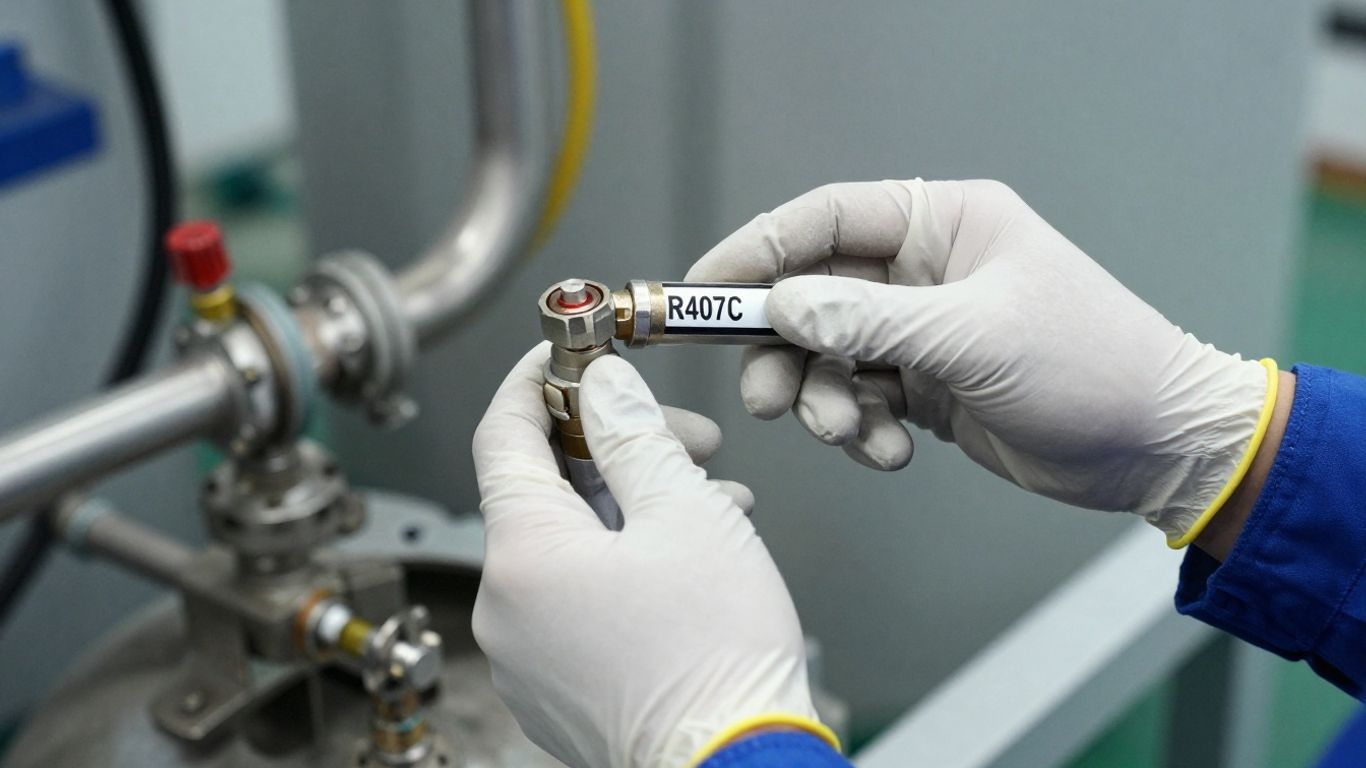
The transition to refrigerants with a lower environmental impact is not just a matter of technology; it is also heavily regulated by law. For you, as industry professionals, this means adapting your practices and gaining a thorough understanding of regulatory obligations. The European F-Gas Regulation, particularly the revised version (EU) 2024/573 which came into force in March 2024, sets the stage for this evolution. It’s not just about banning certain gases, but also about defining how you must handle, install, and maintain equipment containing them or their substitutes.
Containment and Leak Check Obligations
The first golden rule is to limit leaks. The F-Gas Regulation places particular emphasis on the containment of fluorinated greenhouse gases. This means that you, as equipment owners, must have regular leak checks carried out. The frequency of these checks depends on several factors, including whether your installation is equipped with a leak detection system. Compliance with these checks is fundamental to avoid atmospheric releases and associated penalties. Intervention reports, which document each operation, are also set to evolve to better align with new requirements.
Operator Certification and Qualification
Handling refrigerants, whether old or new, requires recognised expertise. For companies, this translates into obtaining an “attestation de capacité” (certificate of capacity) issued by an accredited body. For technicians who work directly on installations, an “attestation d’aptitude” (certificate of aptitude) or a qualification is necessary. These qualifications attest that you have undergone adequate training and master safe and environmentally friendly handling techniques. The evolution of the European regulation implies an update of training and certification programmes, so it is important to stay informed about the latest requirements. You can consult official gazette notices to identify recognised training courses.
Evolution of Operating and Maintenance Costs
The progressive ban on HFCs with a high Global Warming Potential (GWP) has a direct impact on the market: scarcity and therefore an increase in the cost of the refrigerants concerned. This can make the maintenance of old installations more expensive. At the same time, adopting new alternatives, such as natural refrigerants or low-GWP blends, may require an initial investment in new equipment or adaptations. However, the total cost of ownership over the long term must be considered. Low-GWP refrigerants, although sometimes more expensive initially, can offer savings on refills and reduce the risk of penalties. Furthermore, the improved energy efficiency of some new technologies can also contribute to reducing your energy bills. It is therefore essential to carefully evaluate the cost-benefit ratio of each solution from a sustainability perspective. Natural refrigerants, for example, are an interesting avenue for industrial refrigeration CO₂ (R744).
In Summary: Anticipate to Adapt Better
Given the constant evolution of regulations on refrigerants like R407c, it is clear that now is the time to act. You must prepare for these changes now. Ignoring these new rules means risking non-compliant equipment and additional costs. Adopting alternative solutions, whether they are refrigerants with a low environmental impact or new technologies, is no longer an option but a necessity. Think about it: investing in the ecological transition today means ensuring the sustainability of your business and contributing to a healthier future for all. Don’t wait for bans to catch up with you; get informed, get trained, and adapt your installations without delay.
Frequently Asked Questions
Why is R407c refrigerant banned?
R407c is a refrigerant that contributes to global warming. Like other similar gases, it has a high Global Warming Potential (GWP). European F-Gas legislation aims to reduce the use of these gases to protect the environment. This is why its use is being phased out.
When exactly will refrigerants like R407c no longer be usable?
The bans depend on the refrigerant’s Global Warming Potential. For refrigerants with a high GWP, like R407c, restrictions began in 2022 and continue until 2025. After 2030, even refrigerants with a lower GWP will be banned, except for those with a very limited impact on the climate.
What are the alternatives to R407c?
There are several options. You can turn to natural refrigerants, such as CO₂ (R744) or propane (R290), which have a very low impact on the climate. R32 refrigerant is also an intermediate solution, as it has a lower GWP than R407c, but it will also be subject to restrictions in the longer term.
Are the new alternatives dangerous?
Some new refrigerants can be flammable or toxic. Therefore, it is crucial to adapt your equipment and follow strict safety rules. Technician training is also very important for handling these new refrigerants safely.
What are my obligations as a professional?
You must ensure that your installations do not leak and check their tightness regularly. You must also have the required certifications to work with new refrigerants. These changes can also affect the maintenance costs of your equipment.
Is R32 a definitive solution?
R32 is a better alternative to R407c because its impact on global warming is three times lower. However, it is only a temporary solution. The F-Gas Regulation plans a significant reduction in HFC use by 2030, which means R32 will also be subject to restrictions in the long run.
