
We spend the majority of our time indoors, and the air we breathe there isn’t always the healthiest. It can contain dust, allergens, and even chemicals. Fortunately, there are simple steps you can take to improve the air quality in your home. Regular ventilation is one of the most effective methods for renewing the air and removing pollutants. This article guides you through best practices for purer indoor air and improved well-being.
Key points for healthy indoor air
- It is recommended to ventilate your home by opening windows for at least 10 minutes, twice a day, in the morning and evening. Particularly consider this after cooking, cleaning, or doing DIY.
- Maintain an ideal humidity level, between 40% and 60%. To do this, ventilate humid rooms well, such as the bathroom and kitchen, and avoid drying your laundry indoors if possible.
- Ensure that ventilation systems, such as mechanical ventilation units, are working correctly. Regularly clean grilles and replace filters according to recommendations.
- When undertaking renovations or choosing new furniture, prioritise building materials and products with an A+ health label. They emit fewer pollutants into the air.
- Have your combustion appliances (boilers, water heaters) checked annually to prevent risks associated with carbon monoxide, a dangerous gas.
Understanding Indoor Air Quality
We spend a large part of our time indoors, often without realising that the air we breathe there can be more polluted than the outdoor air. This indoor pollution can come from various sources and have consequences for our health. It is therefore important to understand what affects the air quality in our homes to better address it.
The air in our homes can be contaminated by many elements. These pollutants come from both human activities and the materials present in our dwellings. Among the most common sources are:
- Occupants and their activities: Humidity released by cooking, showering or drying laundry, smoking, pets, but also cleaning products and cosmetics you use daily contribute to air pollution.
- Equipment: Poorly maintained heating appliances (boilers, stoves), clogged ventilation or air conditioning systems, or emissions from vehicles parked nearby can introduce pollutants.
- Building and furnishing materials: Certain insulation materials, wall or floor coverings, furniture, and fabrics can release volatile organic compounds (VOCs) into the air over the long term.
- Outdoor air: Outdoor pollutants can penetrate your home, as can certain natural emanations from the soil, such as radon.
Poor indoor air quality can have noticeable effects on your well-being. Prolonged exposure to certain pollutants can cause or worsen health problems such as allergies, eye and respiratory tract irritation, headaches, or sleep disturbances. For people suffering from chronic illnesses like asthma, air quality is particularly important. Maintaining healthy indoor air is therefore a preventative measure for your health.
It is often difficult to precisely measure all pollutants present in the air, such as mould or certain chemical substances. Rather than focusing solely on measurement, it is more effective to reduce sources of pollution and improve ventilation.
Air renewal is key to removing accumulated pollutants and humidity. It allows fresh air to enter from outside and stale air to exit. Good ventilation helps reduce the concentration of pollutants and prevent mould formation, often caused by excess humidity. Ensuring adequate air circulation is therefore a simple and effective way to improve the air quality in your home.
Good Daily Ventilation Practices
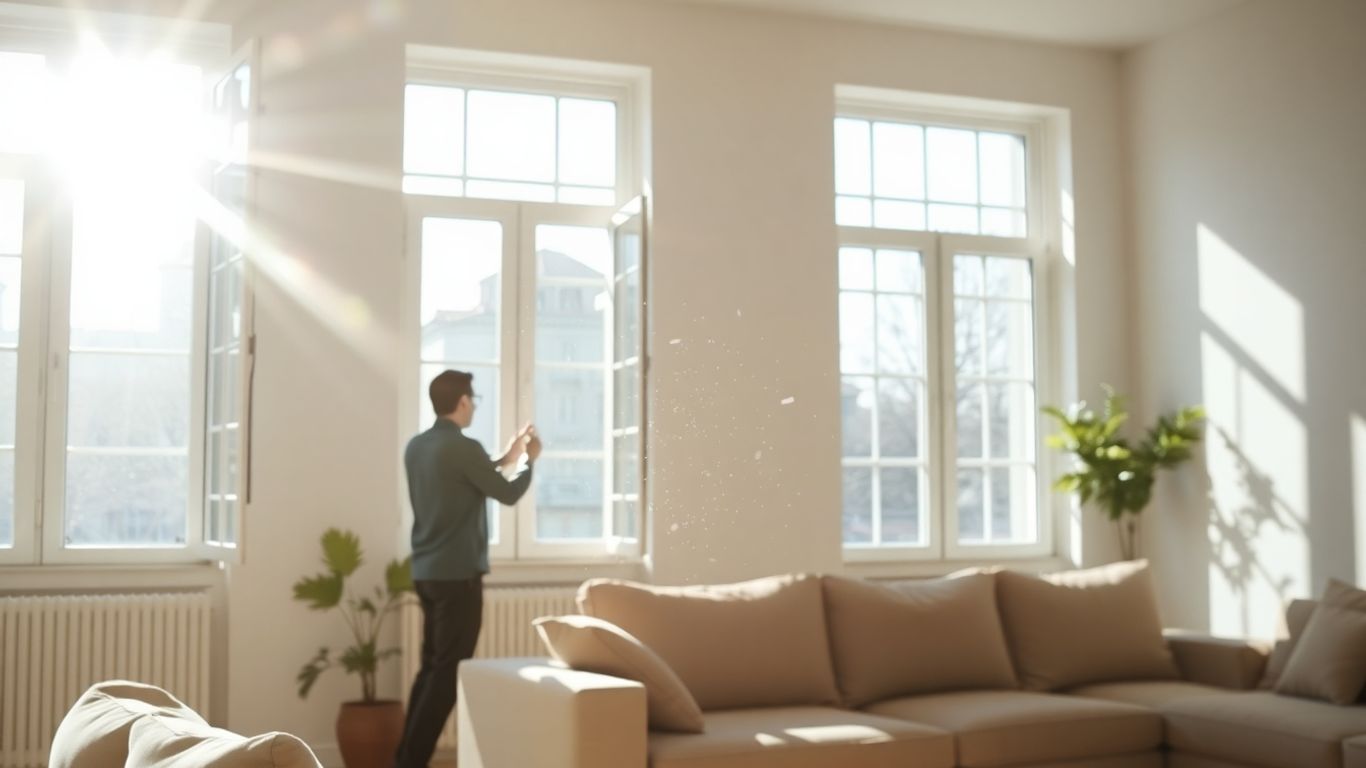
Renewing the air in your home is a simple but essential step to maintain a healthy indoor environment. By opening your windows wide, you allow fresh air to circulate and evacuate accumulated pollutants. This daily practice directly contributes to your respiratory well-being.
Frequency and Duration of Ventilation
It is advisable to ventilate your home at least twice a day, morning and evening, for about ten to fifteen minutes each time. The ideal is to open windows wide for effective air renewal. Do not hesitate to extend this duration during specific activities that generate more pollutants or humidity.
Ventilating During Specific Activities
Certain domestic activities require increased ventilation. This is particularly the case after cooking, cleaning, DIY, or even after a shower. These moments are conducive to the release of volatile organic compounds (VOCs) or humidity into the air. Quick and effective ventilation helps limit their concentration.
Optimising Air Circulation
For ventilation to be fully effective, air circulation between different rooms must be encouraged. Ensure that interior doors are slightly open, or that a gap of at least 1 to 2 cm is left underneath them (known as undercutting). This allows air to circulate naturally from living areas to technical rooms like the kitchen or bathroom, where it will be extracted. Remember not to obstruct ventilation grilles, whether natural or mechanical. Good air renewal is the key to a healthy interior.
Managing Humidity for Healthy Air
Excessive humidity in your home can quickly become a problem, not only encouraging the appearance of mould but also affecting your respiratory health. It is therefore essential to control it. Maintaining an ideal humidity level is the first step towards healthier indoor air.
Maintaining an Ideal Humidity Level
For optimal comfort and to prevent humidity-related inconveniences, it is advisable to aim for a hygrometry level between 40% and 60%. A simple, inexpensive hygrometer will allow you to monitor this data. If the level is too high, you will need to identify the sources and take action.
Extracting Humidity from Humid Rooms
Rooms such as the bathroom and kitchen are naturally more prone to humidity accumulation. It is essential to ensure good ventilation in these areas. The systematic use of an extractor hood during cooking, even for small preparations, is a simple but effective measure. Similarly, after each shower or bath, remember to ventilate the bathroom to remove steam. Leaving interior doors open can also help improve air circulation throughout the home, thus facilitating air renewal and contributing to a healthier environment. Good ventilation management can be facilitated by home automation systems that adjust airflow according to detected conditions, thereby improving the quality of life and safety in your home home automation systems.
Drying Laundry and Cooking
Drying laundry indoors, although convenient, releases a significant amount of humidity into the air. If you cannot do it outside, opt for a well-ventilated room, ideally equipped with an air extraction system. Regarding cooking, covering pots and pans when boiling water helps limit the steam escaping into the room. These actions, though simple, have a noticeable impact on the humidity level in your home.
Good humidity management involves daily habits and particular attention to the most exposed rooms. Do not underestimate the impact of these actions on the quality of the air you breathe.
Maintenance of Ventilation Systems
To ensure good indoor air quality, it is essential to keep your ventilation systems in good working order. Regular maintenance ensures effective air renewal and prevents the accumulation of pollutants.
Cleaning Ventilation Grilles
Ventilation grilles, whether for natural or mechanical ventilation, can quickly become obstructed by dust. It is advisable to clean them at least once a month. Use a soft cloth or a vacuum cleaner to remove accumulated dust. If they are very dirty, you can dismantle them (if the model allows) and wash them in warm soapy water, then let them dry completely before reassembling them. A clean grille allows for better air circulation.
Maintenance of Mechanical Ventilation Systems
For Controlled Mechanical Ventilation (CMV) systems, whether single or dual flow, regular maintenance is necessary. Extraction vents, often located in humid rooms such as the kitchen or bathroom, must be cleaned to effectively remove humidity and pollutants. Always refer to your appliance’s manual for specific dismantling and cleaning instructions. Good maintenance of your CMV system is essential for healthier air.
Filter Replacement
Dual-flow CMV systems, in particular, are equipped with filters that retain fine particles and allergens. These filters must be replaced periodically to maintain their effectiveness. The replacement frequency varies depending on the model and your home environment, but it is generally recommended to change them every six months to a year. A clogged filter reduces airflow and can become a source of pollution. Remember to check the condition of your filters and replace them as soon as they show signs of wear or clogging.
Choosing Air-Friendly Materials and Products
To maintain healthy indoor air, it is important to carefully consider the building materials and products you use daily. Certain elements can indeed release volatile organic compounds (VOCs) and other pollutants that affect the quality of the air you breathe.
Health Labelling of Building Materials
For several years, regulations have imposed specific labelling for construction and decoration products. This label, visible on the packaging, indicates the level of volatile pollutant emissions. It is presented as a scale ranging from A+ (very low emissions) to C (high emissions). Systematically prioritising A+ rated products is a simple step to limit exposure to VOCs. When undertaking renovation or construction work, take the time to consult this labelling to make informed choices. This applies to paints, varnishes, insulation, floor and wall coverings, as well as furniture.
Prioritising Natural Cleaning Products
Household cleaning products, although useful for cleanliness, can be a significant source of indoor pollution. Many contain chemical substances which, once diffused into the air, can be harmful. It is therefore advisable to turn to more natural alternatives. White vinegar, bicarbonate of soda, black soap, or Marseille soap are excellent versatile cleaners. They are effective and much less aggressive for air quality. If you use essential oils to fragrance your home, do so sparingly, as even natural ones can sometimes irritate the respiratory tract.
Avoiding Emissive Chemical Products
Beyond cleaning products, other everyday items can contribute to air pollution. Indoor air fresheners, paraffin-based scented candles, hairsprays, and other aerosol products should be used with caution. They can release fine particles and chemical compounds. For purer air, opt for natural wax candles (beeswax, soy) and ventilate your home well after using these products. Also consider managing emissions related to your leisure activities, such as sculpting or woodworking, by ensuring good room ventilation. For advice on improving your home, the E-Home website offers interesting avenues.
Monitoring Combustion Appliances
It is essential to pay particular attention to appliances that operate by combustion in your home. These pieces of equipment, although useful, can pose risks if they are not properly maintained or used. The main danger lies in the production of carbon monoxide (CO), an odourless and deadly gas that can result from incomplete combustion.
Risks Associated with Carbon Monoxide
Carbon monoxide is a silent enemy. It is produced by the combustion of materials such as gas, oil, wood, or coal. Heating appliances, water heaters, gas cookers, and even fireplaces can emit it if their operation is not optimal. A high concentration of CO in the air can lead to severe, even fatal, poisoning. It is therefore crucial to know the signs of poisoning, such as headaches, nausea, dizziness, or fatigue, and to know how to react in case of suspicion.
Annual Appliance Maintenance
To prevent any risk, regular maintenance of your combustion appliances is essential. It is recommended to have your installations, such as gas boilers or water heaters, checked by a qualified professional at least once a year. This professional will ensure that the appliances are working correctly and that there is no risk of carbon monoxide emission. Also, do not forget the sweeping of your chimneys and exhaust flues, which should be carried out at least once a year, especially if you use a wood-burning heating appliance. The use of quality fuels, such as wood bearing specific labels, also contributes to cleaner and safer combustion. Remember to consult the tips for healthy air.
Checking Exhaust Systems
Exhaust systems, whether chimney flues or ventilation systems for gas appliances, must be in perfect condition. An obstruction or degradation of these systems can prevent the correct evacuation of combustion gases, thereby increasing the risk of carbon monoxide poisoning. It is advisable to visually check for blockages and to call a professional for a more thorough inspection if necessary. The installation of carbon monoxide detectors is also a very important additional safety measure, as they alert in case of an abnormal presence of this deadly gas.
Healthy Air, a More Pleasant Daily Life
There you have it, you now have all the keys to improving the air quality in your home. Remember that these actions, simple as they may be, make a real difference to your health and daily well-being. Ventilating regularly is truly the habit to adopt, first thing in the morning and in the evening, without even thinking about it. Also remember to ventilate rooms where humidity settles, such as the kitchen or bathroom. And if you have any doubts about your appliances, a quick check or regular maintenance can prevent many problems. Take care of your home, and your home will take care of you.
Frequently Asked Questions
Why is it so important to ventilate your home every day?
Ventilating your home every day helps to renew the air. This helps to get rid of small particles and dust that can accumulate indoors and which, sometimes, make us cough or sneeze. It’s like opening the windows to let in a big breath of fresh air!
How long should windows be left open to ventilate properly?
It is advisable to open windows wide for about 10 to 15 minutes, twice a day. First thing in the morning and in the evening before going to bed are good times. This is enough to change the air without cooling the house too much.
What are the simple steps to having healthier air at home?
For healthier air, remember to ventilate every day. Also try not to dry your laundry indoors, or if you do, make sure it’s in a well-ventilated room. Covering your saucepans when you cook also helps to limit humidity.
What products should be used for cleaning without polluting the air?
For cleaning, opt for simple products like white vinegar, black soap, or bicarbonate of soda. They are gentler on the air than many strong-smelling chemical products.
How do I know if humidity is a problem in my home?
If you see condensation on the windows or damp patches on the walls, it means the air is too humid. An ideal humidity level is between 40% and 60%. If it’s too high, you need to think about better ventilation, especially in the bathroom and kitchen.
Should your boiler and other combustion appliances be checked?
Yes, absolutely! Appliances like boilers or water heaters that use gas or other fuels can release an invisible and dangerous gas called carbon monoxide. They must be checked by a professional once a year to ensure they are working correctly and pose no danger.
