
Your car’s air conditioning system, often mistakenly called just ‘air con’, relies on a complex engine to keep you cool. Understanding its different parts, how it works at various speeds, and how to care for it is key to avoiding discomfort, especially when temperatures rise. You might think it’s complicated, but a few basic notions about the air conditioning engine can make a big difference. Let’s look together at what you need to know to keep your cabin a cool haven.
Key Takeaways
- The compressor is the heart of the system, pressurising the refrigerant so it can circulate.
- The condenser, similar to a radiator, cools the hot gas to turn it into a liquid.
- The evaporator is where the liquid turns into cold gas, absorbing heat from the cabin.
- Air conditioning systems can be manual, temperature-controlled, or fully automatic, each offering a different level of regulation.
- Regular maintenance, including checking seals, replacing the desiccant filter, and checking oil levels, is vital for the longevity of the air conditioning engine.
Essential Components of the Air Conditioning Engine
Your vehicle’s air conditioning system is a complex assembly of parts that work together to provide optimal thermal comfort. Understanding the role of each component is the first step to ensuring its proper functioning and maintenance.
The Role of the Compressor in the Refrigeration Cycle
The compressor is often considered the heart of the air conditioning system. Its primary role is to draw in gaseous, low-pressure refrigerant from the evaporator. It then compresses it, significantly increasing its pressure and temperature. This compression process is fundamental for the refrigerant to circulate through the system and release heat. The compressor is usually driven by a belt connected to the vehicle’s engine and only operates when the air conditioning system is activated. It is designed to provide sufficient cooling power, even when the engine is idling.
Operation and Specifics of the Condenser
The condenser acts a bit like your air conditioning system’s radiator. It is generally located at the front of the vehicle, often in front of the engine radiator, to benefit from maximum airflow. Its structure, similar to that of a radiator, is composed of tubes and fins. This is where the hot, gaseous refrigerant, exiting the compressor, is cooled by the outside air. This cooling causes it to liquefy, thus releasing the heat extracted from the cabin to the outside. Good airflow, provided by the vehicle’s movement and the fan, is therefore essential for its efficiency.
The Importance of the Evaporator for Interior Comfort
The evaporator is the key element responsible for cooling the air you breathe in the cabin. Located inside the vehicle, often behind the dashboard, it receives liquid refrigerant at low pressure and low temperature. As the warm cabin air passes through the evaporator’s fins, the refrigerant absorbs heat and evaporates, changing from a liquid to a gaseous state. It is this evaporation that cools the ambient air before it is blown into the cabin. The evaporator therefore plays a direct role in your comfort, especially on hot days. It is also a place where air moisture can condense, hence the importance of its maintenance to prevent bad odours and the proliferation of bacteria.
The operating principle of air conditioning relies on the change of state of a refrigerant fluid. This fluid circulates in a closed loop, changing from liquid to gas and vice versa, absorbing heat inside the vehicle to release it outside.
Understanding Different Speeds and Controls
Your vehicle’s air conditioning system is not just a black box that produces cold. There are several ways it can operate, and understanding these differences will help you better appreciate its role and identify potential problems. The settings vary, from manual control to fully automated systems.
Manually Controlled Air Conditioning Systems
In the simplest systems, you have total control. You must manually adjust the desired temperature, the fan speed for air distribution, and even the direction of the air (face, feet, etc.). If the outside temperature changes, or if you drive faster or slower, you will need to readjust these settings. It’s a bit like tuning an old radio: you turn the knobs until you find the right sound.
Temperature-Controlled Devices
These systems are a bit more advanced. They are designed to maintain a constant interior temperature once you have set it. The system will then automatically adjust the fan speed and air distribution to achieve this. You just need to set the desired temperature, and the system takes care of maintaining it. This is a good compromise between simplicity and comfort.
Operation of Fully Automatic Systems
The most sophisticated systems go even further. They don’t just maintain a fixed temperature; they constantly adapt the fan speed and air direction based on numerous factors. This can include outside temperature, sunlight, humidity, and even the temperature at different points in the cabin. The goal is to provide optimal comfort without you having to intervene. These systems use sensors to monitor conditions and adjust operation in real-time. This is the ultimate in climate comfort in a car.
Preventative Maintenance of the Air Conditioning System
To ensure your air conditioning system continues to function correctly and to avoid costly repairs, regular maintenance is necessary. It’s not just about recharging the gas when it’s hot; several points deserve your attention.
Checking and Replacing O-Rings
When you open the air conditioning circuit for work, it is imperative to systematically replace the O-rings. These small sealing elements are essential to prevent refrigerant leaks. Always use new seals suitable for the type of refrigerant used in your system. Before installing them, it is advisable to lightly moisten them with specific refrigeration oil. This facilitates their installation and contributes to their good sealing. Never use greases or silicone sprays, as they could contaminate the refrigerant.
Importance of Replacing the Desiccant Filter
The desiccant filter, also known as a desiccant cartridge, plays a key role in absorbing moisture present in the system. Refrigeration oil is very hygroscopic, meaning it readily absorbs water. If this filter is not replaced after each opening of the circuit, the moisture it contains can be released and circulate throughout the system, causing significant damage, including the dissociation of the filter element and the dispersion of particles. It is therefore recommended to change it at each major intervention.
Managing the Amount of Refrigeration Oil
The amount of oil in the air conditioning system is as important as the amount of refrigerant. When replacing a component, it is necessary to ensure that the oil level remains correct. If necessary, oil must be added or removed. An inappropriate amount of oil can affect the compressor’s performance and the system’s overall efficiency. It is therefore essential to adhere to the manufacturer’s specifications regarding the type and quantity of oil.
Maintenance and Recharge Procedures
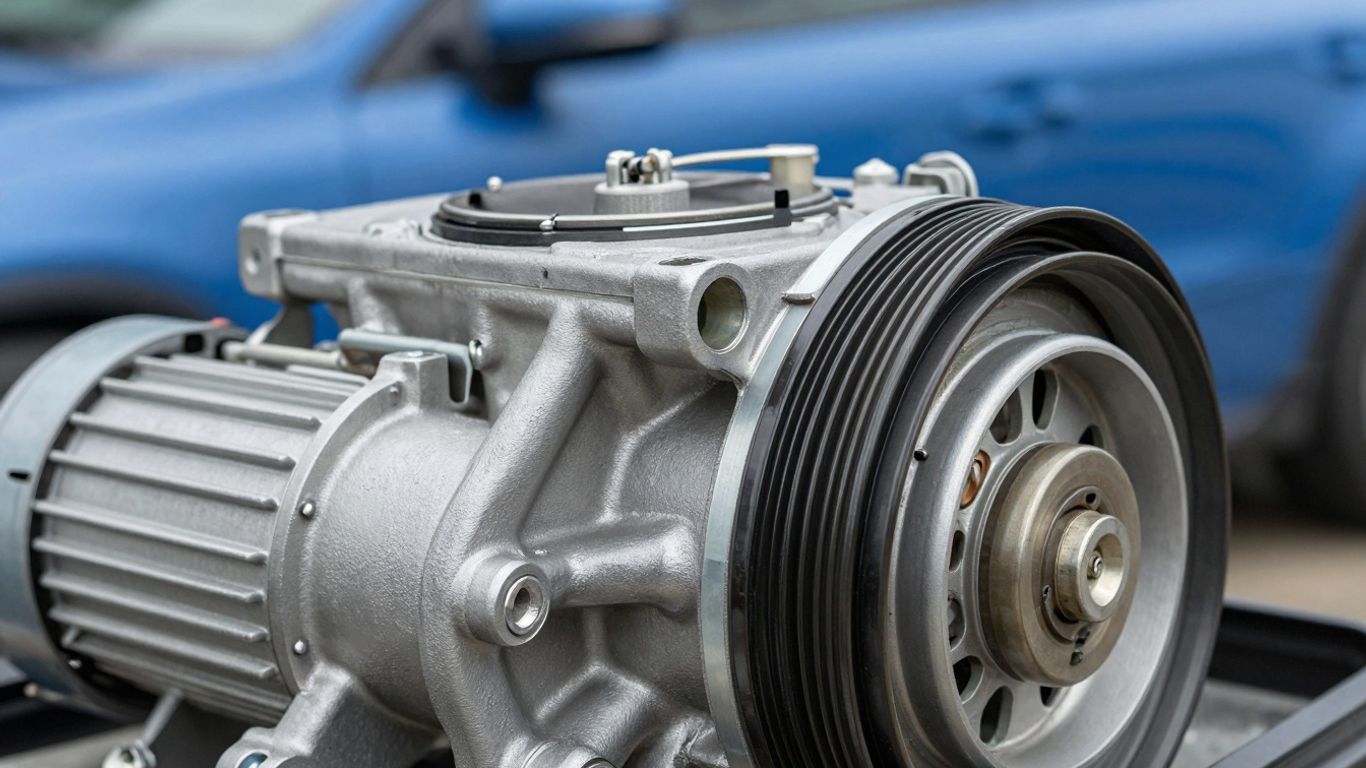
When working on an air conditioning system, whether for a simple recharge or a more complex repair, it is essential to follow precise steps to ensure the system’s longevity and efficiency. These procedures aim to preserve the integrity of the components and ensure optimal operation.
Leak Check Before and After Recharge
Before any work involving opening the circuit, a leak check is a non-negotiable step. This ensures that there are no leaks that could lead to refrigerant loss and contamination by atmospheric moisture. After recharging, a new check is essential to confirm that the operations have not introduced new leaks and that the system is properly sealed. The use of an electronic leak detector is the most reliable method for this check.
Evacuating the System
Once the system has been checked and before proceeding with refilling, it is absolutely necessary to evacuate it. This operation consists of removing air and, above all, any trace of moisture present in the circuit. Moisture is the number one enemy of air conditioning systems, as it can react with the refrigerant and oil, forming corrosive acids and degrading performance. Sufficient vacuum, usually maintained for about 30 minutes, ensures that the system is purged of these contaminants. It is important to ensure that the tools used are clean and dry so as not to reintroduce impurities.
Checking Pressures and Temperatures After Filling
After recharging the system with the exact amount of refrigerant specified by the manufacturer, it is imperative to check the service pressures. Observing the gauges, both on the high-pressure and low-pressure sides, ensures that the system is operating within normal operating ranges. At the same time, the temperature of the air blown from the vents must be measured and compared to the manufacturer’s reference values. These combined measurements provide a clear indication of cooling efficiency and the overall health of the system. Conforming pressure and temperature are signs of a well-recharged and functional system.
Here is a summary table of key points to monitor:
| Parameter to Check |
|---|
| Low-pressure side pressure |
| High-pressure side pressure |
| Blower air temperature |
| Absence of detectable leaks |
It is also recommended to note the date of the intervention on a service label affixed in the engine compartment, in order to keep a record of the maintenance performed.
Diagnosis of Common Malfunctions
Causes of Hot Air Blowing
If your air conditioning system is only blowing hot air, several culprits are possible. A refrigerant leak is a common cause; without the correct amount of fluid, the cooling cycle cannot occur properly. The condenser fan could also be the issue; if it is blocked or faulty, it will not be able to cool the refrigerant effectively. A faulty compressor, which circulates the refrigerant, will also lead to a lack of cold. Finally, electrical problems, such as a blown fuse or damaged wiring, can prevent the system from operating, even if all mechanical components are in good condition. If you notice your car’s air conditioning system losing power, try recharging it with a recharge kit.
Identifying a Refrigerant Leak
A refrigerant leak is often a sign of a deeper problem. Refrigerant losses of 60 to 130 g/year for R134a air conditioners are considered normal. However, a larger loss may indicate a problem. Symptoms include insufficient cooling, unusual noises from the system, or even a chemical smell. It is important to have the system’s integrity checked before any recharge to avoid refilling a system that will quickly lose its refrigerant. Professional inspection is often necessary to precisely locate the leak.
Problems Related to the Condenser Fan
The condenser fan plays a vital role in dissipating the refrigerant’s heat. If it does not function correctly, the refrigerant will not be cooled, leading to hot air being blown. The reasons for its malfunction can be numerous: a burnt-out fan motor, a physical obstruction (leaves, debris) preventing its rotation, or an electrical problem. It is advisable to visually inspect the fan and ensure it rotates freely when the air conditioning system is running. A faulty fan may require replacement to restore proper air conditioning function.
Practical Tips for Maintenance
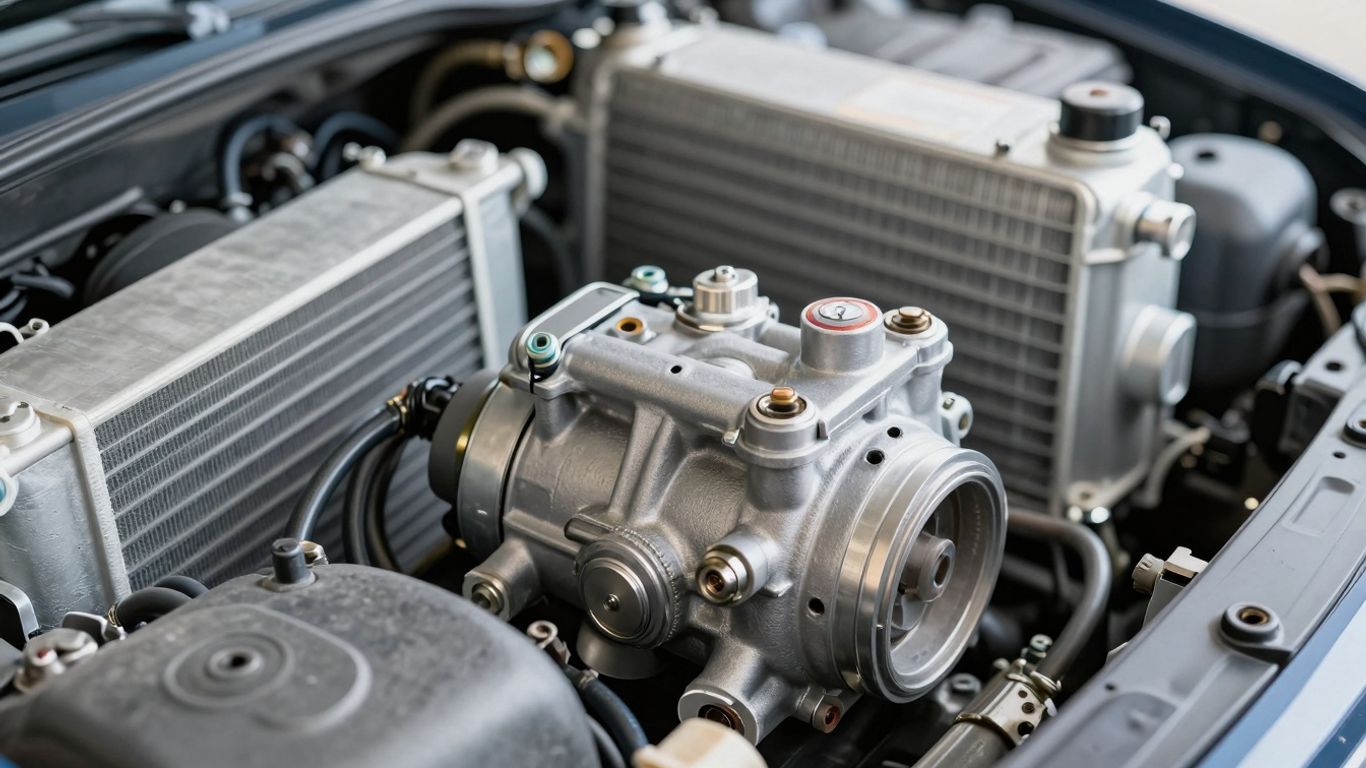
To ensure your air conditioning system continues to operate optimally and provides you with constant comfort, a few simple, regular actions should be adopted. This doesn’t mean becoming a mechanical expert, but rather integrating these good practices into your maintenance routine.
Weekly Use to Maintain Pressure
It is advisable to run your air conditioning system at least once a week, even in winter. This regular use circulates the refrigerant fluid and oil throughout the circuit. This helps prevent seals from drying out and maintains adequate pressure, thereby reducing the risk of long-term leaks. Brief use, for 5 to 10 minutes, is more than sufficient to achieve this goal. Do not neglect this step; it is fundamental for the longevity of your system.
Cleaning or Replacing the Cabin Air Filter
The cabin air filter, also known as the interior filter or pollen filter, plays an important role in the quality of the air you breathe. It traps dust, pollen, and other particles. A clogged filter can reduce airflow, strain the fan, and decrease the efficiency of the air conditioning system. It is generally recommended to replace it every year or every 15,000 to 20,000 kilometres, but always check your manufacturer’s recommendations. Regular replacement ensures healthier air and smoother operation of your air conditioning.
Monitoring for Abnormal Noises and Odours
Be attentive to the signals your air conditioning system might send you. Unusual noises, such as whistling, clicking, or grinding, can indicate a mechanical problem, such as a worn fan bearing or a loose belt. Similarly, unpleasant odours, often musty or sulphurous, can indicate the presence of mould or bacteria in the air circuit or on the evaporator. In these cases, it is best to have your system inspected by a professional to identify and correct the source of the problem before it worsens.
Moisture is the number one enemy of air conditioning systems. It can infiltrate when the circuit is opened and cause corrosion or degrade the refrigeration oil. This is why it is so important to keep the system as sealed as possible and to run it regularly to remove this moisture.
In Conclusion
As you will have understood, your vehicle’s air conditioning system is a complex assembly that requires particular attention. By understanding its components, ensuring its proper functioning, and carrying out regular maintenance, you ensure not only your comfort but also your safety on the road. Remember that simple actions, such as running your air conditioning for a few minutes each week, can prevent more costly problems. If you have any doubts or notice a malfunction, do not hesitate to consult a professional. A well-maintained air conditioning system guarantees more pleasant and safer journeys, whatever the weather conditions.
Frequently Asked Questions
Why is my air conditioning blowing hot air?
Several reasons can explain this. There might be a refrigerant gas leak, meaning the system no longer has enough ‘fuel’ to cool the air. The fan that helps cool the gas in the condenser could be blocked or broken. Sometimes, the compressor itself, which circulates the gas, might have a problem, especially if it hasn’t been used for a long time. An electrical issue, like a loose wire or a blown fuse, can also be the cause.
How can I tell if my air conditioning needs to be recharged?
If you notice that your air conditioning is blowing less strongly or not cooling as well as before, it’s a good sign that it might be low on refrigerant gas. You can check if the compressor engages when the engine is running and the air con is on. If you see that the pressure is low on the recharge tool, it confirms that a recharge is needed.
Is it complicated to recharge the air conditioning gas myself?
Recharging the air conditioning gas yourself is possible with a suitable kit. You just need to be careful. You’ll need to connect the hose to the correct port on the system, monitor the pressure to avoid overfilling, and follow the kit’s instructions precisely. If you’re unsure, it’s best to seek professional help to avoid damaging the system.
What is the difference between manual, temperature-controlled, and automatic air conditioning?
Manual air conditioning requires you to adjust the temperature, fan speed, and where the air comes out yourself. Temperature-controlled air conditioning maintains the temperature you’ve set, but you might need to adjust the fan speed. Fully automatic air conditioning does everything on its own: it maintains the temperature and adjusts the fan speed and air outlet as needed.
Why is it important to maintain my air conditioning regularly?
Regular maintenance helps prevent costly breakdowns. Using the air conditioning a little each week, even in winter, keeps the seals supple and the gas pressurised. Cleaning or replacing the cabin air filter improves air quality and the system’s proper functioning. If you hear strange noises or smell bad odours, it needs to be checked quickly to prevent the problem from worsening.
What are the risks if I don’t pay attention to the components during maintenance?
It is crucial to pay attention. For example, you must always use new seals when disassembling something, as old ones can leak. The desiccant filter must be replaced if the circuit is opened, because if it is saturated with moisture, it can damage the entire system. Furthermore, you must use the correct oil for the compressor, as incompatible oil can cause significant damage.
