
Faced with intensifying heat, it’s natural to look for ways to keep your space pleasant. Cooling our homes and workplaces has become a major concern. Fortunately, there are several methods, from the simplest to the most sophisticated, to combat overheating. This article explores different approaches, from natural tips to advanced technologies, to help you find the cooling solution that best suits your needs.
Key Takeaways
- Passive cooling uses natural principles like ventilation and shading to reduce temperature without consuming much energy.
- Good architectural design, including insulating materials and solar protection, is fundamental to limiting indoor heat.
- Active cooling systems, while effective, involve higher energy consumption and costs, as well as environmental impact.
- Passive solar cooling represents a promising ecological alternative, harnessing solar energy for cooling.
- Innovations such as phase-change materials and home automation offer new possibilities for intelligent and optimised cooling.
Understanding the Principles of Passive Cooling
Passive cooling is a bit like letting nature do the work for you. It involves managing heat without resorting to fans, pumps, or compressors. It relies on simple physical principles to dissipate heat from a space or device. This approach is gaining popularity, especially when looking to reduce energy consumption and ecological footprint.
The Foundations of Passive Cooling and Its Advantages
At the heart of passive cooling are three natural mechanisms: conduction, convection, and radiation. Conduction is the transfer of heat through a material. Convection is the movement of air or fluid that carries heat. Radiation is the emission of heat in the form of waves. By understanding how these phenomena work, systems can be designed to dissipate heat efficiently without consuming electricity. The absence of moving parts is a major advantage, meaning less noise, less maintenance, and increased reliability. Think of a heat sink on an electronic component: it uses fins to increase its surface area and facilitate heat dissipation through natural convection. It’s a simple but telling example of passive cooling in action. The benefits are numerous: complete silence, zero energy consumption for the cooling process itself, and a longer lifespan for components thanks to better thermal management. It’s a particularly interesting solution for devices where noise is an issue or for environments where access to electricity is limited. It can even find applications in architecture, such as stack ventilation, which uses the natural rise of warm air to expel heat from a building.
Harnessing Natural Resources to Limit Overheating
To limit overheating, passive cooling employs smart strategies that leverage the environment. One of the most direct methods is using natural convection. This involves creating strategic openings in a building or enclosure to allow warm air to escape from the top, while cooler air enters from the bottom. This is the principle of stack or draft ventilation. One can also consider the orientation of buildings to minimise direct sun exposure during the hottest hours, or use materials that reflect sunlight rather than absorbing it. In electronics, this translates to designing enclosures with well-placed vents or using materials that conduct heat well to direct it outwards. The idea is to work with existing air flows and temperature differences to create natural movement that carries away unwanted heat. This approach requires a good understanding of thermal flows and air circulation, but it can be very effective.
Natural Ventilation and Solar Protection: Essential Levers
Natural ventilation is arguably one of the cornerstones of passive cooling. It allows for the renewal of indoor air and the expulsion of accumulated heat, simply through differences in pressure and temperature. This can be encouraged through architectural design, by creating cross-ventilation openings or using thermal draft effects. At the same time, solar protection plays an equally important role. It involves blocking solar radiation before it reaches interior surfaces and heats them up. This can be achieved through external devices such as awnings, sunshades, or shutters, as well as integrated solutions like solar control glazing. The objective is twofold: to prevent heat from entering and to facilitate its expulsion. These two strategies, when well-designed and combined, can significantly reduce the need for active air conditioning, even on the hottest days. It’s a smart way to maintain thermal comfort while preserving the environment and your wallet. For example, in buildings, good natural ventilation can be complemented by effective solar protection to maintain a pleasant temperature without resorting to energy-intensive systems. For more technical applications, such as cooling electronic components, enclosures can be designed to maximise natural airflow and use heat-reflective materials. The principle of compression is entirely different and relates to active systems.
Optimising Architectural Design for Cooling
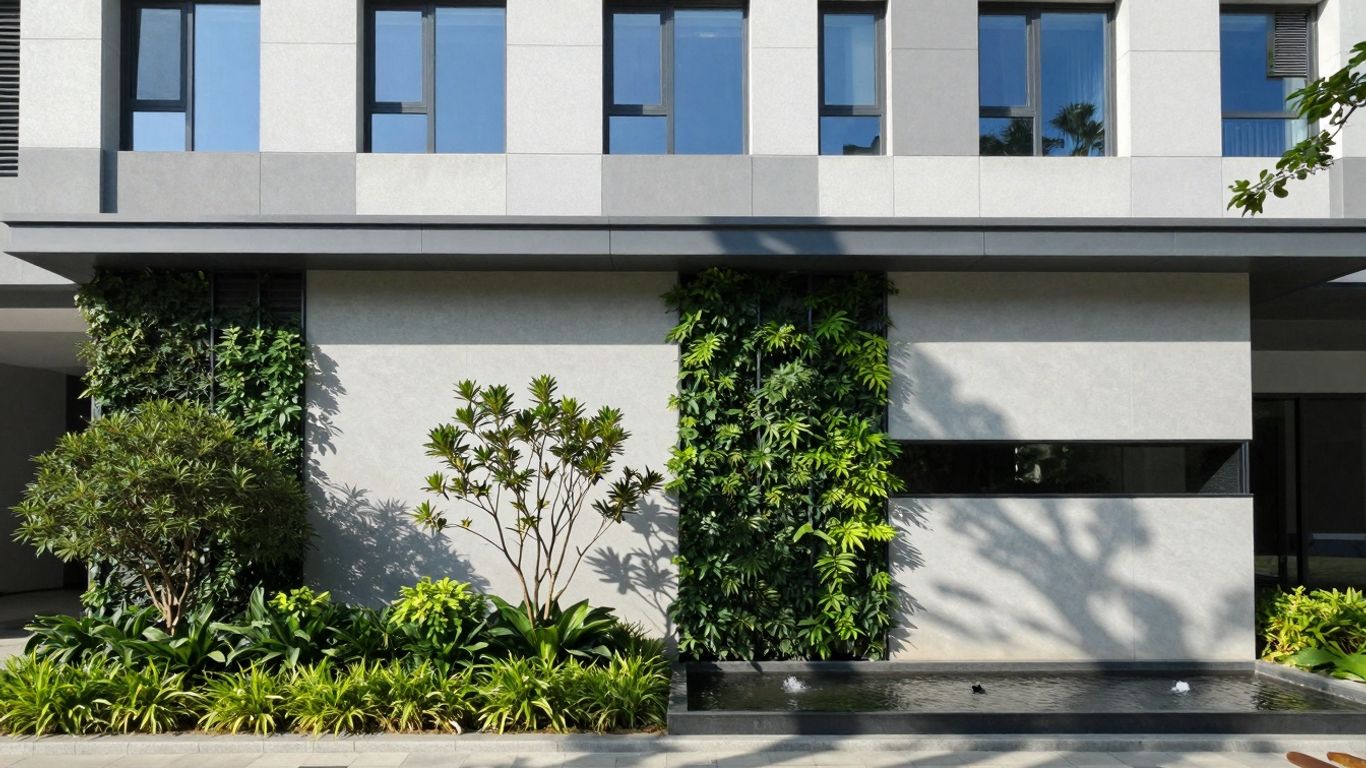
To truly limit heat in a building, it’s not enough to think about materials or systems. The way you design the building from the outset is super important. This is where you can really make a difference, even before thinking about turning on a fan or air conditioning.
Choosing Materials with High Thermal Inertia
The idea here is to use materials that can store coolness. Think of concrete, stone, or solid brick walls. These materials have what’s called ‘thermal inertia’. Basically, they take time to heat up and, more importantly, they take time to cool down. So, during the day, when the sun is beating down, they absorb heat without the indoor temperature rising too quickly. And at night, when it’s cooler outside, they release this stored coolness, helping to maintain a pleasant temperature. It’s like a thermal battery for your home. You just need to make sure these materials aren’t completely covered by insulation, otherwise their ability to store and release heat is blocked. Exposed concrete slabs or certain interior walls left bare are good examples of implementing this inertia.
Integrating Effective Solar Protection Solutions
The sun is nice, but when it shines directly on windows, it turns your interior into an oven. So, you need to think about protection. This can be roof overhangs, canopies above windows, or sunshades. These elements create shade during the times when the sun is strongest, usually in summer. Adjustable sunshades are particularly interesting because you can adjust their angle to let in light when you need it, while blocking direct heat. Solar control glazing is also an option. It’s designed to reflect some of the solar radiation while letting visible light pass through. It’s a way to reduce heat gain without plunging the room into darkness. Let’s not forget vegetation either: planting trees or installing trellises with climbing plants in front of the most exposed facades can make a huge difference. The shade they cast and the evapotranspiration of the plants cool the surrounding air.
Managing Night Ventilation to Expel Heat
When the outside temperature drops in the evening, you need to take advantage of it to expel the heat accumulated in the building during the day. This is called night ventilation. The idea is to create air currents to drive out the hot air and replace it with cooler air. For this to work well, you need to be able to open windows or openings on both sides of the building, if possible, so that air can circulate freely. Motorised roof windows can be very useful for this, especially on upper floors where heat tends to accumulate. By opening these windows at night, you allow the building’s thermal mass (walls, slabs) to cool down. The next morning, when the sun rises, the building will already be cooler, and it will take longer to heat up. This is a key step in reducing reliance on air conditioning systems.
Architectural design is the first line of defence against summer overheating. By judiciously integrating material inertia, appropriate solar protection, and an effective night ventilation strategy, you create a more comfortable indoor environment and significantly reduce the need for active air conditioning.
Here’s a small table to summarise materials and their roles:
| Material/Solution |
|—|—|
| Concrete, stone, solid brick | High thermal inertia, stores coolness |
| Sunshades, canopies, roof overhangs | Create shade, block direct sun |
| Solar control glazing | Reduces solar gain while allowing light |
| Vegetation (trees, climbing plants) | Natural shading, cooling by evapotranspiration |
| Cross-ventilation openings (windows, skylights) | Allow night ventilation and air circulation |
Exploring Active Cooling Solutions
When faced with greater cooling needs or sudden heatwaves, active cooling solutions come into play. Unlike passive approaches that rely on nature, active cooling uses mechanical components to actively dissipate heat. It’s a dynamic method, often necessary when simple natural dissipation is no longer sufficient.
How Traditional Air Conditioning Systems Work
Traditional air conditioning systems, which you may be familiar with, operate on a thermodynamic cycle principle. They use a refrigerant that circulates in a closed loop. This refrigerant changes state (liquid/gas) to absorb heat from an area and release it outside. This process typically involves a compressor, condenser, expansion valve, and evaporator, each playing a specific role in heat transfer. The efficiency of these systems lies in their ability to rapidly lower the ambient temperature, even in high heat. They are particularly useful for buildings or equipment that generate a lot of internal heat, such as data centres or industrial equipment.
Energy and Environmental Costs of Active Cooling
While very effective, active cooling systems have a downside: their energy consumption. The use of compressors, fans, and pumps requires a significant amount of electricity. This translates into higher energy bills and, consequently, a greater environmental impact, especially if the electricity comes from non-renewable sources. It is therefore important to consider energy efficiency when choosing an active system. Solutions like mobile air conditioners can offer a more economical and ecological alternative for occasional needs.
Responsiveness and Capacity for Managing High Thermal Loads
One of the main advantages of active cooling is its responsiveness. When the temperature rises rapidly or the thermal load is significant, these systems can intervene quickly to restore comfortable conditions. They are designed to handle significant temperature variations and maintain thermal stability, which is essential for the proper functioning of many electronic components or industrial machinery. Here are some examples of applications where active cooling is preferred:
- Computer servers and data centres: The heat generated by processors and other components requires constant and powerful cooling.
- Industrial equipment: Production machinery, lasers, or welding systems generate intense heat that must be dissipated to prevent damage.
- Vehicles: Engine and battery cooling is essential for performance and safety.
Active cooling, although energy-intensive, offers a reliable solution for precisely controlling temperature in demanding environments. It helps maintain optimal performance and extends the lifespan of heat-sensitive equipment, but it requires careful attention to its consumption and regular maintenance to ensure long-term effectiveness.
Passive Solar Cooling: A Sustainable Alternative
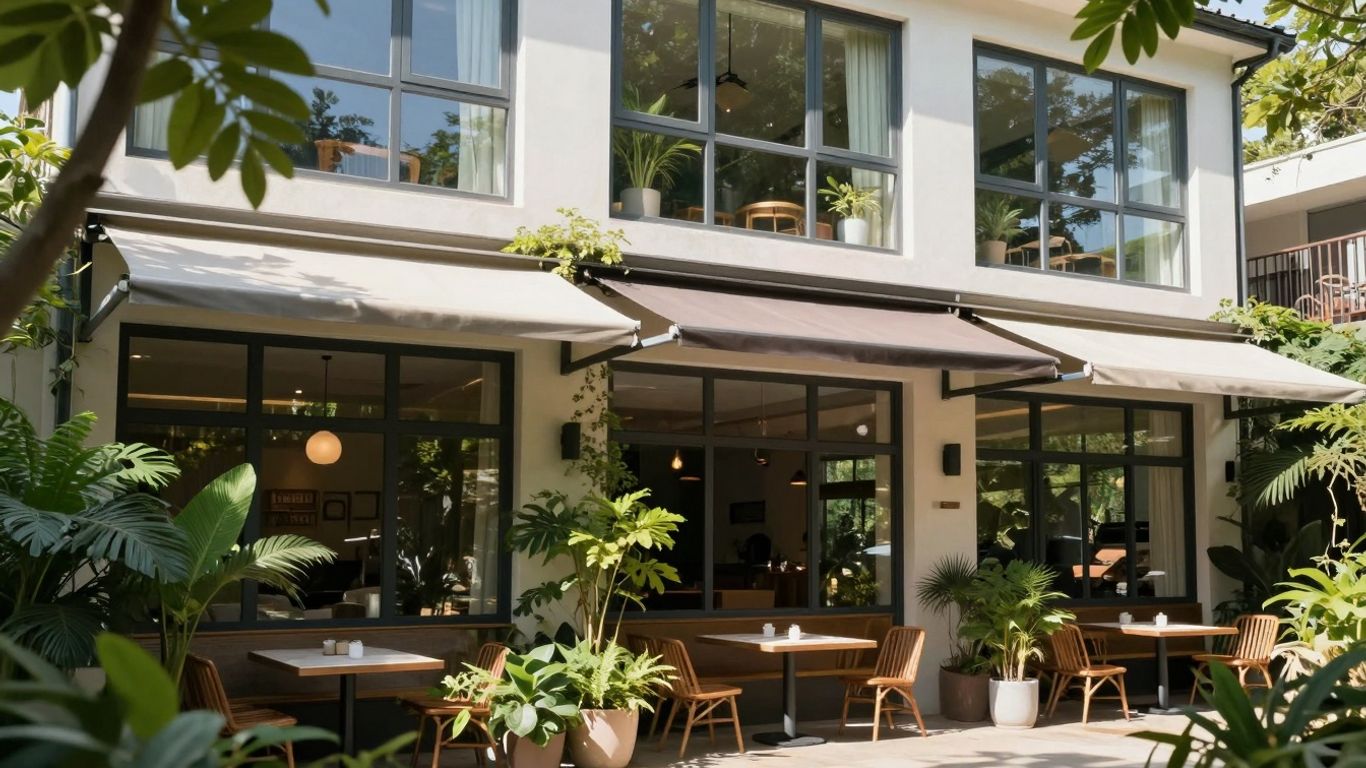
With rising temperatures, exploring cooling methods that respect our environment is becoming a priority. Passive solar cooling presents itself as a promising solution, harnessing solar energy to create a cooler indoor environment without relying on conventional air conditioning systems. This approach is based on simple physical principles and innovative technologies to reduce heat without consuming electricity or consuming very little.
Principles and Technologies of Passive Solar Cooling
The fundamental principle of passive solar cooling is to use solar energy to cool a space. This can be done in several ways. One method involves using materials that reflect solar radiation before it reaches the building, such as white roof coatings or external screens. Another approach utilises evaporation: water, as it evaporates, absorbs heat, which cools the surrounding air. Systems can incorporate solar-powered evaporative cooling towers to naturally ventilate buildings. Phase-change materials (PCMs) also play a role, as they can store coolness during the night and release it during the day, helping to stabilise indoor temperatures. The goal is to capture, reflect, or transform solar heat in a way that prevents its accumulation indoors.
Potential Residential and Industrial Applications
In the residential sector, passive solar cooling can involve installing external solar protection, such as shutters, blinds, or sunshades, which block the sun before it enters through the windows. The use of solar control glazing and green roofs also helps reduce heat gain. For industrial applications, this technology can be used for storing temperature-sensitive products, food preservation in areas with limited electricity access, or for cooling certain manufacturing processes. More complex systems, combining absorption refrigeration cycles powered by solar thermal collectors, are also being developed for larger-scale needs.
Ecological Advantages and Limitations of This Approach
The ecological advantages of passive solar cooling are considerable. It significantly reduces energy consumption, thereby lowering greenhouse gas emissions associated with electricity production for air conditioning. Furthermore, it helps mitigate the urban heat island effect by reducing the heat rejected by traditional air conditioning systems. However, this approach also has limitations. Its effectiveness depends heavily on sunshine and local climatic conditions. The initial investment for some systems may be higher than for conventional solutions, although operating costs are very low. Architectural integration may also require careful planning to optimise performance.
The adoption of passive solar cooling represents a step towards more autonomous and environmentally friendly thermal management, transforming solar radiation, often perceived as an excessive source of heat, into an ally for indoor comfort.
Innovations and Smart Materials for Thermal Comfort
Faced with the growing challenges of climate change and the need to reduce our energy consumption, the construction sector is actively exploring innovative solutions to ensure optimal thermal comfort. These technological advancements aim to make our buildings more adaptable and less dependent on traditional air conditioning systems.
Phase-Change Materials for Thermal Storage
Phase-change materials (PCMs) represent a significant advancement in heat management. These substances have the unique ability to absorb or release large amounts of thermal energy during their transition from one physical state to another (e.g., solid to liquid). Integrated into walls, ceilings, or even floors, they can store excess heat during the day and release it when the temperature drops, thus helping to smooth out indoor temperature variations. This passive thermal storage capacity greatly contributes to reducing heating and cooling needs. Companies like Isoltop are developing solutions incorporating these materials for easier application in construction and renovation projects.
Adaptive Glazing and Solar Transmission Control
Glazed surfaces are often weak points in terms of heat gain. Innovations in glazing aim to better control the amount of solar radiation that penetrates indoors. This includes solar control glazing, such as those offered by Saint-Gobain, which reflect some solar rays, or electrochromic glazing that can change tint under the effect of an electric current. These technologies reduce heat gain in summer while maintaining good natural light, improving visual comfort and reducing the need for permanent external solar protection. The integration of such glazing is a key step towards successful bioclimatic design.
Home Automation for Optimised Cooling Management
Home automation plays an increasingly important role in optimising thermal comfort. Building management systems (BMS) allow for the centralised and automated control of various equipment. For cooling, this can translate into intelligent ventilation management (automated opening and closing of windows for night ventilation), control of solar protection (blinds, roller shutters) based on sunlight and indoor temperature, or fine-tuning of active cooling systems when their use is unavoidable. Retailers like Leroy Merlin offer accessible home automation solutions for equipping homes.
These innovations, whether intelligent materials or automated control systems, pave the way for more efficient and environmentally friendly buildings. They are part of a global approach to improving living comfort while minimising our ecological footprint, an approach increasingly supported by initiatives such as adapting mobility.
Here is an overview of the expected benefits:
- Significant reduction in cooling-related energy consumption.
- Improved indoor thermal comfort, even during periods of high heat.
- Reduced environmental impact of buildings.
- Potential for integration into renovation projects to modernise housing.
The adoption of these intelligent technologies is not limited to installing equipment; it involves thoughtful design that anticipates thermal needs and makes the best use of available natural resources. The synergy between innovative materials and automated control systems is the key to efficient and sustainable cooling.
Comparing Approaches: Active, Passive, and Hybrid
Fundamental Differences in Heat Management
When you’re looking to cool a space, you have several strategies to choose from. Active cooling is a bit like using a fan or an air conditioner. It relies on machines that consume electricity to move heat out of your building. Think compressors, fans, pumps: anything that moves and makes noise to keep you cool. It’s effective, especially when it’s very hot or you have a lot of heat sources to manage, like in a data centre or a kitchen.
Conversely, passive cooling uses nature itself. It exploits principles like natural ventilation, the thermal inertia of materials, shading, or evaporation. The idea is to limit heat entry and let heat escape without needing a constant power supply. It’s a gentler approach, which depends heavily on the building’s design and external conditions. It aims to reduce the need for active cooling, or even eliminate it entirely.
Finally, there are hybrid approaches. They combine the best of both worlds. For example, you might have good insulation and natural ventilation for most of the time, but use an active system during heatwaves or when you need very precise temperature control. This is often a compromise solution to optimise both comfort and energy consumption.
Energy Balance, Maintenance, and Noise Level
Comparing these methods means looking at several important aspects. On the energy front, active cooling is a big consumer. Electricity is needed to run the machines, which translates into higher bills and a greater environmental impact, especially if the electricity is not from renewable sources.
Passive cooling, on the other hand, consumes very little, if any, energy. Its energy cost is therefore negligible. However, its effectiveness can vary. If conditions are not ideal (no wind, strong direct sunlight), it may struggle to maintain a comfortable temperature.
Maintenance is also a point of divergence. Active systems, with their mechanical parts, require regular maintenance: cleaning filters, checking circuits, etc. This is an additional cost and constraint. Passive systems, on the other hand, generally require little maintenance, often limited to occasional checks or maintenance of shading elements, for example.
And the noise? Active systems can be noisy due to fans and compressors. This can be bothersome, especially in living spaces. Passive solutions are, by nature, silent. They have no noisy moving parts.
Here’s a table to summarise:
| Characteristic | Active Cooling | Passive Cooling |
|---|---|---|
| Energy Consumption | High | Very low to none |
| Maintenance | Regular and necessary | Minimal |
| Noise Level | Can be noisy | Silent |
| Responsiveness | Fast, precise control | Slow, depends on external conditions |
| Environmental Impact | Significant (consumption, refrigerants) | Low |
Choosing the Right Method for Specific Needs
The choice between these different approaches will depend on several factors specific to your situation. First, you need to assess the thermal load to be managed. A small office with few occupants will not have the same needs as a large industrial building or a home with many electronic devices.
The external environment plays a major role. If you live in a region with a lot of wind and cool nights, passive cooling will be very effective. If your climate is very hot and humid, you may need active support.
Your priorities are also important. Are you primarily looking to reduce your electricity bills and your environmental footprint? Passive is an excellent avenue. Do you need constant thermal comfort and maximum responsiveness, regardless of conditions? Active, or a well-thought-out hybrid approach, may be more appropriate.
It is often wise to start by maximising passive solutions. Good architectural design, effective insulation, and efficient solar protection can significantly reduce the need for active cooling. Then, smaller, less energy-intensive active systems, or hybrid solutions, can be considered to supplement the setup and ensure comfort in all circumstances.
In summary, there is no single solution. It’s about understanding the strengths and weaknesses of each method to build a cooling system that best meets your needs, your budget, and your environmental goals.
Conclusion: A Cooler, Simpler Future
Ultimately, it’s clear that to keep our homes pleasant when it’s hot, we have choices. Active systems like air conditioning work quickly, that’s for sure. But they consume a lot of energy and can be expensive in the long run. Passive solutions use what nature gives us: shade, wind, materials that keep cool. It’s gentler on the planet and on our wallets in the long term. Thinking about these methods is a step towards simpler, more economical, and above all, more environmentally friendly housing. It’s an approach that makes sense, especially with the changing climate.
Frequently Asked Questions about Cooling
What is the main difference between passive cooling and active cooling?
Passive cooling uses natural things, like circulating air or shade from trees, to keep your home cool without using much electricity. Active cooling, like air conditioning, uses machines that consume energy to lower the temperature.
What materials help keep my home cool in the summer?
To keep cool effectively, you need materials that store heat during the day and release it at night, like thick stone or concrete. Insulation like rock wool also helps prevent heat from entering.
How can I use the sun to cool my home without air conditioning?
You can use solar protection, like external blinds or shutters, to prevent the sun from heating your windows. Planting trees in front of your house can also create shade.
Is passive solar cooling a good idea for everyone?
It’s an excellent idea if there’s plenty of sunshine! It works well for houses or small spaces. For very large buildings, it’s still developing, but it’s becoming more and more effective.
Can I combine natural methods with technology to cool my home better?
Absolutely! Home automation can help open windows at the right time for night ventilation or automatically adjust solar protection. This makes passive cooling even more efficient.
What are the benefits of choosing passive solutions over air conditioning?
By choosing passive, you spend less money on electricity, you help the planet by polluting less, and your home stays cool in a gentler, more consistent way. It’s more sustainable comfort.
