
Are you considering installing an air conditioning system to improve your thermal comfort? That’s an excellent idea, especially with increasingly hot summers. But with the multitude of systems available, how do you navigate them? Between the different types, purchase and running costs, and energy performance, the choice can seem complex. This article is here to guide you, covering all the essential aspects to help you make the best choice for your home and your budget.
Key Points to Remember About Air Conditioning
- Understanding the different types of air conditioning systems, such as monobloc, split, reversible, ducted, console, and portable units, is the first step to choosing the one that meets your needs.
- The cost of an air conditioning installation isn’t limited to the purchase; you also need to consider running costs, maintenance fees, and compare the total cost over the lifespan of the appliances.
- Energy efficiency, measured by indices like SEER and SCOP, as well as energy classes, is crucial for reducing your electricity bill and your environmental impact.
- Adapting the system to the area to be air-conditioned, your specific needs (cooling only or reversible), and noise constraints is essential for optimal comfort.
- Prioritising the performance and certified quality of appliances, rather than just the installation price, guarantees better comfort, greater durability, and a reduced total cost of ownership.
Understanding the Different Air Conditioning Systems
Monobloc and Split Units
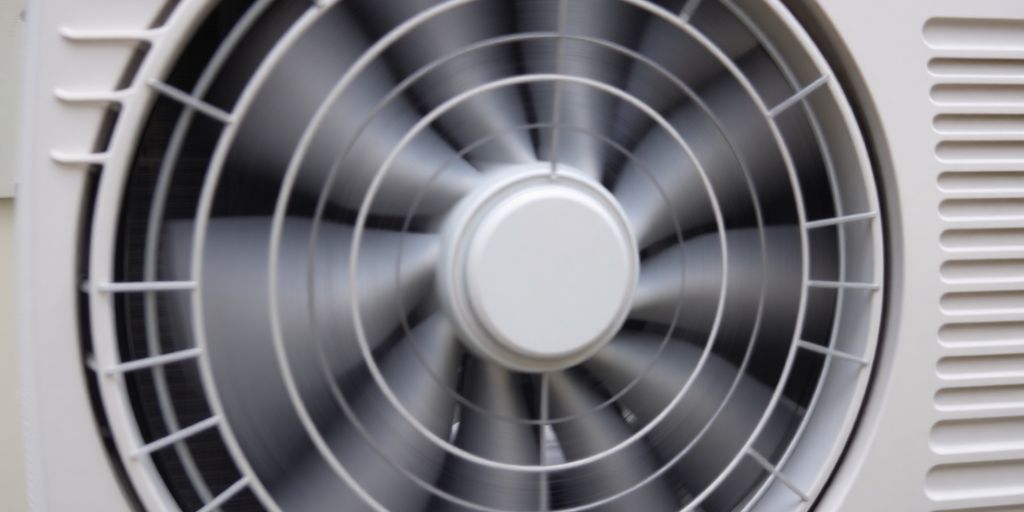
To begin, it’s important to distinguish between the two main families of air conditioning systems: monobloc units and split systems. Monobloc units are all-in-one appliances, combining the compressor, condenser, and evaporator in a single casing. They are often more affordable and simpler to install, making them a popular solution for small rooms or as a supplementary option. However, they can be noisier and less effective at cooling large spaces. Split systems, on the other hand, consist of an indoor unit (the evaporator) and an outdoor unit (the condenser and compressor), connected by refrigerant pipes. This separation helps reduce noise in the room being air-conditioned and offers greater installation flexibility. Split systems come in monosplit versions (one indoor unit for one room) or multisplit versions (multiple indoor units connected to a single outdoor unit), making them suitable for air conditioning several rooms.
Reversible and Ducted Systems
Beyond the monobloc/split distinction, you need to consider reversible functionality and the type of installation. So-called ‘reversible’ systems, often based on the air-to-air heat pump principle, have the particularity of being able to heat in winter and cool in summer. This is a versatile solution that can replace a supplementary heating system and offer year-round thermal comfort. In terms of installation, ducted systems represent a more discreet and integrated option. They consist of a network of ducts concealed within false ceilings or walls, which distribute conditioned air to different rooms via grilles. This solution is particularly valued for its clean aesthetic and its ability to distribute air homogeneously, but it requires a more complex and costly installation, often planned during construction or a major renovation. It is essential to carefully plan the integration of these ducts to optimise air distribution and minimise pressure losses.
Console and Portable Units
Finally, for more specific or temporary needs, you can turn to console and portable units. Console units are indoor units typically fixed low on a wall, much like a radiator, and are often used in split or multisplit systems. They offer good air distribution and can be more aesthetically pleasing for some interiors. Portable units, on the other hand, are the most accessible and flexible solution. They do not require fixed installation and can be moved from one room to another. They consist of a single block with a hot air exhaust hose that needs to be routed through a window or door. While practical for occasional use, their efficiency is generally lower than that of fixed systems, and they can be noisier. It’s important to note that for optimal management of your thermal comfort and home network, the integration of these systems can be part of a home automation approach, allowing, for example, remote temperature control via apps, much like managing lighting or home security home network management.
The choice of air conditioning system will depend on your specific needs, the configuration of your home, and your budget. It is often recommended to consult a professional to assess the necessary power and choose the most suitable technology for your situation.
Assessing the Cost of an Air Conditioning Installation
Acquiring an air conditioning system represents a significant investment. It is therefore crucial to assess the overall cost, which is not limited to the initial purchase price. Several factors come into play to determine the total budget to plan for.
Analysis of Purchase and Installation Budgets
The purchase cost of an air conditioner varies considerably depending on the type of system. An entry-level monobloc portable air conditioner can cost a few hundred euros, while a sophisticated reversible multisplit system can reach several thousand euros. Installation also represents a significant portion of the budget. Split systems, for example, require the intervention of a professional for the installation of indoor and outdoor units, as well as for refrigerant and electrical connections. Ducted systems or consoles may require more extensive work, directly influencing the overall cost. It is advisable to request several quotes to compare offers and ensure the quality of the installation.
Impact of Running and Maintenance Costs
Beyond the initial investment, recurring expenses must be considered. Running costs are directly linked to the appliance’s electricity consumption. The most efficient systems, particularly those equipped with Inverter technology (variable speed compressor), are generally more energy-efficient. Regular maintenance is also an expense not to be overlooked. It ensures the proper functioning of the appliance, preserves its energy efficiency, and extends its lifespan. Annual maintenance, including filter cleaning and refrigerant circuit checks, is recommended.
Economic Comparison of Technologies
To make an informed choice, an economic comparison of different technologies is essential. While monobloc portable air conditioners are inexpensive to purchase, their electricity consumption can quickly make their use costly. Split systems, although more expensive to acquire, offer better energy efficiency and reduced running costs in the long term. Reversible systems, which provide both heating and cooling, represent a more significant investment but can generate substantial savings by replacing a traditional heating system. Home automation integration can also optimise the management of your air conditioning system and reduce your energy consumption, as offered by renowned brands in the field of home automation.
It is often wiser to prioritise an efficient and energy-saving system, even if its initial cost is higher. The savings made on electricity bills and reduced maintenance costs over the appliance’s lifespan generally offset the larger initial investment. A certified, high-quality appliance guarantees better reliability and increased customer satisfaction in the long term.
Analysing the Energy Performance of Systems
Understanding SEER and SCOP Ratings
To assess the energy performance of your air conditioning system, it is essential to understand two key ratings: SEER (Seasonal Energy Efficiency Ratio) and SCOP (Seasonal Coefficient Of Performance). SEER measures the energy efficiency of an appliance in cooling mode over a season. The higher this figure, the more efficient the appliance is at cooling. SCOP, on the other hand, evaluates efficiency in heating mode over a season. A high SCOP means the appliance consumes less energy to produce heat. These two indicators allow you to objectively compare the electricity consumption of different models.
The Importance of Energy Classes
Energy classes, ranging from A to G (sometimes with ‘+’ signs), provide a quick overview of an appliance’s overall efficiency. They take into account various technical aspects to offer a clear indication to consumers. Choosing an appliance with a higher energy class, such as A+++, ensures lower energy consumption, which translates into savings on your bills and a reduced environmental impact. It’s a simple way to make an informed choice for your comfort and the planet.
The Advantages of Variable Speed Compressors
Systems equipped with variable speed compressors, often referred to as Inverter technology, offer a significant advantage in terms of energy performance. Unlike traditional systems that constantly start and stop, these compressors adjust their power according to the actual needs of the room. This helps maintain a more stable temperature, avoid electricity consumption peaks, and reduce noise. By continuously adapting their operation, they achieve substantial energy savings, potentially reaching 20 to 30% compared to classic systems.
The use of precise and verified performance data is paramount. Inaccurate information can lead to oversized or undersized systems, resulting in excessive energy consumption, inadequate thermal comfort, and premature equipment wear. It is therefore recommended to rely on recognised certifications to guarantee the reliability of technical specifications.
To ensure the reliability of the advertised performance, favour appliances certified by independent bodies such as Eurovent. This certification attests to the appliances’ compliance with European standards and guarantees that the data provided by manufacturers are accurate and comparable. You can consult certified air conditioners to make an informed choice.
Choosing the Most Suitable Air Conditioning System
Defining Your Thermal Comfort Needs
Before embarking on the purchase of an air conditioning system, it is crucial to clearly define your expectations in terms of comfort. Ask yourself the right questions: are you looking for a solution for occasional use during heatwaves, or more regular use throughout the year? Do you only want to cool your interior, or do you also need to heat in winter, purify the air, or dehumidify? Reversible systems, for example, offer this versatility, allowing you to heat and cool with a single appliance. It is important to consider all your needs to guide your choice towards the most suitable technology. Also think about indoor air quality, an often-overlooked but essential aspect for your well-being.
Adapting the System to the Area to be Air-Conditioned
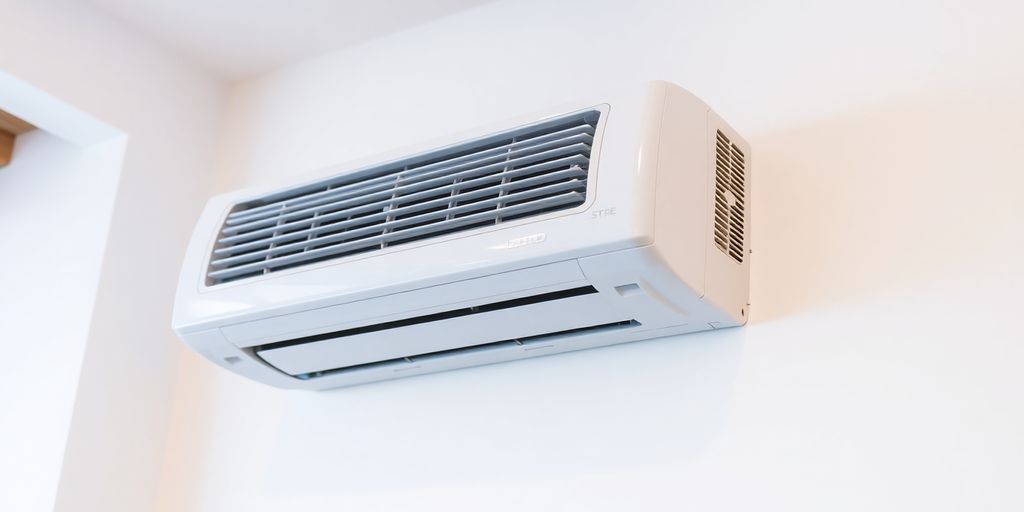
The size of your home is a determining factor. A small flat will not have the same needs as a large multi-storey house. For a single room or a small space, a portable air conditioner or a wall-mounted (split) unit may suffice. If you wish to air-condition several rooms or a large area, a multisplit system or a ducted system might be more appropriate. Central systems, although more expensive to install, are ideal for very large properties. It is essential to correctly size the appliance’s power relative to the area to be covered to ensure optimal efficiency and avoid excessive electricity consumption. Do not hesitate to consult a professional for a precise diagnosis of your air conditioning power needs.
Considerations Regarding Noise Levels
The noise generated by an air conditioning system can quickly become a nuisance, especially in bedrooms or living areas. Outdoor units, although generally noisier, are designed to be installed outside. However, it is important to check their noise level so as not to disturb your neighbours. Indoor units also vary in terms of discretion. Wall-mounted split systems are often quieter than portable units or consoles. If silence is an absolute priority, opt for models known for their low noise emission, often indicated by a low decibel (dB) rating. Ducted systems, once installed, are particularly discreet.
Choosing an air conditioning system should not be taken lightly. It is an investment that will impact your daily comfort and energy bills for many years. A thorough analysis of your needs, your home’s configuration, and your budget will allow you to make the most judicious choice. Don’t forget to consider the energy efficiency and overall performance of the appliance, as indicated by the SEER and SCOP ratings.
To help you with your decision, here is a simplified comparative table of the most common system types:
| System Type | Ideal for | Advantages | Disadvantages |
|---|---|---|---|
| Portable Monobloc | Occasional use, small rooms | Ease of installation, portability | Less efficient, noisier |
| Wall-mounted Split | Living rooms, bedrooms | Efficiency, discreet indoor unit | More complex installation |
| Multisplit | Multiple rooms | Personalised comfort | Higher installation cost |
| Ducted | Large areas, houses | Total discretion, homogeneous comfort | Complex installation, false ceiling required |
| Reversible (air-to-air heat pump) | Year-round use (heating/cooling) | Energy savings, versatility | Higher initial cost |
The Environmental Impact of Air Conditioning
Eco-friendly Air Conditioning Solutions
Given the climate emergency, the choice of an air conditioning system can no longer ignore its ecological footprint. Fortunately, more environmentally friendly alternatives exist. Reversible air conditioning, operating on the principle of an air-to-air heat pump, stands out particularly. It captures calories present in the outdoor air to heat or cool your interior, thus producing more energy than it consumes. This technology, which uses renewable energy, is an interesting option for reducing your environmental impact. Furthermore, its dual heating and cooling function makes it useful throughout the year, optimising its performance-cost ratio.
Energy Efficiency for the Environment
Energy efficiency is directly linked to the environmental impact of your air conditioning system. A less efficient appliance will consume more electricity, resulting in a higher bill and a larger carbon footprint. It is therefore crucial to consider the SEER (Seasonal Energy Efficiency Ratio) ratings for cooling mode and SCOP (Seasonal Coefficient Of Performance) for heating mode. These indicators give you an idea of the appliance’s actual consumption over a season. Choosing an appliance with good SEER and SCOP ratings, often associated with an A++ or A+++ energy class, is a wise investment for your wallet and for the planet. This also contributes to the fight against the urban heat island effect, a phenomenon where air conditioning can paradoxically increase ambient temperatures in cities [f071].
Market Evolution Forecasts
The air conditioning market is undergoing significant change, with growing demand due to global warming. Forecasts indicate a significant increase in the number of installed appliances by 2050. Faced with this trend, manufacturers are increasingly driven to innovate and offer more eco-friendly and energy-efficient solutions. The rise of smart and connected technologies, such as those offered by platforms dedicated to smart homes [5690], also allows for better consumption management. These systems can adapt to your habits and optimise the operation of your air conditioning to reduce energy waste. It is therefore advisable to opt for appliances compatible with these new technologies for a sustainable and efficient solution.
Selection Criteria for High-Performance Air Conditioning
To make an informed choice regarding your air conditioning system, it is essential to consider several key factors that go beyond the simple purchase cost. Prioritising performance and energy efficiency from the outset will guarantee optimal comfort and long-term savings. Ignoring these aspects can lead to unforeseen expenses and general dissatisfaction.
Prioritising Performance Over Initial Installation Cost
It is tempting to choose a cheaper system to install, but this approach can prove costly in use. A less efficient appliance will consume more energy, increasing your electricity bills. Furthermore, it might not offer the expected level of comfort, requiring prolonged operation or unsuitable power. Think of energy efficiency as an investment that pays for itself over time. A well-chosen system, even with a slightly higher initial cost, will bring you greater satisfaction and reduce your ecological footprint.
The Importance of Appliance Certification
When examining the different options, pay attention to certifications and energy labels. These guarantees attest that the performance advertised by the manufacturer has been verified by independent bodies. Ratings like SEER (Seasonal Energy Efficiency Ratio) for cooling mode and SCOP (Seasonal Coefficient Of Performance) for heating mode give you a precise idea of the appliance’s efficiency under real-world operating conditions. A certified appliance ensures better reliability and controlled energy consumption. You can find certified air conditioners from various suppliers.
The Risks Associated with Inferior Quality Products
Opting for inferior quality products might seem like a good deal initially, but the consequences can be unpleasant. An undersized system will not be able to cool or heat your space correctly, while an oversized system will waste energy and be noisy. These appliances can also wear out faster, require frequent maintenance, and break down prematurely. It is therefore preferable to trust recognised brands and products whose performance is clearly established and verified. For a successful installation, you might consider hiring an electrician specialising in home automation to integrate your air conditioning system into your smart home.
Choosing a high-performance air conditioning system means investing in your comfort and durability. Don’t focus solely on the purchase price; consider the total cost of ownership, including energy consumption and maintenance, to make the most judicious choice.
In Summary: Making the Right Choice for Your Comfort
So, we’ve covered the different types of air conditioning systems, their costs, and their performance. It’s clear that choosing a system shouldn’t be taken lightly, based solely on the purchase price. Think about energy efficiency, your long-term budget, and your specific needs. A well-chosen system, even if it represents a more significant initial investment, will provide you with lasting comfort while controlling your expenses and respecting the environment. Don’t hesitate to seek advice from professionals to find the most suitable solution for your situation.
Frequently Asked Questions
How do I choose the right air conditioning system for my home?
To choose your air conditioner, first consider what you need. Is it to cool just one room or the whole house? Do you want to use it only in summer or also for heating in winter? Answering these questions will help you find the right system.
What is the average price to install an air conditioning system?
The cost can vary enormously, ranging from a few hundred euros for a small portable appliance to several thousand for a more comprehensive system that can heat and cool the entire house. Don’t forget to also consider electricity and maintenance costs.
Which air conditioning system is the most economical to use?
Reversible systems, which can heat and cool, are often the most economical in the long term. They use energy from the outdoor air, which is a free source, to operate. Models with ‘Inverter’ technology also consume less electricity.
Which air conditioning system is the most environmentally friendly?
For the environment, reversible systems (air-to-air heat pumps) are considered the most eco-friendly. They consume less energy and use renewable energy present in the air. Furthermore, they can be used all year round.
How do I know if an air conditioner is efficient?
Performance is measured by ratings like SEER (for cooling) and SCOP (for heating). The higher these figures, the more efficient the appliance. Also look at the energy label: classes A, B, C are the best.
Which air conditioning system is the quietest?
Split systems are generally quieter and more efficient than ‘monobloc’ or portable models. If noise is important to you, especially in bedrooms, a split system with an outdoor unit is often a better choice.
