
As part of indoor air quality management, air extraction plays a role you cannot ignore. Whether to ensure the comfort of your occupants or to comply with current standards, understanding the basic principles and regulatory flow rates is a key step. This article guides you through best practices for effective and compliant air extraction.
Key Points of Air Extraction
- Air extraction serves to remove stale or polluted air from a space, thereby contributing to air renewal and maintaining a healthy environment. It is essential for evacuating pollutants generated by human activities and materials present in the premises.
- Regulations define minimum fresh air flow rates to be introduced into different types of premises. These flow rates vary according to the use of the premises, their size, and the potential presence of smokers, in order to guarantee an acceptable air quality level.
- The strategic placement of fresh air inlets and extracted air outlets is important. Minimum distances must be respected to avoid the recirculation of polluted air and ensure effective ventilation. Standards specify these distances to optimise system operation.
- Filtration of extracted air and fresh air is paramount. Pre-filters and final filters, chosen according to appropriate filtration classes, retain particles and improve air quality. Regular maintenance of these filters is necessary.
- Energy optimisation of air extraction systems involves heat recovery from extracted air, the use of high-performance heat exchangers, and maintaining good airtightness of the system and the building. This reduces energy losses while ensuring adequate ventilation.
Fundamental Principles of Air Extraction
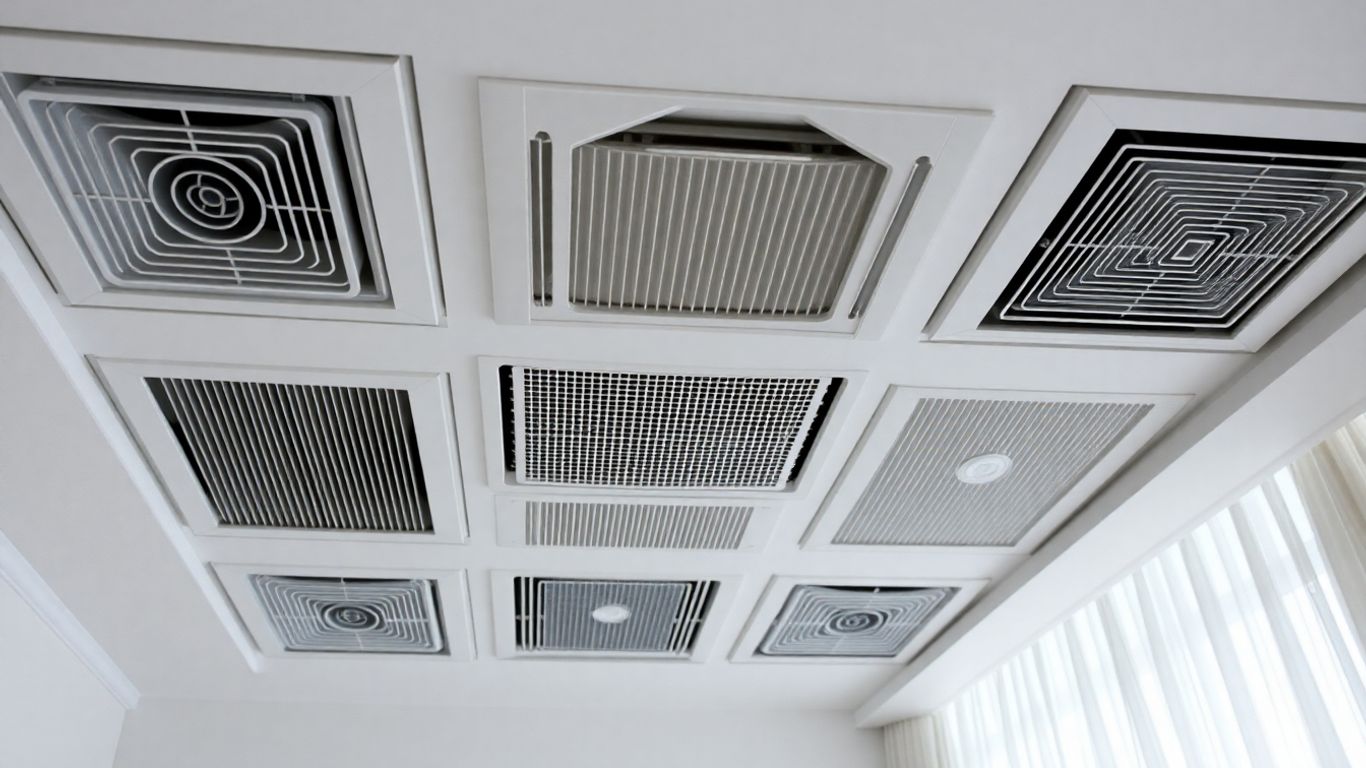
To fully understand air extraction, one must first grasp a few basic concepts. It is a key element in ensuring good indoor air quality in all types of buildings, whether residential, commercial, or industrial. We are talking about air renewal, a process that aims to evacuate stale air and replace it with fresh air.
Definition and Role of Air Extraction
Air extraction is simply the system that removes air from an enclosed space to discharge it outside. Its primary role is to control indoor air quality. By evacuating air laden with pollutants, humidity, or bad odours, it helps create a healthier and more comfortable environment for occupants. Think of your kitchen: without extraction, cooking odours would linger in the air for a long time, and humidity could cause problems.
Sources of Pollution and the Need for Renewal
In a building, air can become laden with pollutants from various sources. Firstly, there are pollutants related to human activity: carbon dioxide (CO2) that we exhale, volatile organic compounds (VOCs) emitted by furniture, paints, cleaning products, and even body odours. Added to this are pollutants specific to certain activities: cooking fumes, chemical vapours in a workshop, dust, etc. Outdoor air, even if not perfect, is generally less polluted than indoor air. This is why constant renewal is necessary to dilute these pollutants and maintain an acceptable level.
Air renewal is a necessity for health and comfort. It helps limit the accumulation of indoor pollutants and prevent problems related to poor air quality.
Distinction Between Fresh Air, Extracted Air, and Recycled Air
It is important to clearly distinguish these three terms:
- Fresh Air: This is the outdoor air introduced into the building to renew the indoor air. It must be captured far from pollution sources.
- Extracted Air: This is the stale air removed from the premises by the extraction system. It is then discharged outside.
- Recycled Air: In some cases, a portion of the extracted air can be treated (filtered, for example) and reintroduced into the building. This system, called recycling, allows for energy savings, but it must be used with caution, especially in premises where pollution is higher. It must never completely replace the necessary fresh air supply.
Here is a table summarising the recycling possibilities according to the pollution level of the returned air:
| Pollution level of returned air | Recycling of returned air | Use of transferred air |
|---|---|---|
| Low (office, stairwell, classrooms, etc.) | YES | YES |
| Moderate (shops, changing rooms, etc.) | NO | YES* |
| High (toilets, laboratories, smoking rooms, etc.) | NO | NO |
| Very high (kitchens, waste rooms, etc.) | NO | NO |
*to premises with a lower air quality class (toilets, garages, etc.)
Regulations and Air Extraction Flow Rates
It is important to be aware of the rules governing air extraction to ensure a healthy and compliant environment. These regulations aim to ensure sufficient air renewal to evacuate pollutants and maintain good indoor air quality. You must refer to them to correctly size your systems.
Applicable Regulatory Framework for Premises
The regulatory framework for building ventilation is primarily defined by standards and health regulations. These texts specify the minimum requirements for fresh air intake and extracted air flow rates, depending on the use of the premises and their pollution potential. The objective is to ensure that indoor air is adequately renewed for the health and comfort of the occupants. It is essential to consult the current texts, such as decrees and standards (e.g., ISO standards that serve as a reference), to know the specific obligations for your situation.
Fresh air must always be captured outdoors, far from potential pollution sources such as extracted air outlets or vehicle traffic areas. Similarly, extracted air must be discharged at a sufficient distance to avoid any recontamination.
Minimum Fresh Air Flow Rates by Type of Premises
The minimum required fresh air flow rates vary considerably depending on the purpose of the premises. These values are often expressed in cubic metres per hour per occupant (m³/h/person) or per square metre (m²/person), and take into account the activity taking place and the number of people present. Here are some indicative examples for premises with non-specific pollution:
- Open-plan offices: Approximately 12 m³/h per person.
- Meeting rooms: Approximately 3 m³/h per person.
- Classrooms: Approximately 2.5 m³/h per person.
- Shops: Approximately 4 m³/h per person.
For premises with specific pollution, such as sanitary facilities or kitchens, flow rates are often set per room or per pollutant emission point. For example, for individual toilets, a minimum flow rate of 15 m³/h per room may be required.
Impact of the Presence of Smokers on Required Flow Rates
Regulations take into account the presence of smokers, as smoking is a major source of indoor pollution. In premises where smoking is permitted, extraction and fresh air intake flow rates must be significantly increased to compensate for the generated pollution. If a smoking ban is in place, flow rates can be reduced, which directly impacts the energy consumption of the ventilation system. It is therefore crucial to clearly define the establishment’s policy on smoking to correctly adjust ventilation requirements.
Design of Air Extraction Systems
The design of an air extraction system is not done by chance. You need to consider where to place the fresh air inlets and stale air outlets, and ensure they are sufficiently far apart to avoid recycling polluted air. It’s a bit like organising a kitchen: each element has its place for everything to work well.
Placement of Fresh Air Inlets and Extracted Air Outlets
For fresh air inlets, the ideal is to place them facing the prevailing winds. This helps capture the freshest possible air. When sizing these inlets, aim for a maximum air velocity of 2 m/s to avoid creating too much noise or turbulence. For extracted air outlets, care must be taken not to discharge polluted air towards sensitive areas or fresh air inlets. The aim is for the stale air to escape without hindering air renewal.
Regulatory Distances Between Inlets and Outlets
There are precise rules to follow to ensure your system is compliant. For example, an air outlet on a wall must be more than 8 metres from a neighbouring building. If a fresh air inlet is on the same wall as an outlet, it must be at least 2 metres away, and ideally above it. If these distances cannot be respected, outlets often need to be placed on the roof. These distances are in place to ensure that extracted air is not re-aspirated.
Sizing Criteria for Extraction Grilles
The choice of extraction grilles depends on several factors. The air flow rate to be extracted, the desired air velocity at the outlet, and the acceptable noise level must be considered. A well-sized grille ensures efficient extraction without creating nuisance. The filtration of extracted air must also be considered if it is discharged into the environment and could cause nuisance. The flow rate per grille should generally not exceed 0.5 m³/s, and the velocity at the outlet should be at least 5 m/s to promote good dispersion.
The design of air extraction systems is a balance between efficiency, regulatory compliance, and comfort. Ignoring these aspects can lead to poor indoor air quality and operational problems.
Here is a table summarising some important distances to respect:
| Element to respect | Minimum distance |
|---|---|
| Distance from ground | 1.5 x maximum snow depth |
| Distance from polluting sources (e.g., car park) | 8 metres |
| Distance of a fresh air inlet from an outlet on the same wall | 2 metres (ideally above) |
It is also important to note that the air flow rate per outlet grille is limited to ensure proper dispersion and avoid local pollutant concentrations.
Filtration of Extracted Air and Fresh Air
To ensure good air quality in your premises, filtration plays an important role. It removes unwanted particles present in the air, whether it is the air you are bringing in (fresh air) or the air you are expelling (extracted air).
Role and Filtration Classes of Pre-filters and Final Filters
The filtration chain generally consists of two levels. First, the pre-filter. Its main role is to protect the rest of your installation, such as the fan or the hot/cold coils, by capturing larger particles. This prevents them from becoming clogged too quickly. Then comes the final filter. This is what ensures the quality of the air you breathe in the rooms. It retains finer particles to achieve the desired level of cleanliness.
Standards define classes for these filters. For pre-filters, class F7 is often recommended, and for final filters, class F9. These classes indicate their efficiency in retaining particles of different sizes. For example, an F7 filter is already quite effective for many applications.
Choice of Filters Based on Air Quality
The choice of filters depends on several factors. You need to consider the operating time of your system, but above all the quality of the air you wish to treat and the quality of the outdoor air you are capturing. If the outdoor air is very polluted, you will need more efficient filters.
Here is a small guide to help you see more clearly:
- Pure fresh air: An F6 filter may suffice.
- Fresh air with dust: An F5 filter combined with an F7 filter is a good option.
- Very polluted fresh air: A more advanced combination will need to be considered, for example F5 + gas filter (GF) + F9.
It is important to note that these recommendations may vary. The choice must always be adapted to your specific situation.
Maintenance and Replacement of Filtration Devices
A filtration system is useless if it is not maintained. The degree of clogging of the filters must be checked regularly. When they are too dirty, they must either be cleaned or replaced. Ignoring this step can reduce the efficiency of your ventilation, increase energy consumption, and even degrade air quality.
The cleaning or replacement of filters must be done in a timely manner to maintain system performance. A clogged filter can cause overpressure in the system and reduce the treated air flow rate.
It is also good to know that air ducts must be cleaned before commissioning, especially if there has been construction work. They must remain clean thereafter.
Energy Optimisation of Air Extraction Systems
To reduce the energy consumption of your air extraction systems, several avenues are available. The goal is to minimise losses while maintaining adequate air quality. This requires particular attention during the design and operation of your installations.
Principles of Heat Recovery from Extracted Air
Extracted air, often laden with pollutants but also with heat, represents a potential energy source. Recovering this heat allows for preheating the incoming fresh air, thus reducing the load on your heating system. The pollution level of the extracted air dictates the type of recovery possible. For example, for premises with low pollution such as offices, simple air recycling can be considered. For moderate pollution, a plate air-to-air heat exchanger is more suitable. In cases of high pollution (toilets, laboratories), a plate heat exchanger with reinforced airtightness is recommended, or even a glycol loop heat exchanger for very high pollution such as kitchens or waste rooms.
| Pollution level of returned air | Type of recovery |
|---|---|
| Low (offices, corridors) | Recycling of returned air |
| Moderate (shops, changing rooms) | Plate air-to-air heat exchanger |
| High (toilets, laboratories, smoking rooms) | Plate air-to-air heat exchanger (reinforced airtightness) |
| Very high (kitchens, waste) | Glycol loop heat exchanger |
Types of Suitable Heat Exchangers
The choice of heat exchanger is crucial for the efficiency of heat recovery. Plate heat exchangers are common and effective for moderate flow rates. They physically separate the extracted air from the fresh air, thus preventing any mixing. For more demanding applications, rotary heat exchangers can offer even higher efficiencies, but require careful attention to airtightness to prevent pollutant transfer. It is important to consider the pressure drop introduced by these exchangers, as it directly impacts the energy consumption of the fans. Good design aims to minimise this pressure drop, for example, by not exceeding 250 Pa for an H3* heat recovery unit.
The integration of a heat recovery system is an investment that is justified by significant long-term energy savings, especially in buildings with high air flow rates and long operating times.
Importance of System and Building Airtightness
Airtightness plays a major role in energy optimisation. Leaks in the air duct network can lead to considerable energy losses, estimated at around 2% of the total air flow. It is therefore essential to ensure that the entire ventilation system is well sealed. Similarly, the airtightness of the building itself is important. A poorly insulated building or one with uncontrolled air infiltration forces the ventilation system to compensate for these losses, increasing its consumption. Good overall airtightness allows for better control of air flows and reduces the power required for fresh air treatment. You can consult best practices for optimal design.
Monitoring and Maintenance of Air Extraction Installations
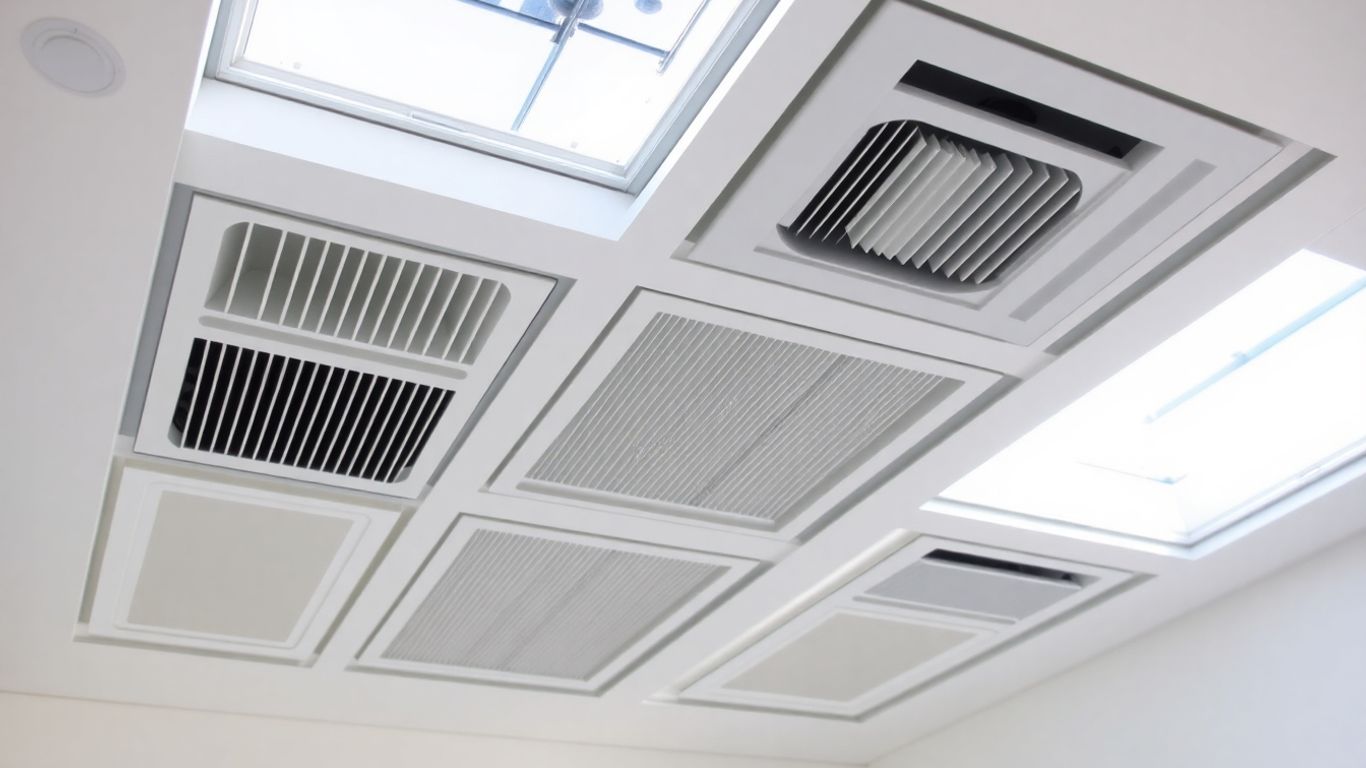
Once your air extraction system is installed, you must not forget it. Its proper functioning depends on regular monitoring and maintenance. This is your responsibility as an employer to ensure air quality and the health of your teams.
Employer’s Responsibilities in Monitoring Installations
As an employer, you must ensure that air renewal is properly provided throughout your premises. You must also ensure that the installation does not cause any discomfort to occupants, whether due to noise, vibrations, or variations in temperature or humidity. The installation must be designed to allow for easy maintenance and future checks. The internal surfaces of the air circuits must not contain materials that could disintegrate and release dust or harmful substances. You must also receive and keep an instruction manual from the project owner, detailing the ventilation specifics and necessary maintenance.
Creation and Updating of the Installation File
To facilitate this monitoring, it is essential to create and maintain an installation file. This file is a key document that brings together several important pieces of information. It must contain the initial instruction manual, but also operating instructions that you write. These instructions specify the measures to be taken in case of a breakdown and the evacuation times for the premises if air renewal is no longer sufficient. They must be validated by the occupational physician and the social and economic committee (CSE).
The installation file also includes a maintenance file, which records:
- The dates and results of all periodic checks.
- Maintenance and cleaning operations carried out.
- Any adjustments or modifications made to the systems.
This complete file must be accessible to the labour inspectorate, the social security organisations’ prevention services, and the CSE. Even if you are not the owner of the premises, you remain responsible for ventilation. Therefore, you must obtain the necessary information from the owner or project owner.
Importance of a Detailed Instruction Manual
The instruction manual, provided by the project owner, is the basis for managing your ventilation system. It must include a reference values file that sets out the qualitative and quantitative characteristics of the installation. This includes the minimum overall fresh air flow rate, the flow rate per room, filter specifications, and monitoring systems. This file must be established no later than one month after the initial commissioning. It is your reference for verifying that the installation is functioning as expected and for planning its maintenance.
Regular monitoring of ventilation installations is not an option, but a legal obligation aimed at protecting workers’ health. It ensures that the system operates optimally and that there is no risk related to air quality.
In Conclusion: The Importance of Well-Designed Ventilation
There you have it, we have covered the essential aspects of air extraction together. You have seen that it is not just about installing a system, but about designing it with care. Respecting regulatory flow rates, choosing the right filters, considering heat recovery, and above all, ensuring good airtightness, all contribute to healthy indoor air and energy savings. Do not forget that the quality of the air you breathe has a direct impact on your well-being and health. Take the time to fully understand the needs of your premises and make the right choices for your installation. It is a worthwhile investment.
Frequently Asked Questions
Why is it so important to ventilate my premises properly?
It is crucial to ventilate your premises for several reasons. Firstly, it helps to remove pollutants that accumulate in the air, such as those from our breathing, the products we use, or even from outside. Good ventilation ensures that the air remains healthy for the people who live or work there, thus preventing headaches, fatigue, or allergies. It’s a bit like airing out your home to keep it pleasant and healthy.
How do I know what air flow rate is needed for each room?
The required air flow rate depends on the type of room and its use. For example, a meeting room where many people gather will need more fresh air than an office where only one person works. Regulations specify minimums, often expressed in litres per second per person or per square metre. You also need to consider if specific activities, such as cooking or working in a lab, create more pollution.
Can the air we extract be reused?
Yes, in some cases, a portion of the extracted air can be reused, which is called ‘recycling’. However, this is only possible if the air is not too polluted. For example, air from an office can be partially recycled after being filtered. On the other hand, air from toilets or kitchens should never be recycled as it is too laden with pollutants.
What is an F7 or F9 filter and why is it important?
Filters are like sieves for air. The letter ‘F’ followed by a number indicates their efficiency. An F7 filter is already quite good at capturing small dust particles. An F9 filter is even more efficient and retains the finest particles. A less efficient filter (pre-filter) is often used to protect a more efficient filter (final filter). This helps keep indoor air cleaner and protects the ventilation system itself.
Can we recover heat from extracted air to save energy?
Absolutely! It’s an excellent idea for energy savings. The air we extract is often warm, especially in winter. We can use devices called ‘heat exchangers’ to transfer this heat from the extracted air to the fresh air entering the building. This way, we preheat the fresh air without using too much energy. The more polluted the extracted air, the more adapted the heat recovery system needs to be.
Who is responsible for checking that the ventilation system is working properly?
This is primarily the employer’s responsibility. They must ensure that the ventilation system is properly maintained and functions correctly to guarantee healthy air in the workplace. To do this, they must keep a complete file on the installation and have it regularly checked to ensure everything is in order. This is a legal obligation for the health and safety of everyone.
