
When it comes to heating or hot water production, the aquastat is often something we forget about, even though it plays a key role. You may be wondering what it actually does, how you set it up, or why there are several different models. In this article, you’ll discover everything you need to know about the aquastat, from its function to its impact on your installation’s performance. We’ll keep things straightforward, no beating around the bush, so you can finally understand this little box often hidden behind a cover or along pipework.
Key Points to Remember
- The aquastat measures and regulates the water temperature, unlike the thermostat which manages the room air temperature.
- There are different types of aquastats: safety, regulation, immersion or bulb types, each suited to specific needs.
- Correct aquastat settings help reduce energy consumption and prevent unnecessary overheating.
- For domestic hot water, the setpoint should be high enough to avoid Legionnaires’ disease, but not so high that it wastes energy.
- Regular maintenance and checking of aquastats are essential for proper functioning and the safety of the installation.
Definition and Function of an Aquastat in Hydraulic Installations
Difference Between an Aquastat and a Traditional Thermostat
An aquastat is a device designed to measure and control the temperature of water circulating in a hydraulic circuit. Unlike a traditional thermostat, which measures room air temperature, the aquastat acts directly on equipment associated with water, such as a boiler or a hot water cylinder. This distinction is important, as it affects the device’s accuracy, response speed, and area of operation.
- The aquastat monitors the temperature of the water, typically in a pipe or cylinder.
- The traditional thermostat regulates according to the room temperature in a living area.
- The two may coexist in the same system, with the aquastat often taking care of the purely hydraulic aspects.
In some systems, control may be provided by a sensor, for example for domestic hot water, while radiator heating is managed by a room thermostat, as is typically organised in radiator heating systems.
Role in Water Temperature Control
The aquastat plays a key role in limiting or activating the operation of a heat generator as soon as the water reaches a pre-set temperature. This prevents both overheating and excessive cooling of the circuit. The device generally acts as a thermal switch:
- It measures the actual temperature using a sensor or bulb in direct contact with the water.
- It compares this value to the setpoint you have selected.
- When the temperature passes this threshold, it opens or closes the electrical circuit connected to the boiler or pump.
The benefits are numerous: safety, energy saving, and the stability of the hydraulic system.
Fine temperature control by the aquastat helps reduce sharp variations that can damage equipment or reduce efficiency over time.
Typical Location in the Circuit
The effectiveness of an aquastat depends heavily on its placement in the system. Here are the main locations you’ll find it:
- Directly on the outlet pipe from the boiler to control the flow temperature.
- On a domestic hot water cylinder, to regulate heating and prevent overheating.
- Sometimes in the return loops to optimise regulation for radiator or underfloor circuits.
It’s essential that the contact between the sensor and the water is optimal. Poor positioning or a badly fixed sensor can give false readings and result in inappropriate control cycles. For agricultural hydraulic installations, as shown in some detailed network analyses, studying the location of the measuring devices is crucial for the system’s balance and safety.
The Main Types of Aquastats for Heating and Domestic Hot Water
The aquastat is a central component in controlling heating and domestic hot water production systems. Depending on your installation, several types of aquastats can equip your circuit. It’s important to choose the specific type of aquastat best suited to the desired function to ensure the safety, performance, and energy efficiency of the whole system.
Safety Aquastat
The safety aquastat is mainly used to protect the installation against overheating. It interrupts the power supply to the boiler or burner if the water reaches too high a temperature, thus reducing the risk of material damage or accidents. This device is essential on all modern or refurbished boilers.
Main features:
- Triggers in case of excessive temperature
- Locking function until manually reset
- Compliance with current safety standards
Regulation Aquastat
This aquastat modulates the operation of the heat generator, keeping the water between two fixed temperature values. It ensures the water is kept at an appropriate service temperature, neither too low nor excessive. This type of aquastat actively contributes to the stability of domestic or professional heating.
Its functions include:
- Starting the burner when the temperature drops below the lower setpoint
- Turning off the burner when the upper setpoint is reached
- Optimising the system’s energy efficiency
Immersion and Bulb Models
There are two main options for sensor immersion: the immersion aquastat and the bulb aquastat.
| Model | Installation Method | Application Areas |
|---|---|---|
| Immersion | Directly into the fluid | Boilers, DHW heaters |
| Bulb | Sensor placed in a pocket or tube | Circuits where direct immersion is not possible |
- The immersion aquastat is installed directly into the pipe or tank, allowing fast measurement of the circulating water’s temperature.
- The bulb model, often fitted into a thermal well, is suitable when you want to avoid direct contact between the sensing element and the fluid.
- Each configuration has its advantages depending on maintenance and the system’s layout.
Taking time to assess the type of aquastat required not only avoids safety problems, but also allows you to significantly save energy in the long run.
The Role of the Aquastat in Energy Optimisation of Heating Systems
An aquastat plays a discreet but vital role in the efficient energy management of your heating installation. By adjusting the temperature of the circulating water, it not only improves comfort but also limits energy consumption—now a fundamental concern.
Reducing Heat Losses with Correct Regulation
The main strength of the aquastat is in its ability to keep water at exactly the required temperature, without excess. By avoiding maintaining an excessively high temperature at all times, you significantly reduce heat loss from the boiler and pipework. This simple action contributes to clear savings on your gas or electricity bills.
Some concrete benefits of suitable regulation:
- Less heat loss to the plant room environment
- Optimised operation during building downtime
- Faster, more accurate response during a peak demand
Using what’s called a “floating” temperature, adjusted according to outdoor conditions, further enhances this optimisation.
Compatibility with New and Old Boilers
The aquastat is not only for modern installations. Whether you have an old traditional boiler or a recent condensing model, there’s always a suitable solution. The adaptability of the aquastat means you can modernise thermal regulation without replacing the entire system.
Here’s a summary table for clarity:
| Boiler Type | Aquastat Compatibility | Main Advantage |
|---|---|---|
| Traditional (pre-2000) | Yes | Reduction of unnecessary losses |
| Recent condensing | Yes (fine modulation) | Maximum efficiency via variable water temperature |
| Very low temperature | Yes | Reduction of condensation risk |
Always remember that correct and evolving settings are possible, even on older systems. This extends the lifespan of your equipment.
Interaction with Timed Programming
The aquastat can easily be combined with timed programming, allowing for reduced or switched-off heating according to actual needs. The strategy is: lower the setpoint or switch off the pump and boiler during unoccupied periods, then restart before occupancy. This adds a dynamic dimension to energy control.
Key points to manage:
- Clearly schedule unoccupied times (night, weekends, holidays)
- Coordinate system restart with the actual indoor and outdoor temperatures
- Use an optimiser if possible to adapt the system’s start to weather conditions
Smart aquastat settings and timed programming often yield between 5 and 15% energy savings over a heating season.
Day to day, effective energy management also relies on this little-known device. For best performance, annual adjustment reviews are necessary, in line with the building’s changing needs. Simple management… but effective!
Setpoint Adjustments: Impact on Performance and Safety
The precise setting of your aquastat directly influences thermal comfort, energy consumption, and your system’s sanitary safety. You need to know how to adjust the set temperature, because even a small mistake can lead to costly—or even dangerous—problems.
Recommended Temperature Ranges for Heating
Each system requires compliance with certain setpoint values. Here’s a reference table of common temperatures:
| Use | Recommended range (°C) |
|---|---|
| Standard radiators | 60 to 75 |
| Underfloor heating | 35 to 45 |
| Water heater (DHW)* | 55 to 60 |
*DHW: Domestic Hot Water
- Lower settings reduce energy loss but may limit comfort during high demand.
- Excessively high temperatures speed up component wear and cause overconsumption.
- Adjust depending on the building’s insulation and type of emitter.
Sometimes, just a few degrees’ difference on the setpoint can transform your energy bill.
Precautions for DHW Production and Legionella
Legionella can develop in DHW circuits with incorrect temperature settings. It is essential to keep stored water at a minimum of 55°C to mitigate this risk. Also consider:
- Avoiding stagnation zones in the network.
- Ensuring hot water circulates regularly, even during off-peak periods.
- Preferring DHW loopbacks rather than dead-end pipe lengths.
If you temporarily lower the temperature to save energy, be sure to carry out at least one thermal disinfection per week (cycle at 70°C) to secure the network.
Consequences of Unsuitable Settings
Incorrect setpoints can cause various problems. For example:
- Overheating leading to repeated breakdowns or leaks.
- Increased health risks (bacterial growth, scalding).
- Erratic burner operation, short or excessively long cycles.
Always record any adjustments made in a dedicated plant room logbook. This helps you quickly identify the cause of any problem. Clear documentation improves system life and simplifies maintenance.
In short, adjusting your setpoint settings is not a detail: it’s at the heart of effective control for every installation, day in, day out.
Selecting and Installing an Aquastat to Suit the Installation’s Needs
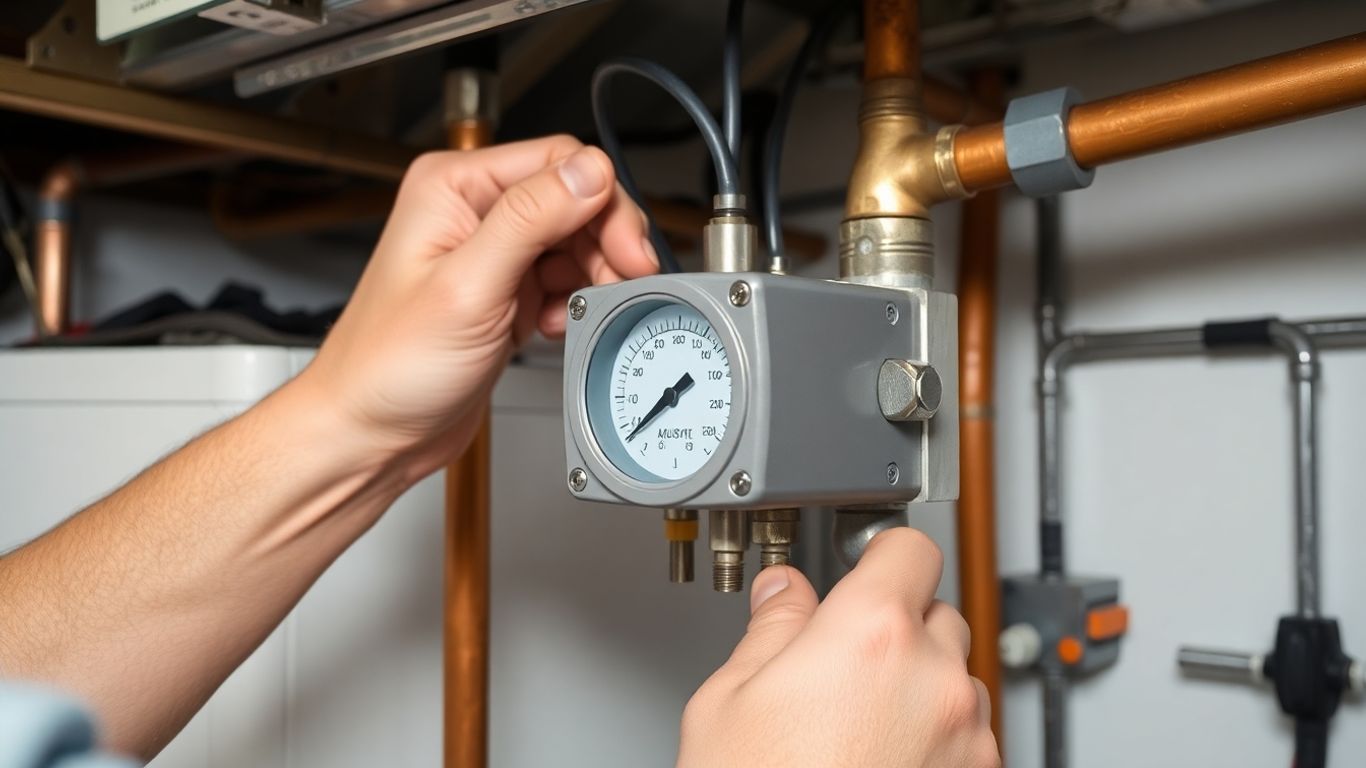
Choosing the right aquastat depends mainly on your heating system’s specifications and your needs. An unsuitable choice can reduce performance or complicate future maintenance. But with a little care, it’s actually very straightforward.
Selection by Boiler and Emitter Type
Start by listing these elements:
- Type of boiler (gas, oil, wood, electric, heat pump)
- Presence of domestic hot water (DHW) production, whether managed as part of the system or separately
- Type of emitters (radiators, underfloor heating, fan convectors)
Compatibility between your aquastat and boiler ensures reliable temperature readings and fast reaction if overheating occurs. For example, it’s wise to choose models recommended by the manufacturer when working with recent equipment.
| Boiler Type | Recommended model | Particular note |
|---|---|---|
| Gas/Oil | Capillary bulb aquastat | Standard accuracy |
| Heat pump | Electronic aquastat, sometimes integrated | Often already modular |
| Underfloor heating | High-temperature safety aquastat | Strict limit set (anti-overheating) |
Accessibility for Servicing and Maintenance
In practice, what often causes trouble is access in case of failure or adjustment. Install the aquastat in a dry, visible location, free from stray heat sources and easy to reach. Three best practices to remember:
- Allow space around the sensor.
- Mark its position if the system is extensive.
- Check if it can be removed without having to dismantle everything nearby.
Always think ahead for future maintenance: an accessible installation saves valuable time, especially in cold weather when every minute counts!
Compatibility with Home Automation Regulation Systems
If you want to communicate remotely with your installation or control it automatically, it’s best to opt for an aquastat compatible with home automation solutions. There are models with digital outputs or relays that integrate easily with control panels.
When considering connectivity or automation, check that your chosen hardware supports the communication protocol of your existing equipment. This improves overall reliability, maintenance and even the security of your installation. For more advice on future-proofing systems, check out the criteria used by home automation companies when automating a home.
Finally, always remember: a well-chosen and well-installed aquastat can save you trouble, ensure safety, and optimise temperature management over time.
Maintenance, Fault Detection and Additional Functions of Aquastats
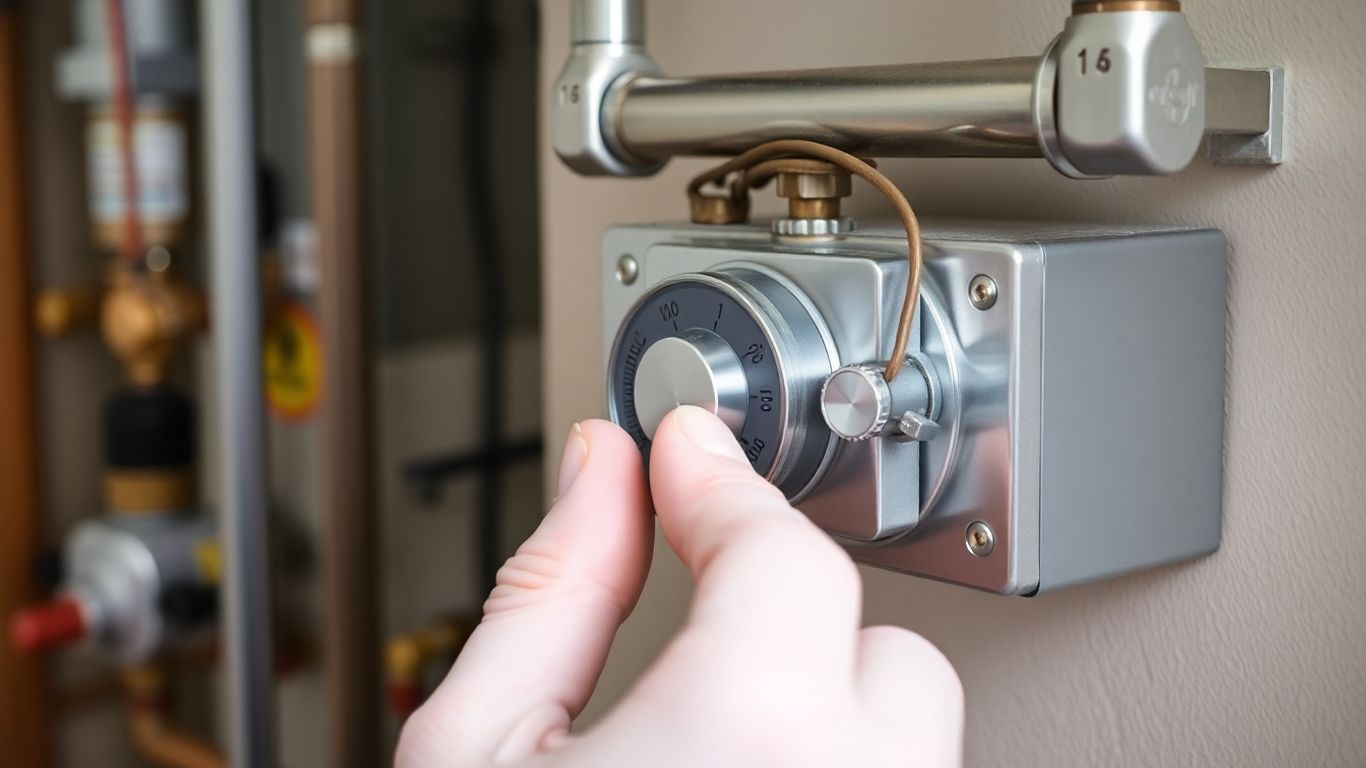
To ensure reliable and long-lasting operation of your installation, it’s important to give regular attention to the maintenance and monitoring of your aquastat. Preventive checks reduce the risk of failure and contribute to optimum heating management.
Frequency of Checks and Tests for Proper Operation
It is recommended to set up a verification schedule to ensure the system’s stability:
- Test the aquastat at least once per season, especially before the heating period.
- Check the device’s response when adjusting the setpoint (up or down).
- Inspect wiring, fixings, and overall condition for signs of ageing or corrosion.
| Maintenance task | Recommended frequency |
|---|---|
| Trip test | Twice a year |
| Visual inspection | Once a quarter |
| Cleaning connections | Once a year |
Thorough checking avoids unexpected heating shutdowns and extends the life of aquastat devices.
Automatic Fault Detection
Modern aquastats often include advanced fault detection features. You can quickly spot faults such as:
- Short circuit or break in the sensor circuit.
- Large temperature differences between setpoint and actual value.
- Abnormal fluctuations in water or room temperature.
Rapid diagnosis is essential to minimise interruptions and anticipate interventions, thus reducing impacts on comfort and installation safety. Some models can communicate faults remotely via building technical management systems or suitable apps, for easier monitoring.
Additional Functions such as Circulator Unsticking
Beyond simply regulating temperature, modern aquastats offer useful auxiliary functions:
- Automatic pump unsticking: periodic operation of pumps (e.g. 30 seconds every 24 hours) to avoid seizing and scaling.
- Automatic alternating of twin pumps to keep systems running in case one unit fails.
- Timed pump shut-off after heating interruption to dissipate residual heat.
If you wish to connect your aquastat to a home automation solution, it can be helpful to call in a professional specialist in automated system maintenance, such as a home automation electrician, to ensure compatibility, safety, and effective remote control.
Consistent maintenance, combined with these ancillary functions and rapid fault detection, ensures your heating system remains reliable and more energy-efficient.
Advanced Control with Modulating or On/Off Aquastats
Differences Between Modulating and On/Off Control
An aquastat can operate using two main modes: modulating or “on/off”. It’s vital to understand what each system involves so you choose the right setup for your installation.
- “On/off” mode: This system is simple. As soon as the desired temperature is reached, the heating device stops completely and starts again when the temperature falls. This sometimes causes temperature swings and often leads to higher consumption.
- Modulating control: With this approach, the heating power varies in real time according to the difference between the measured temperature and the setpoint. This means the boiler is always running, but constantly adjusts its output to maintain a steady temperature.
| Control Mode | Energy Consumption | Temperature Stability |
|---|---|---|
| On/off | Higher | Frequent fluctuations |
| Modulating | Lower | Very steady |
You’ll improve your thermal comfort and reduce energy bills if you choose a modulating aquastat.
Adapting to Different Energy Needs
Setting up the right control mode largely depends on the type of building and usage. For example:
- In highly insulated buildings, modulating mode prevents pointless temperature peaks.
- For older systems, on/off may suffice but often causes overconsumption.
- Some modern boilers require modulating control to function at their best.
This choice not only affects performance, but also the wear and tear on your equipment!
Impact on Thermal Comfort and Consumption
An advanced aquastat, especially in modulating mode, limits temperature variations in your living space. You’ll notice less of the stop/start effect, significantly improving comfort. Further advantages include:
- Lower energy use,
- Less strain on the boiler,
- Lower CO2 emissions.
You should also know that “on/off” thermostats belong to class I, while more advanced modulating systems are classified higher for their accuracy and efficiency. You’ll find further information on the difference in technology between these devices on temperature control.
Furthermore, some systems are even incorporated into a home automation setup, which refines your equipment’s programming and optimisation day to day. This flexibility can completely transform how you control heating and manage your energy savings—provided, of course, that you choose the right device from the outset!
Conclusion
To sum up, the aquastat plays an important role in managing the water temperature in your system. There are several types of aquastat, each with its features, and your choice mainly depends on your requirements and the system type in place. Setpoint settings should not be taken lightly: correct adjustment helps prevent waste and ensures stable comfort. If you’re unsure, don’t hesitate to consult your device’s manual or ask a professional for advice. A well-set system means fewer problems day to day, and often lower bills. Take the time to check your settings from time to time—it really can make a difference.
Frequently Asked Questions (FAQ)
What is the difference between an aquastat and a standard thermostat?
An aquastat measures the water temperature in a heating circuit, while a standard thermostat measures the air temperature in a room. The aquastat is used to control the water temperature to prevent it from getting too hot or too cold.
Where is an aquastat usually installed in a system?
The aquastat is often placed on the boiler or near the hot water cylinder. It must be in direct contact with the water circuit to measure the temperature accurately.
What are the main types of aquastats?
There are three main types: the safety aquastat, which shuts down the system in the event of overheating; the regulation aquastat, which adjusts the water temperature as required; and immersion or bulb models, which differ in how they detect the temperature.
How should you set the aquastat temperature?
For heating, it’s advisable to set the aquastat to between 60 and 70°C. For domestic hot water, keep it above 55°C to avoid bacteria such as legionella, but not too hot to avoid wasting energy or risking burns.
Is a modulating aquastat better than an on/off model?
Yes, a modulating aquastat gradually adjusts the temperature according to demand, which saves energy and provides a more stable temperature. An on/off model simply operates in start/stop fashion, which can cause significant variations and higher consumption.
How do you maintain an aquastat and spot a fault?
The aquastat should be checked once a year, especially before winter. Some models automatically report faults. If the water doesn’t reach the right temperature or if the heating won’t start, it may be an aquastat issue—get it checked by a professional.
