
Are you wondering what an ioniser is and if this device could be useful to you? Whether it’s to improve the quality of the water you drink or to purify the air in your home, the ioniser is attracting increasing interest. This article guides you to understand how it works, evaluate its real effectiveness, and inform you about the precautions to take for safe and beneficial use.
Key points to remember about ionisers
- A water ioniser adjusts the pH of water for precise alkalinisation, offering control over mineralisation, but represents a more significant initial investment compared to filter jugs.
- It is important to choose your ioniser carefully based on your specific water quality needs and budget, comparing the cost of refills and ease of maintenance.
- Although effective at destroying bad odours and certain micro-organisms, the use of an air ioniser (ozone generator) requires great caution, particularly due to the toxicity of ozone for living beings.
- When using a device that produces ozone, it is imperative to leave the treated room and ventilate it thoroughly before re-entering to avoid any harmful inhalation.
- For optimal use, find out about the compatibility of filters with your tap water and strictly adhere to the safety and maintenance instructions provided by the manufacturer.
Understanding the role of the ioniser
A water ioniser is a device that modifies the structure of water to make it more alkaline. Its operation is based on electrolysis, a process that separates water into two streams: one acidic and the other alkaline. This technology aims to offer water with specific properties, often sought after for their health benefits or for culinary uses.
Operation and technology
A water ioniser uses electrode plates, typically made of platinum-coated titanium, to perform electrolysis. When water passes through the electrolysis chamber, an electric current is applied. This current causes the separation of positive ions (cations) and negative ions (anions). Cations migrate to the cathode (negative electrode) and anions to the anode (positive electrode). Water that becomes charged with hydroxyl ions (OH-) becomes alkaline, while water charged with hydronium ions (H3O+) becomes acidic. The quality of the electrode materials and the current’s power are crucial factors for the device’s efficiency and durability. It is important to note that some ionisers can also produce ozone, a gas that requires precautions for use.
Applications in the home
Alkaline water produced by an ioniser has various applications within your home. It can be used for daily drinking, with some preferring it for its taste or supposed properties. In cooking, it can be used to rinse fruits and vegetables, prepare infusions, or cook certain foods, to preserve their nutrients. Acidic water, on the other hand, can be used for cleaning, light disinfection, or as a skin tonic. Integrating an ioniser into your home is part of a well-being approach and optimisation of water use, similar to adopting smart home technologies, such as those offered by platforms dedicated to improving comfort and energy efficiency learn more about smart homes.
Comparison with other alkalinisation solutions
Compared to an ioniser, other methods can produce more alkaline water. Alkalising filter jugs, for example, use cartridges containing minerals that increase the water’s pH. They are more affordable to buy and simpler to use, but offer less control over the alkalinity level. Bicarbonate of soda or lemon juice are natural and economical solutions for adjusting water pH occasionally. However, they can alter the taste and do not provide the same potential benefits as ionised water. The ioniser positions itself as a technological solution offering precision and versatility, although its initial cost is higher. The choice will depend on your expectations regarding control, budget, and frequency of use.
| Solution | Estimated Cost (per litre) | Advantages | Disadvantages |
|---|---|---|---|
| Bicarbonate of soda | €0.01 | Very economical, accessible everywhere | Slightly salty taste, possible alteration of neutrality |
| Lemon | €0.15 | Natural, enhances taste | Less practical in large quantities, marked acidity |
| Filter jug | €0.10–€0.25 | Ease of use, often AFSSA certified | Cartridges need replacing, vigilance for large families |
| Water ioniser | €0.55–€1.00 | Precise settings, control over alkalinisation | Significant initial outlay, targeting the level of neutrality |
Alkaline water can be pleasantly integrated into your daily diet. For example, adding citrus fruits or fresh herbs can enhance its taste and make its consumption more enjoyable, thus transforming a simple drink into a moment of well-being.
Evaluating the effectiveness of an ioniser
To know if an ioniser will meet your expectations, you need to look at several things. It’s not just a matter of turning the device on and hoping for the best. You need to understand how it works and what it’s supposed to do.
Performance criteria and settings
The effectiveness of an ioniser largely depends on its settings. You should be able to adjust the power or ionisation level. A good device offers options to adapt the treatment to the room size or the air quality you wish to achieve. Also, consider the lifespan of components, such as electrodes. Materials like stainless steel are preferable as they last longer and are more resistant to corrosion. You also need to check electricity consumption; some ionisers are very economical, consuming only a few watts, while others can be more power-hungry, especially if they include ventilation. Compare this with other solutions like classic air purifiers that use HEPA filters, which can consume between 20 and 80 watts. Fanless air ionisers are clearly the least energy-intensive, with very low consumption, around only 2 to 5 watts.
Impact on water quality
If you use a water ioniser, its impact on water quality is the central point. This involves checking the water’s pH after ionisation. Reputable devices allow for precise adjustments to achieve the desired level of alkalinisation. It’s important to know that some ionisers can produce ozone, a gas that, even at low doses, can be irritating to the respiratory tract. The US Environmental Protection Agency (EPA) recommends checking certifications to ensure that ozone levels remain very low, ideally below 0.05 ppm. It is important to choose your device carefully based on your specific water needs.
Perceived benefits and claims
It’s easy to be swayed by promises of purer air or healthier water. However, it’s wise to remain cautious about claims that are too good to be true. For example, some air ionisers promise to reduce allergens. Negative air ionisation involves releasing ions that attach to pollutant particles, making them heavier and causing them to fall to the floor. This can help, but it’s important to remember that these particles remain present and must be cleaned regularly to prevent them from being re-suspended. Furthermore, some devices can produce ozone, a potentially harmful gas. It is therefore advisable to check the device’s standards and certifications, such as those that guarantee minimal ozone production. For effective air purification, there must also be good contact between the polluted air and the active surface of the device, which implies an adequate airflow and correct exposure to UV light if it’s a photocatalytic technology. Don’t forget to check the catalyst’s condition and favour low-consumption UV lamps to limit energy impact. Integration into a healthy routine, such as regular surface cleaning, is also important to fully benefit from these devices. If you’re looking to improve your indoor environment, you might also be interested in smart lighting, which allows you to create personalised ambiances and automate your lights create personalised ambiances.
Investment and maintenance of an ioniser
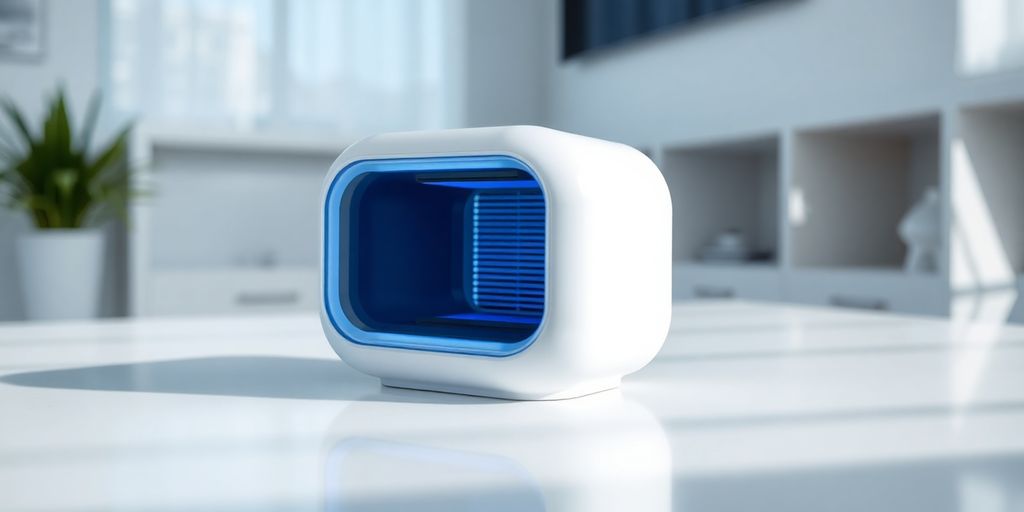
The acquisition of an ioniser represents a financial commitment that deserves consideration. It is important to consider not only the initial cost, but also the recurring expenses related to its operation and longevity.
Initial cost and recurring expenses
The purchase price of an ioniser can vary considerably depending on the brands and features offered. You should expect a more significant initial investment than for simpler solutions like filter jugs. Beyond the purchase, consider consumables: certain cartridges or filters will need to be replaced periodically. It is wise to compare the cost of these replacements over time to evaluate the annual budget. For example, the cost per litre of water treated by an ioniser is generally between €0.55 and €1.00, which is higher than other methods, but can be justified by the precision offered. It is advisable to check the compatibility of the filters with your tap water and compare the cost of refills before making your decision.
Component durability
The lifespan of the various components of your ioniser is a key factor. Electrodes, for example, are often made of high-quality stainless steel for better corrosion resistance and a longer service life. Systems that use UV lamps, if they have them, can have varying lifespans; favour UV LED models which last longer, up to approximately 20,000 hours. The choice of recyclable or recycled materials for the casing can also contribute to a reduced environmental impact in the long term. Good durability means fewer replacements and therefore less waste.
Ease of maintenance
Maintaining an ioniser is generally simple, but it is important to adhere to it to ensure the device’s proper functioning and the quality of the water produced. This often involves regular cleaning of the electrodes and replacing filters according to the manufacturer’s recommendations. Some users find that ease of maintenance is a decisive factor in their long-term choice. It is recommended to strictly follow the user manual for cleaning and replacing parts to preserve your device’s performance. Adequate maintenance can significantly extend the life of your ioniser and maintain optimal water quality.
The initial investment in an ioniser may seem high, but considering the durability of its components and the relative simplicity of maintenance, it is a technology that can prove cost-effective in the long term for those seeking precise control over their water quality.
Essential precautions during use
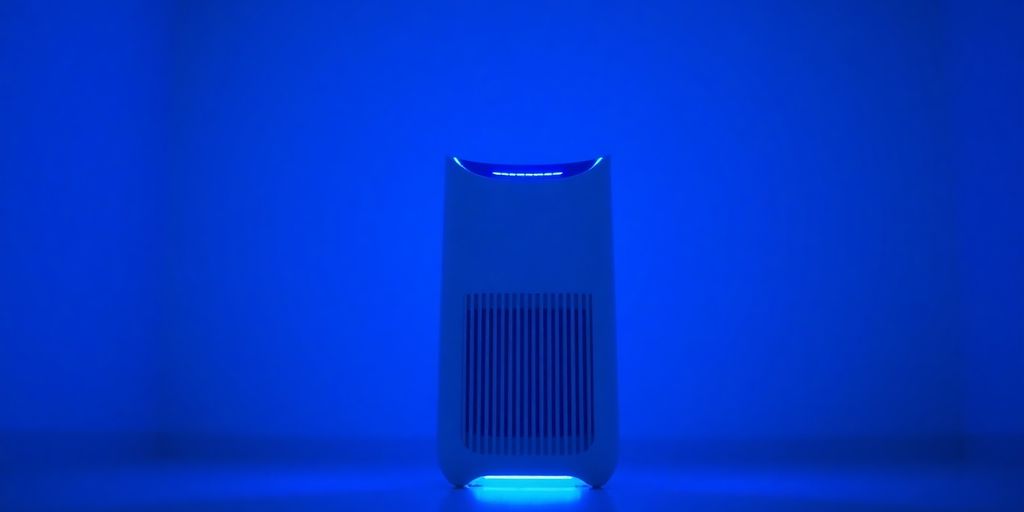
The use of an ioniser, although potentially beneficial, requires particular attention to ensure your safety and that of those around you. It is essential to understand the potential risks and adopt good practices.
Risks related to ozone
Ionisers, by their operation, can produce ozone (O₃). Although ozone at low concentrations can have purifying effects, prolonged exposure or high levels can be irritating to the respiratory tract and eyes. It is therefore advisable not to remain in the room while the device is operating, especially if it is designed to treat the air. Always check your device’s specifications regarding ozone production.
Ventilation of treated areas
After using an ioniser, particularly in enclosed spaces, good ventilation is recommended. This helps to dissipate any residual concentration of ozone or other potential by-products of the ionisation process. Opening windows for at least 15 to 30 minutes after switching off the device helps to refresh the ambient air and maintain a healthy environment. Good ventilation is an often overlooked but crucial aspect for safe use.
Handling and safety
When handling your ioniser, ensure the device is unplugged. Avoid any contact with water, unless the model is specifically designed for it and you follow the manufacturer’s instructions. Carefully read the user manual provided with your device. If in doubt about installation or operation, do not hesitate to consult a qualified professional for the installation of smart home systems, who can advise you on integrating such devices into your home electrical installation.
- Follow the manufacturer’s safety instructions.
- Never modify the device.
- Use only recommended accessories.
Tips for optimal use
To get the most out of your ioniser, a few simple tips can make a big difference. It’s about adapting its use to your specific needs and integrating it harmoniously into your daily life.
Adapting the device to needs
Each ioniser offers different pH settings. It is important to understand what each level means for your consumption. For example, slightly alkaline water can be pleasant to drink throughout the day, while more alkaline water might be reserved for specific uses, such as preparing certain foods. Take the time to consult your device’s manual to fully grasp the nuances. It is often recommended to start with gentler settings and adjust gradually according to your feelings and your healthcare professional’s recommendations.
Compatibility check
Before purchasing an ioniser, or if you have just acquired one, ensure it is compatible with the quality of your tap water. An ioniser’s performance can vary depending on the composition of the water it treats. Some waters, too soft or too rich in certain minerals, might not be ideal for all models. Enquire with the manufacturer or consult reviews from users with similar water to yours. Also, remember to check the cost and availability of spare parts necessary for its proper long-term functioning.
Integration into a healthy routine
Ionised water can complement a holistic well-being approach. Consider combining it with a balanced diet and regular physical activity. For example, consuming alkaline water before or after exercise can be beneficial. You can also use it to prepare infusions or smoothies, adding a touch of freshness and vitality to your drinks. The idea is to make ionised water a natural element of your healthy habits, rather than just a gadget. Regular maintenance of the device, such as cleaning the electrodes and replacing filters according to recommendations, is also an integral part of this routine to ensure consistent water quality. Good management of your device, similar to the maintenance of a smart home system, ensures its longevity and effectiveness.
In summary: what choice to make?
Ultimately, the choice of a solution to modify your water quality really depends on what you’re looking for. If you just want a little boost without breaking the bank, lemon or bicarbonate will do the trick. For more regular, hassle-free use, a filter jug can be a good option, provided you remember to change the filters. Now, if you’re the type who wants to control everything, adjust the pH precisely, and budget isn’t your main concern, then a water ioniser might interest you. Be sure to check the cost of filters and ease of maintenance before deciding. The important thing is to find what suits you and your daily life best.
Frequently Asked Questions
What is a water ioniser and how does it work?
A water ioniser is a device that changes the pH of water, making it more alkaline. It uses technology to separate water molecules and add minerals, which makes the water better for your health.
What are the benefits of drinking alkaline water produced by an ioniser?
Alkaline water can help balance your body’s pH and neutralise acids. Some say it helps with better hydration and increased energy, but one should remain cautious with these promises.
What is the cost of a water ioniser and what expenses should be anticipated?
Water ionisers can be expensive initially. You also need to consider the cost of replacement filters and maintenance. Carefully compare prices and what each device offers before making your choice.
What precautions should be taken when using a water ioniser?
It is important to read the user manual carefully and follow the safety instructions. Some devices produce ozone, which can be harmful if inhaled. Therefore, the room should be ventilated after use.
How to use a water ioniser optimally?
To make the best use of your ioniser, ensure the filters are compatible with your tap water. Also, remember to adjust the device according to your needs to fully benefit from its advantages.
Are there other methods to make water alkaline?
There are other ways to alkalise water, such as filter jugs or simply adding lemon or bicarbonate. These solutions are often cheaper and simpler, especially if you don’t need very precise adjustment.
