
Looking to better understand how split air conditioning systems work? It’s an excellent idea, especially when temperatures start to rise. This article will explain the basics, the differences between mono and multi models, and what you need to know about installation distances. Let’s go through it together, nice and easy.
Key Takeaways
- A split system works using a refrigeration cycle that moves heat from inside to outside.
- The monosplit model is simple and economical, ideal for a single room.
- The multisplit allows you to air condition multiple rooms with a single outdoor unit, offering more flexibility.
- The bi-split is an option for two rooms, with independent control for each.
- Installing a split system requires work (running pipes) and adhering to precise distances between units for good performance.
Fundamental Principles of the Split System
A split system, whether it’s a monosplit, multisplit, or bi-split, is based on a well-established thermodynamic principle. It’s essentially a closed circuit where a specialised fluid circulates continuously to transfer heat. This system consists of two main units: an indoor unit and an outdoor unit.
Operation Based on a Thermodynamic Cycle
The heart of the split system is its thermodynamic cycle. This cycle allows heat to be moved from one place to another. In cooling mode, it captures heat from inside your home and releases it outside. In heating mode (for reversible models), it does the opposite: it captures heat from outside, even in cold weather, and distributes it inside. This process is made possible by the changes in state of the refrigerant fluid.
Role of Refrigerant Fluid in Heat Transfer
The refrigerant fluid is the key element that enables heat transfer. It circulates in a sealed circuit and undergoes changes in pressure and temperature. These changes of state, from liquid to gas and then from gas to liquid, allow it to absorb heat when it evaporates and release it when it condenses. It is this property that is used to cool or heat the ambient air. The choice and quantity of this fluid are crucial for the efficiency of the appliance. You can find information on the components of an air conditioner which explain the role of each part in this cycle.
Interaction Between Indoor and Outdoor Units
The indoor unit is what you see in your room. It draws in ambient air, passes it over a heat exchanger where the refrigerant fluid circulates, and then rediffuses the cooled (or heated) air. The outdoor unit, on the other hand, houses essential components like the compressor and condenser. This is where the refrigerant fluid releases the heat captured indoors (in cooling mode) or captures heat from outside (in heating mode). The two units are connected by refrigerant lines (copper pipes) and electrical connections, allowing this cycle to function in a coordinated manner.
Understanding the Monosplit Air Conditioner
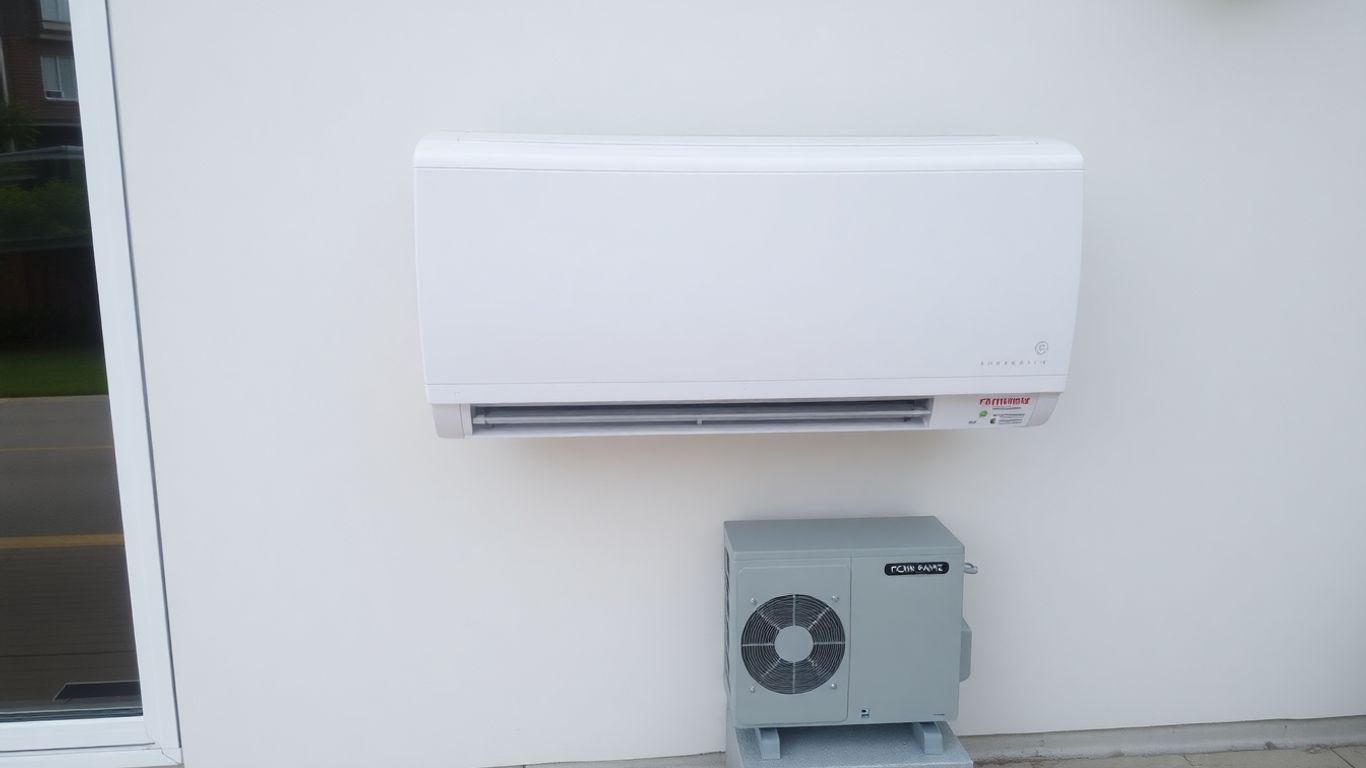
The monosplit air conditioner is often the first choice for those looking to cool a single room. Its name, “mono,” clearly indicates that it is a system composed of one indoor unit and one outdoor unit. It’s a fairly simple and direct solution to improve your thermal comfort.
Suitable for Air Conditioning a Single Room
If you have a specific room that’s problematic, such as a bedroom where heat builds up or an office where you spend a lot of time, the monosplit is designed for that. It focuses its efforts on a single space, making it effective for that task. You don’t need to cool the whole house if only one part is an issue.
Advantages in Terms of Cost and Simplicity of Installation
One of the major attractions of the monosplit is its generally more affordable purchase price compared to multi-split systems. Furthermore, its installation is often quicker and less complex. This means less work and potentially lower setup costs. It’s a good starting point if you’re new to air conditioning.
Limitations for Multiple Comfort Needs
It’s important to understand that the monosplit has its limitations. It can only manage a single temperature zone. If you need to air condition multiple rooms with different settings, or even if you simply want to cool the living room and the bedroom, a monosplit will not be sufficient. You would then need to consider another solution, such as a multi-split system. Think carefully about your current and future needs before making your choice. The operation based on a thermodynamic cycle is the same as for other systems, but it is concentrated on a single indoor unit [ff94].
Here is a quick comparison table to illustrate:
| Characteristic | Monosplit Air Conditioner |
|---|---|
| Number of indoor units | 1 |
| Air conditioning zone | A single room |
| Purchase cost | Generally lower |
| Installation complexity | Simpler |
| Flexibility | Limited |
In summary, the monosplit is an effective and economical solution for a single room. It is easy to install and use, but it will not meet the air conditioning needs of multiple spaces simultaneously.
Exploring the Multisplit Air Conditioner
If you need to air condition several rooms in your home, the multisplit system is a particularly interesting solution. Unlike the monosplit, which is limited to a single zone, the multisplit allows you to connect multiple indoor units to a single outdoor unit. This configuration offers great flexibility to adapt thermal comfort to each living space.
The principle is simple: a single outdoor unit manages the operation of two, three, four, or even up to five indoor units. This means you can install one unit in the living room, another in a bedroom, and so on, each controllable independently. This is a very practical approach for houses or apartments where air conditioning needs vary from room to room. You thus benefit from precise temperature control in each zone, contributing to personalised comfort and better energy management. The installation of a multisplit air conditioning system is designed to meet extended comfort needs.
Here are the main advantages of the multisplit:
- Installation flexibility: You can choose the number and type of indoor units (wall-mounted, console, cassette) to suit the configuration of each room.
- Individual control: Each indoor unit can be set independently, allowing for different atmospheres depending on the occupants and the use of the room.
- Aesthetics: A single outdoor unit reduces the visual impact compared to installing multiple monosplit systems.
- Energy efficiency: Although the initial investment is higher, centralised management can prove more economical in the long run for multiple rooms.
It is important to note that installing a multisplit system is more complex than installing a monosplit. It requires the intervention of a qualified professional to ensure the proper connection of the refrigerant lines, the installation of the condensate drainage system, and the verification of the circuit’s tightness. The investment is therefore higher, but it is justified by the ability to air condition multiple spaces efficiently and individually.
The Bi-Split Air Conditioner: An Intermediate Option
If you’re looking to air condition two distinct rooms in your home, the bi-split system could be the ideal solution. It sits as a happy medium between a monobloc air conditioner, which only manages one zone, and a multisplit system, designed for multiple spaces. With a bi-split, you benefit from the ability to independently manage the temperature of two different zones, offering personalised thermal comfort.
Independent Management of Two Indoor Units
The principle of the bi-split is based on a single outdoor unit connected to two separate indoor units. Each indoor unit operates autonomously. This means you can set the bedroom temperature to 20°C while keeping the living room at 23°C, for example. This flexibility allows you to meet the specific needs of each occupant and each room, thus avoiding over-cooling unoccupied areas. This is a significant advantage over simpler systems that impose a uniform temperature.
Personalised Thermal Comfort for Two Zones
One of the major assets of the bi-split is personalised comfort. You have the option to set different temperatures for each room, or even use only one indoor unit if the need is only felt in one zone. This contributes to better energy management, as you only consume what you need. Furthermore, indoor units are often designed to be discreet and integrate harmoniously with your interior decor, unlike more bulky monobloc units.
More Complex Installation Requiring a Professional
It is important to note that installing a bi-split air conditioner is more technical than installing a monobloc appliance. It involves connecting two indoor units to a single outdoor unit via refrigerant and electrical lines. This complexity makes the intervention of a qualified professional essential. An experienced installer will ensure that the system is correctly sized, that the connections are secure, and that the refrigerant circuit is purged and pressurised according to standards. Careful installation is key to ensuring the longevity and efficiency of your equipment, and to avoid future problems. Therefore, carefully choosing your qualified installer is a crucial step.
The choice of a bi-split system is particularly relevant for apartments or houses where two main rooms require independent thermal regulation, such as a living room and a bedroom, or two children’s bedrooms.
Here are some points to consider for installation:
- Location of indoor units: Choose locations that allow for good air distribution without obstructions.
- Location of the outdoor unit: Ensure it is accessible for maintenance and does not cause noise nuisance for you or your neighbours.
- Running of lines: Plan for the necessary openings in the walls for running pipes and cables, minimising visual and structural impact.
Considerations for Split System Installation
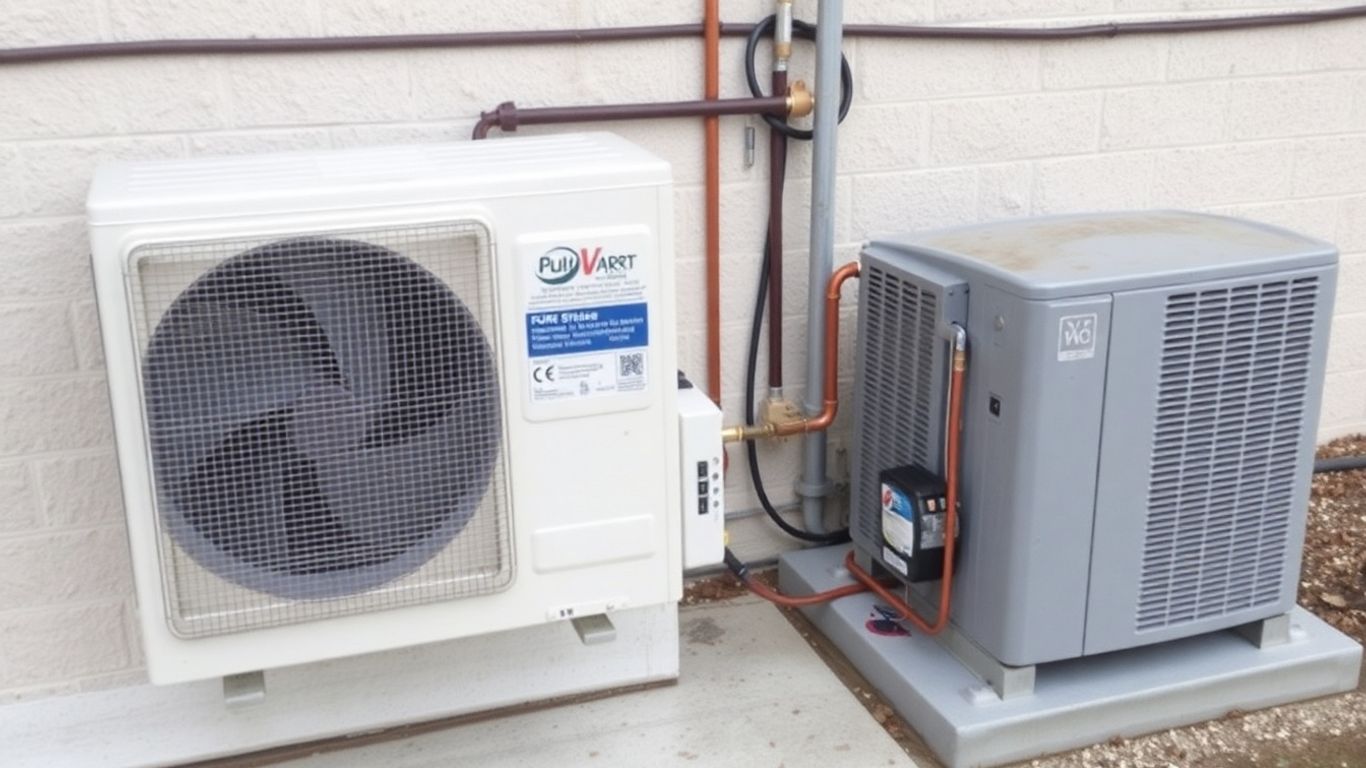
Installing a split system, whether mono or multi, is no small feat. It involves work that requires serious planning. You need to ensure your home is ready to accommodate this type of equipment. It is strongly recommended to use a qualified professional for installation. Attempting to do it yourself can lead to performance issues, gas leaks, and void your appliance’s warranty. Think carefully before you start.
Need for Structural Modifications for Running Lines
For the split system to work, the indoor unit must be connected to the outdoor unit. This is done via refrigerant lines, electrical cables, and a condensate drain pipe. These elements must pass through the walls of your home. Therefore, you will need to drill holes. The size and number of these holes will depend on the type of system and the number of indoor units. You also need to consider the sealing of these passages once the lines are installed to prevent air leaks or water ingress. This step requires precision.
Optimal Placement of Indoor and Outdoor Units
The choice of unit placement is really important for the efficiency of your air conditioner. For the indoor unit, it should be placed high up, in an unobstructed area, away from obstacles that could hinder air distribution. Avoid placing it directly above a radiator or near a heat source. For the outdoor unit, it should be installed in a well-ventilated area, protected from the elements if possible, and above all, easily accessible for maintenance. Poor ventilation of the outdoor unit can reduce its performance and increase its energy consumption. You also need to consider the noise impact on you and your neighbours. It is advisable not to place it near windows or bedrooms. For good air distribution, it is best to place the indoor unit in a central location in the room, taking into account existing airflow.
Importance of Accessibility for Maintenance
An air conditioning system requires regular maintenance to function correctly and last over time. This includes cleaning filters, checking the refrigerant circuit, and general appliance inspection. If the units, especially the outdoor unit, are difficult to access, these maintenance operations will become complicated, or even impossible. A professional will need space to work safely. Therefore, consider accessibility from the installation phase. Regular maintenance helps maintain healthy air and prevent costly breakdowns.
Here are some points to consider for placement:
- Indoor units:
- Place high up (generally 2 to 2.5 metres from the floor).
- Avoid direct sunlight exposure.
- Leave free space around for good air circulation.
- Outdoor unit:
- Ensure good ventilation (no obstructions in front).
- Protect from the elements (rain, snow) if possible, without hindering ventilation.
- Ensure easy access for maintenance.
- Respect distances from windows and neighbours for noise.
Maximum Distances and Technical Constraints
The installation of a split system, whether mono or multi, involves respecting certain distances to ensure its proper functioning and efficiency. These technical constraints are in place to ensure that heat transfer occurs under the best possible conditions.
Length Limits for Refrigerant Lines
The distance between the indoor unit and the outdoor unit is not unlimited. These lines, composed of refrigerant pipes and electrical cables, have a maximum length that must not be exceeded. For a monosplit system, this limit is generally between 15 and 35 metres. If you opt for a multisplit system, the total length of the lines for all indoor units connected to a single outdoor unit can extend up to 40, or even 80 metres, depending on the models. Exceeding these lengths can lead to a significant drop in your air conditioner’s performance and increased energy consumption. It is therefore important to plan the placement of the units from the outset, taking these constraints into account. Be sure to consult your appliance’s documentation for your model’s specific details.
Height Difference Tolerances Between Units
In addition to horizontal distance, the height difference between the indoor and outdoor units is also an important factor. Most manufacturers allow for a height difference ranging from 10 to 20 metres. This means the outdoor unit can be installed lower or higher than the indoor unit, within a certain range. Too large a height difference can affect the circulation of the refrigerant fluid and, consequently, the system’s efficiency. If your installation requires a greater height difference, it is advisable to consult a professional to assess feasibility and necessary adaptations. Good installation planning can help you avoid these problems and optimise your air conditioner’s operation.
Impact of Distance on Energy Efficiency
The further apart the indoor and outdoor units are, the harder the system has to work to transport the refrigerant fluid. This translates into increased energy consumption. Pressure drops in the pipes increase with length, forcing the compressor to work harder. It is therefore always preferable to minimise the distance between the units as much as possible, without compromising optimal placement for air distribution. A well-thought-out installation, respecting the recommended distances, not only contributes to your system’s energy efficiency but also to its longevity. Careful installation is a guarantee of comfort and peace of mind, much like having a well-configured home automation system for your connected home.
Respecting maximum distances and height difference tolerances is a key step in ensuring the performance and durability of your split system. These technical constraints are not there to complicate installation, but rather to ensure that the system functions as intended and consumes as little energy as possible. A good understanding of these elements will allow you to make informed choices when purchasing and installing your equipment.
To Conclude
You now have a better understanding of how split air conditioning systems work, whether they are monosplit, bisplit, or multisplit. The choice between these different configurations will depend on your specific needs: a single room to treat, two distinct zones, or a broader need for multiple spaces. Don’t forget to consider the maximum distances between units, as they influence the performance and efficiency of your installation. Careful planning and, if necessary, the intervention of a professional will guarantee you optimal comfort and worry-free use of your air conditioning system.
Frequently Asked Questions
How does a split air conditioner work?
A split air conditioner works using a special cycle that uses a liquid (refrigerant fluid). This liquid travels between an outdoor unit and an indoor unit. It captures heat in the room to release it outside, making the air cooler. It’s a bit like a refrigerator, but bigger and for a house!
What is the difference between a monosplit and a multisplit?
A monosplit is simple: one outdoor unit connected to one indoor unit. It’s perfect for cooling just one room. A multisplit is more powerful: one outdoor unit can manage multiple indoor units, up to five! This allows you to cool several rooms at the same time, each with its own temperature.
What exactly is a bi-split?
The bi-split is a middle ground. It has one outdoor unit connected to two indoor units. It’s ideal if you want to control the temperature of two rooms separately, for example, your living room and your bedroom. You can set each room as you wish.
Is it complicated to install a split air conditioner?
Yes, installation requires some work. You need to run pipes and cables between the outdoor unit and the indoor units. You also need to make a hole in the wall. That’s why it’s really recommended to use a professional to ensure everything is done correctly and safely.
What is the maximum distance between the units?
The distance between the outdoor unit and the indoor units has a limit. For a monosplit, it can be up to about 15 to 35 metres. For a multisplit, the total pipe length can be longer, up to 80 metres. If the units are too far apart, the system may not work as well and consume more.
Can the units be installed anywhere?
You need to choose the location carefully. The indoor unit is generally placed high on a wall to distribute air well. The outdoor unit must be outside, in a place where it has air, where it is accessible for maintenance, and if possible, somewhat protected from the weather. You also need to respect distances from walls for good air circulation.
