
Wondering how an air humidifier works? It’s true that when you look at these small devices, you can’t imagine everything happening inside. Between steam and ultrasonics, there are real differences. Before making your choice, it’s better to understand the basics. Here, we’ll review the mechanisms, advantages and limitations of each technology, so you know what to expect and can choose the device that suits you best.
Key Points to Remember
- Steam humidifiers heat water to produce steam, which eliminates most germs but uses more energy.
- Ultrasonic models create a cool mist using vibrations; they are quiet and economical but require regular maintenance.
- Water quality is important: limescale and minerals can damage the device or leave white deposits.
- Frequent maintenance limits the risk of bacteria and extends the humidifier’s lifespan, whatever the technology.
- The choice depends on the size of the room, tolerable noise, allergies, and desired energy consumption.
Understanding the Principle of How Air Humidifiers Work
The Basic Mechanisms of Humidification
To change the humidity level in your home, a humidifier works by adding water to the ambient air. This can be done using several processes, such as natural evaporation, warm steam, or ultrasonics. The device draws in dry air, passes it over or through a moist surface (filter, disk, or membrane), and then expels this air enriched with water in the form of steam or mist. Every technology aims for a simple goal: maintaining a healthy environment thanks to a humidity level tailored to your daily needs.
The Main Processes Used:
- Evaporation: Natural transfer of humidity as air passes over a damp surface.
- Warm steam: Water is brought to the boil, producing steam which is then released into the room.
- Ultrasonics: Ultrasonic vibrations break water into fine droplets, creating a visible cool mist.
- Air washer: Rotating disks capture and wash the air, combining gentle humidification and particle removal.
Key Differences Between the Technologies
Each technology stands out by its way of adding water to the air and by its maintenance. For example, an ultrasonic humidifier produces a fine mist in a few minutes, ideal for quickly increasing the humidity level. Evaporation, meanwhile, uses no heat, offering an almost silent operation. Air washers, less common but favoured for their dual purification-humidification function, work without consumables and also capture dust and pollen.
Here is a comparison table of the main technologies:
| Technology | Rapid Humidification | Sound level | Maintenance | Safety | Air filtration |
|---|---|---|---|---|---|
| Evaporation | No | Very low | Medium | High | No |
| Warm steam | Yes | Medium | Low | Medium | No |
| Ultrasonics | Yes | Low | High | High | No |
| Air washer | No | Variable | Medium | High | Yes |
Importance of Humidity Level for Indoor Comfort
Maintaining an optimal humidity level creates more comfortable air and limits problems such as a dry throat, tight skin, or the spread of dust. Humidity is measured simply, most often using relative humidity, i.e. a percentage between 40% and 60% for a healthy indoor environment (measuring air humidity). Using a humidifier suited to your space helps balance the dry air caused by heating or air conditioning, and reduces the risk of irritation or allergies.
Air that is too dry in your home is not only uncomfortable: it makes breathing tiring and increases the spread of viruses. Adjusting your home’s humidity means investing in the comfort and health of the whole family.
Steam Humidification: Operation and Specificities
Transformation of Water into Warm Steam
The principle of steam humidifiers is based on a rather familiar process: water is heated to boiling point and then turned into warm steam released into the air. This process, reminiscent of how a kettle works, ensures that the steam emitted is practically free of germs, making it a reassuring option for your indoor environment. Generally, a system of heating elements or electrodes provides the necessary heat for this transformation.
Advantages of Steam Diffusion
With warm steam, you benefit from air that is both efficiently and hygienically humidified. Here are some key points to consider:
- Emission of sterile steam, as boiling water eliminates most pathogens.
- The device doesn’t require any cartridges or filters to operate, simplifying everyday use.
- Slight increase in room temperature, particularly pleasant in the depths of winter.
This type of humidifier is especially suitable for those wishing to reduce the presence of microbes. There are also models able to humidify relatively large rooms, which can be useful if you have several spaces to cover, similar to systems used in some central management devices like advanced smart home solutions.
Constraints and Precautions When Using Steam Devices
However, some aspects must be monitored when using a steam humidifier:
- High electricity consumption compared to other technologies, as heating water requires a lot of energy.
- Burn risk, especially for young children or animals who may come close to the device.
- Regular build-up of limescale if the water is highly mineralised (hard). Thus, frequent maintenance is necessary.
- Placement is important: avoid placing the device against a wall or furniture to prevent condensation or mould growth.
| Criterion | Main advantage | Necessary precaution |
|---|---|---|
| Steam quality | Sterile steam | Possible limescale deposits |
| Safety | No filter to change | Beware burns |
| Room temperature | Slight warming |
Choosing a steam humidifier is never trivial and requires balancing hygiene, energy cost, and safe usage. Suitable maintenance will ensure optimal operation over the long term.
Ultrasonic Humidifiers and Their Method of Action
Generation of Mist by Ultrasonic Vibrations
You’ve probably noticed the fine mist coming from an ultrasonic humidifier. This phenomenon is explained quite simply: a small membrane inside the device vibrates at a very high frequency. This vibration turns water into microscopic droplets, which are dispersed into the air by a fan. This technology makes it possible to humidify the air quickly with a clearly visible mist, without needing heat.
- The ultrasonic membrane vibrates thousands of times per second.
- Water is broken up, creating a cool mist.
- A fan diffuses this mist throughout the room.
This results in an immediate feeling of freshness whilst increasing the ambient humidity level without risk of burns.
Technical Features of an Ultrasonic Nebuliser
An ultrasonic nebuliser has characteristics which explain its popularity. Firstly, it uses little electricity, which is convenient for continuous use. The device is generally compact. But that’s not all:
- Cool mist, so no thermal risk
- Silent operation, perfect for a bedroom
- Rapid effectiveness even in medium-sized rooms
- Limited range, mainly for small spaces
Here is a summary table to compare some common technical criteria:
| Criterion | Ultrasonic humidifier |
|---|---|
| Power consumption (W) | 20 to 35 |
| Best suited area (m²) | 15 to 30 |
| Noise level (dB) | 20 to 35 |
| Average tank size (L) | 2 to 4 |
Maintenance and Hygiene When Using Ultrasonics
It’s essential to keep up with the maintenance of ultrasonic humidifiers, as their technology does not destroy bacteria or minerals present in water. You might see a white powder appear on furniture if the water is high in limescale. To keep the device clean and avoid spreading microorganisms or mineral deposits:
- Change the water every day or two days.
- Clean the tank regularly with white vinegar (not recommended if your device is incompatible).
- Favour demineralised or filtered water to avoid deposits.
Regular maintenance ensures not only the system’s efficiency but also the quality of air disseminated in your living space.
Comparison Between Steam and Ultrasonic Technology
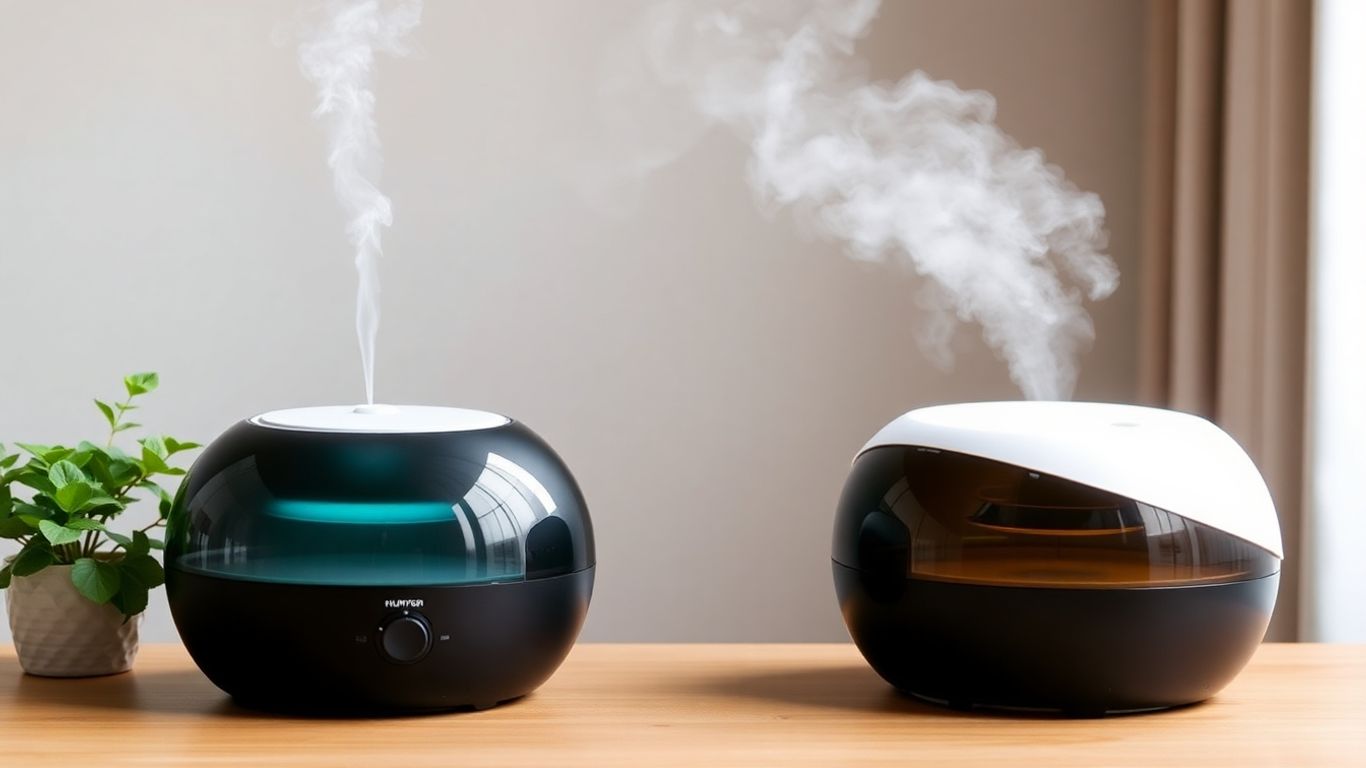
When choosing an air humidifier, it’s natural to wonder about the real differences between steam and ultrasonic technology. Each has its own particularities, with direct impacts on your daily comfort.
Results in Ambient Air Humidification
The steam humidifier uses heat to emit warm water vapour, while the ultrasonic device uses rapid vibrations to project a fine, cool mist into the air. Here is a comparison table for a clearer understanding of their performance:
| Criteria | Warm steam | Ultrasonic |
|---|---|---|
| Humidity speed | Medium to high | High |
| Output temperature | Warm | Cool |
| Control precision | Good | Variable by model |
| Range in the room | Medium to wide | Limited to medium |
Effects on Health and Allergies
- Steam: The heat eliminates most germs, reducing the risk of bacterial dispersion. Suitable for sensitive people or children, as long as you avoid any direct contact with the steam to prevent burns.
- Ultrasonics: As the water is not heated, you must pay close attention to the cleanliness of the tank. Stagnant or polluted water can encourage the release of bacteria or mould into the air.
- Allergies and safety: More humid air relieves certain symptoms, but device hygiene is crucial, especially for ultrasonics.
A poorly maintained device, whatever the technology, can quickly turn a good intention into a health problem – always keep an eye on cleaning and water quality.
Power Consumption and User Safety
- Warm steam: Uses clearly more energy, as water must be boiled. The presence of heating elements also requires care to avoid burns or accidents, especially if you have children at home.
- Ultrasonics: Low energy consumption, quiet operation. The risk lies less in physical safety and more in mist hygiene.
Main points to keep in mind when choosing:
- Safety: warm steam can cause burns, especially in children’s rooms.
- Maintenance: ultrasonic devices require more frequent maintenance to avoid bacterial growth.
- Consumption: consider the effect on your electricity bill, especially with prolonged use.
Ultimately, the choice depends on your specific needs, the size of your room, and the level of vigilance you are prepared to give maintenance.
The Impact of Water Quality on Air Humidifier Performance
The water you use directly affects the performance and lifespan of your humidifier. It may seem trivial, but the difference between hard and filtered water can change everything.
Role of Limescale and Minerals in Performance
Hard water gradually leaves a fine white dust around certain humidifiers, especially ultrasonic models. This is neither pleasant to look at nor ideal for those with respiratory allergies. Mineral build-up can disrupt the function of internal components, possibly causing blockages or early wear. If you quickly notice limescale in the tank or on the sides, your water is probably very hard.
| Type of water | Mineral-related risks | Compatible with all technologies? |
|---|---|---|
| Hard tap water | Limescale deposit, marks | No |
| Filtered water | Low deposit | Yes |
| Distilled water | No deposit | Yes |
To reduce the effects of limescale, you can invest in a smart home system that includes water and air quality control, a practical solution for constant comfort and easier management.
The Need for Water Treatment or Filtration
In most areas, tap water is fairly hard. Without filtering or using distilled water, you risk:
- Increasing the frequency of device cleaning.
- Noticing white marks on your furniture.
- Experiencing reduced efficiency, especially for ultrasonics.
A simple filter can already limit mineral deposits, but it should be changed according to the manufacturer’s recommendations. Some humidifiers feature an anti-limescale filter, which is handy for reducing technical problems.
Consequences of Unsuitable Water on Devices
If you use unsuitable water, the effects can soon be noticeable. You may notice:
- Partial or complete blockage of nozzles and diffusers.
- Deterioration or corrosion of metal parts.
- Increased development of bacteria and mould in the tank or on damp surfaces.
Poorly chosen water reduces humidifiers’ lifespan and creates more maintenance.
In short, take the time to choose your water well, whether opting for filtered, distilled, or incorporating a filtration system. A few simple precautions avoid a lot of hassle and help keep indoor air quality high for longer.
Maintenance and Durability of Different Humidification Systems
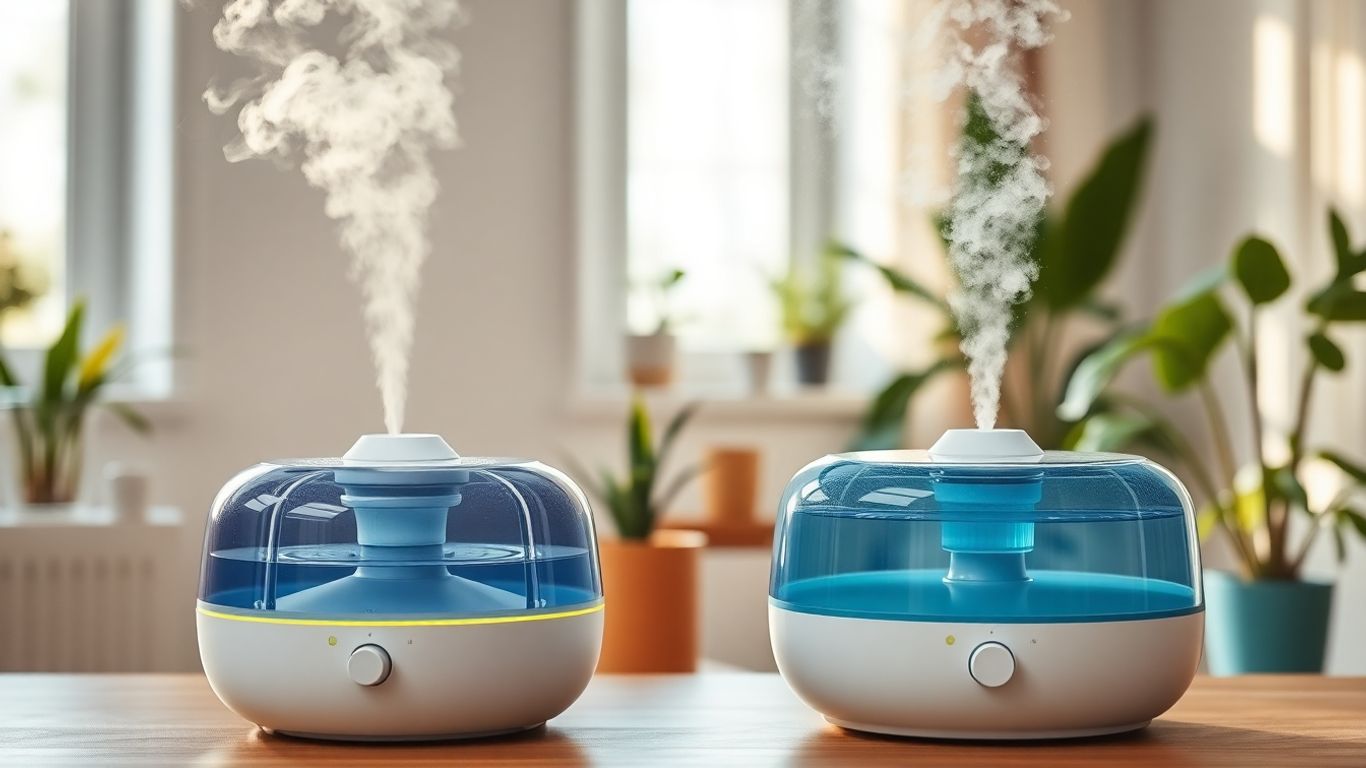
The lifespan and efficient operation of a humidifier largely depend on regular maintenance suited to each technology. Whether you have chosen a steam, ultrasonic, evaporation, or air washer model, the right habits to adopt vary subtly—but their importance is always the same.
Recommended Cleaning Frequency for Each Technology
It’s advised to match cleaning frequency to the technology used:
| Type of humidifier | Main maintenance | Minimum frequency |
|---|---|---|
| Warm steam | Descaling / draining | Once a week |
| Ultrasonics | Rinsing / disinfecting | 2 to 3 times a week |
| Evaporation (filter) | Cleaning + filter replacement | Weekly + every 3 to 6 months |
| Air washer (disks) | Rinsing tray and disks | Every 8 to 10 days |
Regular cleaning of components prevents mineral build-up and extends the device’s life, which in turn protects the air quality at home.
Preventing Microbial Growth
To limit bacteria or mould growth in your humidifier:
- Completely empty the tank and let it dry between refills
- Use filtered or sterilised water if recommended by the manufacturer
- Disinfect the tank periodically with appropriate products (white vinegar or specialised solutions)
- Replace filters or accessories at the recommended frequency
These are simple measures, but sticking to them really makes the difference, especially if you use the device daily during winter.
Component Lifespan Considerations
Components—heating elements, membranes, filters or disks—do not all have the same resistance to wear and tear.
- Steam devices may have their element scaled up more often
- Ultrasonic membranes need replacing if they become opaque or ineffective
- Evaporator filters clog and lose efficiency over time
- Air washer disks are generally robust, but may become damaged if neglected
When choosing a device, take into account the cost and availability of spare parts. The models selected in the 2025 comparison vary greatly on this point.
With proper upkeep, you avoid breakdowns, limit your exposure to mineral dust, and ensure several years of service from your humidifier. It’s a little effort for healthy, comfortable indoor air.
Choosing the Right Humidifier: Selection Criteria
Room Size and Desired Noise Level
To choose the right humidifier, start by estimating the area where you want it to work. A device sized for a small space will not be able to maintain sufficient humidity in a large living room. Manufacturers usually state the coverage area. Something else to consider: noise, especially from ultrasonic models. If you are sensitive to noise, check the decibel level, particularly for use at night or in a child’s bedroom.
| Room size | Recommended output | Recommended noise level |
|---|---|---|
| < 20 m² | < 150 ml/h | < 35 dB |
| 20-40 m² | 150-300 ml/h | < 40 dB |
| > 40 m² | > 300 ml/h | < 45 dB |
Sensitivity to Allergies and Special Needs
Air quality has a direct impact on your respiratory comfort. Steam models are more hygienic for allergy sufferers: the steam naturally kills most germs present in water. For ultrasonics, filtration is central. It may be wise to choose a device with an antibacterial filter if you want to limit allergen dispersion. Some models even allow you to add essential oils for a more pleasant environment. Of course, also consider the recommended cleaning frequency for your specific needs:
- Prioritise models that are easy to clean if you suffer from allergies.
- Consider a humidifier with programmable options if you want to keep a close watch on the ambient humidity.
- Adding specific filters or antibacterial accessories can be a real plus.
If your home includes sensitive people or children, safety and ease of maintenance are factors never to overlook when choosing.
Balance Between Performance and Energy Savings
The balance between efficiency and low energy consumption should guide your final decision. Some models, such as evaporative humidifiers, stand out for their low electricity use but require regular filter changes. Steam versions mean slightly higher electricity usage but offer hygienic output with no mineral deposits. For those seeking to optimise every energy expense in the house, a global smart home approach can really maximise comfort and ease of use of your appliances.
Before buying, take time to compare:
- Estimated annual electricity use
- Accessory costs (filters, disinfectant, etc.)
- Auto-off features or humidity detectors
A good device, well-chosen, adds to your health and budget, while making everyday life easier. Selecting a humidifier according to your real needs is not just about raw performance, but about harmony between comfort, economy, and simplicity of use.
Conclusion
To sum up, choosing a suitable air humidifier mainly depends on your needs and environment. Warm steam models are efficient at cleansing the air, but they use more energy and require caution, especially around children. Ultrasonic humidifiers are appreciated for their silent operation and speed, but need regular cleaning to prevent bacteria growth and limescale deposits. Each technology has its advantages and limitations. Take the time to think about how you will use it, the size of the room, and the quality of water you have at home. With these points in mind, you can improve indoor comfort while minimising the problems associated with dry air.
Frequently Asked Questions
What is the main difference between a steam humidifier and an ultrasonic humidifier?
A steam humidifier heats water to create warm steam, whereas an ultrasonic humidifier uses vibrations to turn cold water into a fine mist. The former warms the room slightly, while the latter stays cool and uses less electricity.
Are ultrasonic humidifiers suitable for children?
Yes, ultrasonic humidifiers are well suited for children’s bedrooms as they do not heat the water, so there is no risk of burns. You just need to clean the device regularly.
Is special water needed in a humidifier?
It is best to use filtered or demineralised water, especially for ultrasonic devices. This avoids the formation of white deposits or limescale, and protects your device.
How do you keep your humidifier free from microbes?
It’s advised to empty the water daily and clean the tank at least once a week. For ultrasonics, regular descaling is also important. This limits bacteria growth and keeps the air healthy.
Do steam humidifiers use a lot of electricity?
Yes, steam humidifiers use more energy because they have to heat the water. Ultrasonic and evaporation models use less electricity and are therefore more economical in the long term.
Can a humidifier help with allergies?
Yes, well-humidified air can soothe airways and reduce allergy symptoms. Steam models are often recommended as the warm steam kills germs, but whichever model you use, regular cleaning is essential.
