
You’ve surely already heard of stale air, but do you really know what it means? Sometimes, we’re not even aware that the air in our homes or offices isn’t as healthy as it should be. Stale air is a bit like an old lingering smell or a sensation of discomfort that won’t go away. It settles in gently, often without us realising. Yet, it can affect your well-being, especially if nothing is done to remove it. In this article, we’ll look at what stale air is (stale air definition), how to spot it and, most importantly, how to prevent it from making its home at yours.
Key points to remember
- Stale air is indoor air that has become loaded with pollutants and is no longer healthy to breathe.
- It can come from our daily activities, furniture, or heating appliances.
- Signs such as unusual smells, headaches or a feeling of stuffiness can alert you.
- There are tools available to measure the air quality in your home and detect the presence of stale air.
- Regular airing, maintaining the ventilation, and limiting sources of pollution are the best ways to avoid stale air.
Definition of stale air and its specific features
The term ‘stale air’ comes from the language used in public health and indoor environment fields. It simply describes air that has lost its freshness due to the build-up of undesirable substances or poor circulation. When you hear about stale air, it refers to confined air, depleted in oxygen and enriched with harmful elements.
Characteristic components of stale air
Stale air contains a combination of substances that build up over time and depend on usage:
- Carbon dioxide (CO₂) produced by human or animal respiration
- Volatile organic compounds (VOCs) from cleaning products, certain furniture, or building materials
- Dust, dust mites, pollen or mould accumulating in poorly ventilated spaces
- Persistent odours from cooking or tobacco
Here is a summary table of the main pollutants in stale air:
| Pollutant | Main source |
|---|---|
| CO₂ | Respiration, combustion |
| VOCs | Cleaning products, varnishes |
| Fine particles | Dust, cooking |
| Excess humidity | Showers, washing-up |
Differences between stale air and polluted air
It’s common to confuse stale air with polluted air. However, the distinction is important:
- Stale air mainly refers to indoor air saturated with common pollutants and odours, due to a lack of ventilation.
- Polluted air usually means a more serious form of contamination, often external, from toxic products or industrial pollution.
- Stale air can exist without any major external event, often due to neglect of ventilation systems or day-to-day maintenance.
The signs of stale air in a living space are not always visible at first glance, but you may be faced with them daily without knowing it.
Finally, taking care of air circulation at home, for example by installing modern systems like a centralised home automation box, is already a step towards a healthier indoor environment.
The main sources of stale air inside buildings
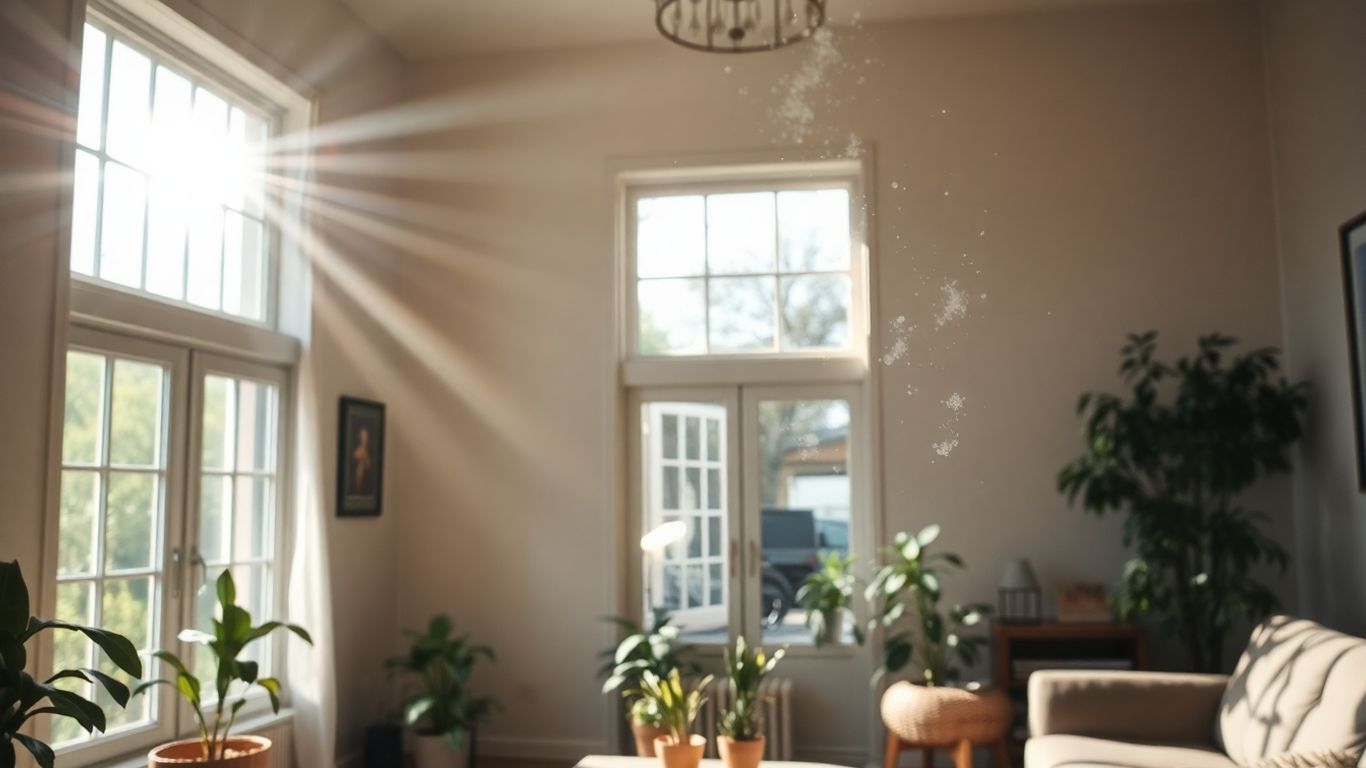
The air you breathe indoors every day is never perfectly pure. At any moment, different activities or elements in your home can release polluting substances into the indoor atmosphere. Even if it’s not always immediately obvious, some sources are well known.
Emissions from human activity
You might not realise it, but your own daily habits affect the quality of the air in your home:
- Respiration of occupants, which releases CO₂ and humidity.
- Cooking, especially frying or oven use, which spreads grease and particles.
- Cleaning, washing, or frequent use of household products, sometimes rich in volatile organic compounds.
When several people live under the same roof and spend long hours there, the ambient air is loaded even faster with pollutants from daily life.
Pollutants linked to materials and furnishings
The choice of materials in construction or furnishing your home also plays a decisive role:
- Paints or varnishes release VOCs (volatile organic compounds).
- New composite wood furniture can emit formaldehyde.
- Floor coverings, carpets or synthetic curtains sometimes release fine particles or fibres.
Not to mention the particular case of gases from the ground, such as radon, which can infiltrate certain dwellings, as you can read on this page about contaminant infiltration from the ground.
Contribution of domestic combustion appliances
Heating or cooking by combustion (gas, coal, wood) is also a significant source of stale air. Here are the appliances commonly involved:
- Wood-burning stoves
- Traditional fireplaces
- Gas water heaters or gas cookers
These appliances produce, during use, gases such as carbon monoxide or particulates, which can quickly affect the indoor environment and your health if ventilation is inadequate.
Indicators for recognising the presence of stale air
Identifying stale air at home isn’t always straightforward. However, a few signals can really alert you if you pay attention. These are often bodily sensations, small details in the atmosphere of your home, or even more precise information provided by suitable tools.
Symptoms felt by occupants
One of the first ways to suspect a problem with indoor air is what you and those around you feel each day.
- Frequent headaches at the end of the day
- Feeling tired, lacking energy with no clear reason
- Eyes, nose, or throat irritation
- Worsening allergies indoors
If you notice these problems disappear when you leave home, it could indicate that your indoor air quality is unsatisfactory. For a detailed explanation of these reactions, see the examples of symptoms linked to poor air quality.
Visible signs and suspicious odours
Besides how you feel, some clues at home can give you a heads-up:
- Persistent stuffy or musty smell
- Signs of damp, condensation on windows
- Black deposits around ventilation grilles or on walls
Sometimes a lingering smell or mist that never clears is enough to realise that the air is not being renewed properly.
Measuring indoor air quality
To go further, there are ways to concretely measure the presence of stale air. Using a detector is often the most reliable way to get an immediate idea:
| Indicator | Recommended threshold | Stale air risk if exceeded |
|---|---|---|
| CO₂ (carbon dioxide) | < 1000 ppm | Yes |
| Relative humidity | 40-60 % | Yes |
| VOCs (volatile organic compounds) | < 300 µg/m³ | Yes |
To interpret these figures, note if the values remain high even after airing the room. This will tell you if the problem is occasional or chronic.
Health risks associated with prolonged exposure to stale air
Prolonged exposure to stale air can cause multiple health problems for occupants of a property. You may not necessarily feel these effects overnight, but over time, they accumulate and create noticeable discomfort, or even more serious illnesses.
Immediate effects on health
When you breathe air loaded with indoor pollutants, reactions are sometimes direct. Here are the main symptoms you might experience:
- Irritation of the eyes, nose or throat
- Dry cough or breathing difficulties
- Unusual tiredness and persistent headaches
A constant feeling of discomfort in certain rooms should always be a warning sign.
Long-term consequences
The build-up of polluting substances in enclosed spaces, like formaldehyde or fine particles, can weaken your body over time:
- Increased risk of chronic respiratory illnesses (asthma, bronchitis)
- Impaired lung function
- Onset of allergies or worsening of existing conditions
| Main pollutant | Possible long-term consequences |
|---|---|
| Volatile organic compounds (VOCs) | Immune disorders, chronic irritations |
| Fine particles | Bronchitis, worsening asthma |
| Carbon monoxide | Toxic to the heart and brain |
Population groups particularly at risk
Certain people are more exposed to risks if they regularly breathe unhealthy air:
- Young children and the elderly
- People with asthma or chronic illnesses
- Pregnant women
Even without any smell or smoke, indoor air can still contain invisible compounds that are harmful to your health. Careful and regular maintenance of domestic ventilation is a simple action that protects the whole household. You’ll find practical maintenance tips on solutions tailored to home automation.
Diagnostic methods for stale air in the home
Identifying stale air indoors is not always easy, but there are several approaches that make the task simpler. You can use specific measuring tools or professional expertise for an accurate assessment of your air quality. Whether you are simply concerned about your well-being or undertaking renovations, there are solutions suited to your situation.
Professional analysis of indoor air
The intervention of specialists is recommended for a detailed picture of pollutants present. These professionals use calibrated equipment to detect:
- The concentration of main gases (CO2, formaldehyde, etc.)
- Fine particulates (PM2.5 and PM10)
- The presence of volatile organic compounds
The reports often include personalised recommendations for optimising the general condition of your home, based on the results obtained. If you wish to go further in an ecological or smart home approach, many experts such as those at E-HOME offer tailored advice.
Home detection devices
At home, several devices allow you to continuously monitor certain parameters. Among common solutions:
- Domestic CO2 sensors that are easy to install
- Digital display VOC detectors
- Air sampling kits sent to a laboratory
Even though these tools give a first idea, it’s important to know how to interpret the results and to vary measurements according to rooms and times of day.
Taking the time to measure indoor air in different parts of your home often has surprises in store, as pollution varies greatly depending on use, ventilation and the materials present.
Interpreting measurement results
Faced with the data collected, reading the figures can seem complex. To help you find your way:
| Pollutant | Recommended value |
|---|---|
| CO2 | < 1000 ppm |
| PM2.5 | < 10 µg/m3 |
| Formaldehyde | < 10 µg/m3 |
| Total VOCs | < 300 µg/m3 |
- Always compare your readings to guideline values.
- Take into account the season and occupancy of the home.
- If limits are exceeded, review your ventilation or limit polluting sources.
In summary, a reliable diagnosis combines human observation (symptoms, smells) and measured data. This then makes it possible to target actions to improve your quality of life.
Effective solutions for removing stale air
Air renewal by controlled mechanical ventilation
Controlled mechanical ventilation (CMV) remains the most reliable method of ensuring a constant renewal of indoor air. With suitable systems, you can extract stale air from damp rooms while bringing in healthier air from outside. Installing a CMV helps to limit humidity and prevent the build-up of pollutants in the home. There are different types of CMV:
- Single flow: extracts air from main rooms.
- Double flow: recovers heat from extracted air to preheat incoming air.
- Humidity-controlled: automatically adjusts extraction power according to humidity level.
| Type of CMV | Estimated cost (installation) | Main advantage |
|---|---|---|
| Single flow | £350–£800 | Economical solution |
| Double flow | £1,700–£3,500 | Thermal comfort, savings |
| Humidity-controlled | £800–£1,300 | Adapted reduction in humidity |
For best results, it’s advisable to maintain your ventilation system regularly and monitor its performance.
Natural ventilation and good practices
Regularly opening windows is still a simple and effective way to improve air quality, especially if there’s no automatic ventilation system. It’s recommended to air rooms several times a day, in particular:
- After cooking or cleaning.
- When using chemicals or doing DIY.
- In the morning and before sleeping to renew bedroom air.
Don’t forget cross-ventilation: opening windows on opposite sides of a property helps to clear polluted air more quickly.
Using air filtration and suitable filters
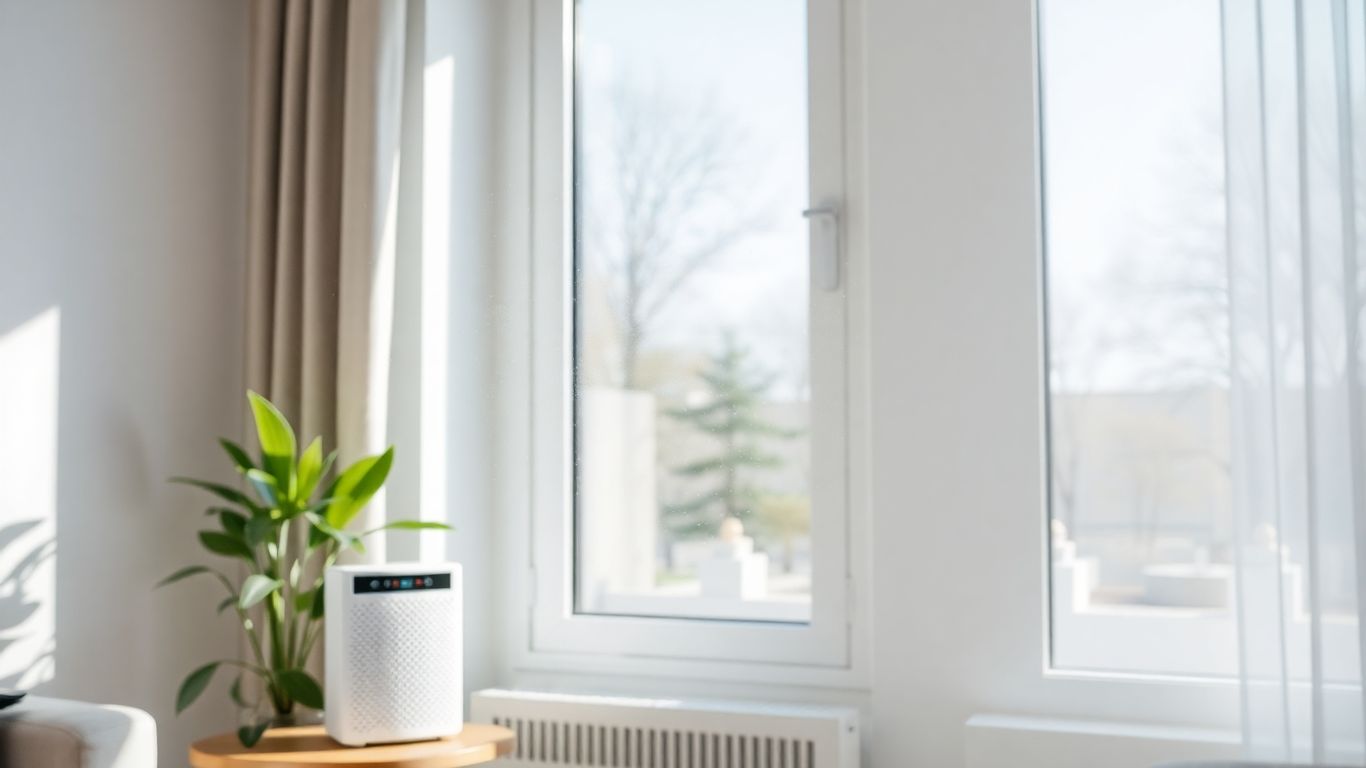
For specific needs or as a supplement to other methods, using air purifiers with efficient filters can help remove various particles and harmful substances.
- Capture fine particles (HEPA).
- Neutralise odours (activated carbon).
- Limit allergens or chemical compounds in the air.
However, these solutions never replace regular air renewal. Purifiers are mostly useful in rooms where ventilation is difficult, or for people sensitive to allergens.
In all situations, it’s important to strike a balance between performance, comfort, and ease of use to ensure healthier indoor air for you and your loved ones.
Prevention and maintenance for limiting the formation of stale air
Household habits to adopt
To limit the appearance of stale air at yours, it’s useful to adopt a few simple but effective habits:
- Open the windows each day, even in winter, to renew the room air.
- Avoid smoking indoors or spraying unnecessary chemical products.
- Favour natural cleaning products or those labelled as low-emission.
- Dry laundry outside if possible to reduce excess humidity.
Taking a few minutes each day to let air circulate can already change the atmosphere at home, and your health can really benefit.
Maintenance of ventilation systems
Even the best mechanical ventilation doesn’t work without a bit of regular attention. Clogged filters directly harm the quality of indoor air.
Here’s how to stay vigilant:
- Check and clean vent grilles every three months.
- Change filters, according to the manufacturer, two or three times per year.
- Check that the CMV is working properly and limit dust build-up around it.
Periodic maintenance not only preserves the performance of your installation, but also prolongs its service life.
Reducing pollutants at the source
To limit production of stale air at its source, several approaches should be adopted:
- Opt for materials and furniture certified for low emissions (A+ label for example).
- Add air-purifying plants that can help filter out some toxins.
- Isolate or maintain your combustion appliances to prevent leaks.
- Ventilate well after using solvents, glues or paints.
The choice of layout and equipment in your home strongly influences indoor air health. For tips on optimising your space while reducing your environmental footprint, see the ideas offered at ethical and connected living.
Conclusion
To sum up, it’s important not to underestimate stale air in your home or workplace. You’ve seen that there are simple ways to spot it, such as persistent smells or a feeling of stuffiness. Taking time to air out rooms every day, check ventilation systems and look after equipment can really make a difference. By acting regularly, you protect your own health and that of your loved ones. These are simple actions, but they matter a lot in daily life.
Frequently Asked Questions
What exactly is stale air?
Stale air is indoor air that has become unpleasant to breathe due to the presence of pollutants, odours, or humidity. It is no longer healthy for people living in the home.
How do I know if the air in my home is stale?
You can spot it by unpleasant odours, mist on the windows, or if you experience headaches, fatigue, or irritation of the eyes and nose.
What are the dangers of breathing stale air long term?
Breathing poor-quality air for a long time can cause allergies, asthma, or other respiratory illnesses. Certain people, like children or the elderly, are at greater risk.
What can I do to improve the air quality in my home?
Open the windows regularly to air the rooms, use mechanical ventilation if possible, and avoid smoking or using too many chemical products at home.
Is it useful to install an air purifier?
Yes, an air purifier with a good filter can help to remove some particles and odours, but it does not replace regular airing of the house.
How often should I maintain the ventilation?
It is advised to check and clean the ventilation systems at least once a year so they work properly and provide healthy air in your home.
