
Installing a thermostat in the right place is an important step to ensure good temperature regulation in your home. You may be wondering what the ideal height is for placing this device. This article will shed light on thermostat height and the best locations for optimal efficiency.
Key Takeaways
- The ideal height for installing a thermostat is generally between 1.20 m and 1.70 m from the floor, at face level, for a representative measurement of the perceived ambient temperature.
- Prefer interior walls of main living areas, such as the living room, and avoid walls facing the outside or poorly insulated ones.
- Keep the thermostat away from direct heat sources (radiators, sun) and areas prone to drafts (doors, windows) for reliable operation.
- For smart or wireless thermostats, follow the manufacturer’s recommendations regarding the sensor detection zone.
- Before any work, turn off the power supply and, for wiring, call a qualified professional if you do not have the necessary skills.
Determining the Ideal Height for Thermostat Installation
Understanding the Importance of Height for Accurate Measurement
Choosing the right location for your thermostat, and particularly its height, is a step that should not be overlooked. Poorly planned installation can lead to erroneous temperature readings, resulting in unnecessary energy consumption and unsatisfactory thermal comfort. The goal is for the thermostat to measure the air temperature as you actually feel it in the room.
The recommended height is generally between 1.20 m and 1.70 m from the floor. This range roughly corresponds to the average height of occupants and helps avoid areas that are too hot near the ceiling or too cold near the floor. Think of it as wanting the device to
Choosing the Optimal Wall Location for Your Thermostat
For your thermostat to function correctly and provide the expected thermal comfort, its location is a key step. A poor choice can distort measurements and lead to excessive energy consumption. It is therefore essential to carefully select the wall that will house your device.
Prefer Interior Walls Not Exposed to Thermal Variations
The ideal solution is to fix your thermostat to an interior wall. This type of wall is generally more stable in terms of temperature than exterior walls. A partition wall between two rooms is often an excellent choice. It allows for a more representative measurement of the ambient temperature in your home, without being influenced by external conditions.
Avoid Walls Facing the Outside or Poorly Insulated Walls
Walls facing the outside, especially if they are poorly insulated, can cause problems. They transmit external temperatures more easily, which can lead your thermostat to register a temperature lower than that of the room. This could prompt your heating system to run more often than necessary, thus increasing your energy consumption. It is therefore preferable to avoid them for more accurate regulation.
Select a Stable Interior Wall Representative of the Ambient Temperature
For reliable measurement, opt for an interior wall that accurately reflects the temperature of the room where you spend most of your time. Consider the main living area, such as the living room. The temperature measured by the thermostat should be what you actually feel. An interior wall, away from drafts and heat sources, will be the most suitable for this. The objective is to have precise data for efficient heating regulation, thus contributing to your comfort and control over your energy bills.
Identifying Areas to Avoid for Reliable Thermostat Operation
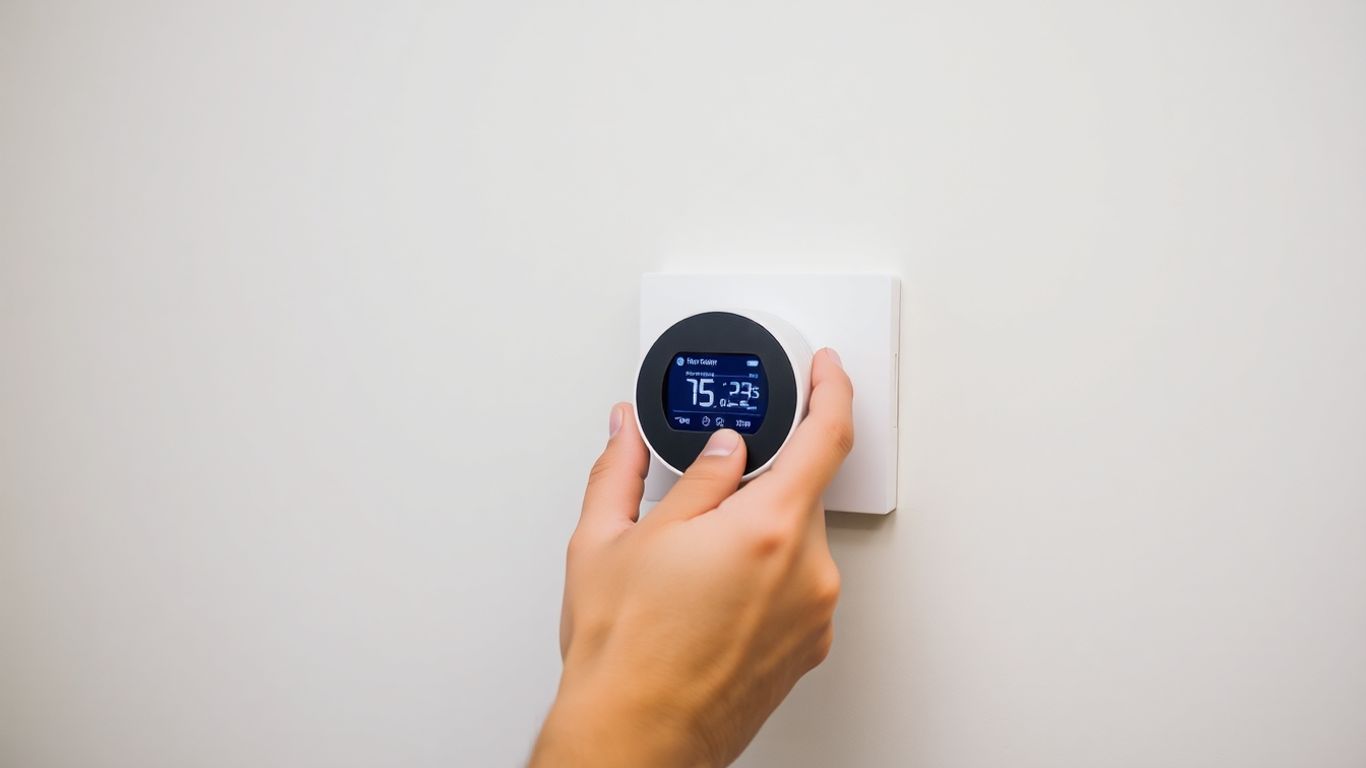
For your thermostat to measure temperature accurately and help you save energy, it’s important not to place it just anywhere. Certain areas can distort its readings and make it less effective, or even counterproductive.
Stay Away from Direct and Indirect Heat Sources
It is crucial to keep your thermostat away from elements that generate heat. This includes not only radiators (even if they are the heat source you control), but also electronic devices such as televisions, lamps, or even household appliances. Even partial exposure to sunlight can fool the thermostat. Imagine: if the thermostat is near a sunny window, it will detect a higher temperature than the room and might shut off the heating prematurely. This means the rest of your home could remain cold, while the thermostat thinks everything is fine. Allow at least one metre of distance from these sources. Remember that since 2018, installing a thermostat has been mandatory when installing a new boiler, highlighting their importance for energy efficiency [a04a].
Avoid Areas Prone to Drafts
Drafts are another enemy of accurate temperature measurement. If you place your thermostat near a frequently opened door, a poorly insulated window, or even near a ventilation outlet (VMC), it will be constantly exposed to colder air. The thermostat will interpret this as a general drop in temperature and will activate the heating more often than necessary. This is a source of energy waste and definite discomfort. Think of these areas as ‘fresh air entry zones’ and avoid them.
Protect Against Disturbances from Direct Sunlight
Direct sunlight, even for a few hours a day, can significantly affect your thermostat’s reading. A sunbeam hitting the device directly can quickly raise its internal temperature, making it believe the room is warmer than it actually is. This can lead to interrupted heating cycles and an undesirable ambient temperature. It is therefore best to choose an interior wall that is not directly exposed to sunlight, especially during the hottest hours of the day. If you cannot completely avoid exposure, ensure the thermostat is positioned to minimise this direct impact.
Optimising Thermostat Placement in the Main Room
For your heating system to work at its best and for you to enjoy constant thermal comfort, it is essential to place your thermostat in the right location. The general idea is to put it in the room where you spend the most time, as this is where the temperature will be most representative of your actual needs. This prevents the heating from running unnecessarily or, conversely, not heating enough in the main living areas.
Install the Thermostat in the Most Frequently Used Living Area
The living room is often the ideal candidate. It’s where the family gathers, where guests are received; in short, it’s the heart of the home. By placing it here, you ensure that the measured temperature corresponds to what you feel most of the time. If you have a large house with several distinct living areas, it may be wise to choose the most central room or the one that is used most often. Think about it: if the thermostat is in a bedroom that is unoccupied for a good part of the day, it may not regulate the temperature well in the living room where you are.
Ensure a Representative Measurement of Perceived Temperature
The objective is simple: for the thermostat to
Specific Considerations for Smart and Wireless Thermostats
Smart and wireless thermostats offer increased flexibility, but their installation requires special attention to get the most out of them. Unlike traditional wired models, their operation often relies on radio or infrared waves, which influences their placement.
Respect the Detection Zone of Presence Sensors
Some smart thermostats include presence sensors to automatically adjust the temperature. It is therefore important to install them in an area where these sensors can effectively detect room occupancy. Avoid placing them where obstacles might obstruct their field of vision or where irrelevant movements (such as moving curtains) could trigger unnecessary adjustments. The goal is for the thermostat to actually ‘see’ if someone is present.
Adapt Installation to Mobile or Wall-Mounted Models
Wireless thermostats, whether designed to be wall-mounted or used portably, have distinct requirements. Wall-mounted models must be positioned considering the signal range to the receiver (often near the boiler). Portable models, on the other hand, give you more freedom, but you must ensure they remain in an area where the measured temperature is representative of what you want to maintain in the main room. Consider their battery life and the need to recharge or replace batteries.
Take into Account Thermal Stabilisation Periods
After changing the location of a wireless thermostat, or after a power outage, the device needs a stabilisation period. The sensors need a few minutes to register the actual ambient temperature and for the communication system with the boiler to be fully operational. Do not expect perfect regulation immediately after installation or a change. Be patient, and observe the device’s behaviour over an hour or two to ensure it is working as expected.
Measurement accuracy is key to good regulation and energy savings.
Precautions During Installation and Electrical Connection
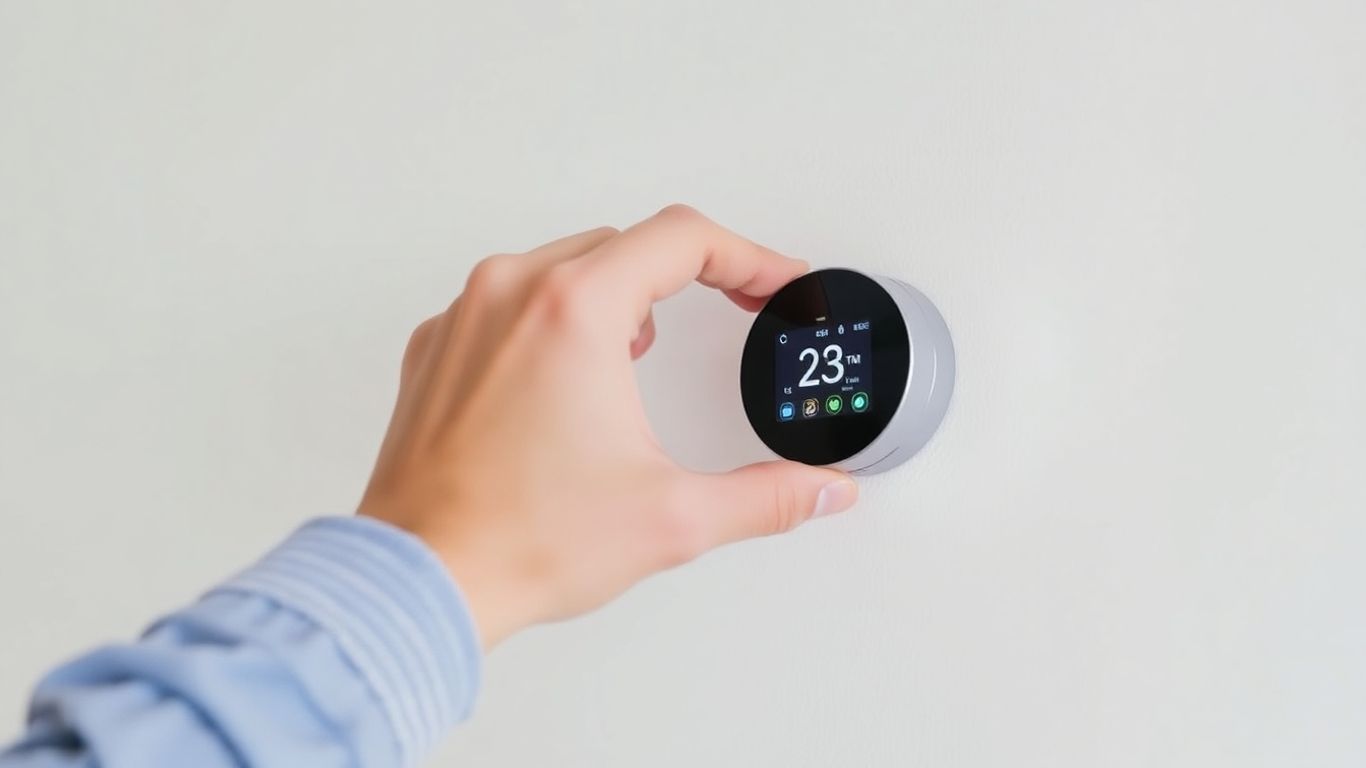
Installing a room thermostat, although often presented as simple, involves steps that require particular attention, especially when it comes to electrical connections. Ignoring these precautions can not only compromise the proper functioning of your heating system but also pose safety risks.
Mandatoryly Cut Off Power Before Any Work
Before even thinking about touching the wires, the first and most important rule is to cut off the general electrical power supply to your heating system. This means going to the electrical panel and switching off the circuit breaker corresponding to your boiler or central heating system. Do not just turn off the appliance; ensure that no current is flowing through the circuits you will be working on. A quick check with a voltage tester on the relevant terminals after turning off the power is good practice to confirm the absence of voltage.
Call a Qualified Professional for Wiring
Wiring a thermostat may seem intuitive, but there are subtleties. The wires must be connected to the correct terminals, and respecting the colours (phase, neutral, earth) is essential to avoid short circuits or malfunctions. If you do not have solid electrical knowledge, it is strongly recommended to entrust this task to a qualified electrician. A professional will know how to identify the correct cables, make connections according to best practices, and ensure that everything complies with current safety standards. This is an investment that guarantees the reliability of your installation and your peace of mind.
Handle the Device with Care After Manual Intervention
Once the wiring is complete, whether done by yourself or a professional, it is important to handle the device with care. Modern thermostats, especially connected models, are sensitive electronic devices. Ensure that the connections are properly insulated and that the casing is securely fixed. After restoring power, allow the thermostat to stabilise for at least two hours before setting the temperature. This period allows the electronic components to reach their optimal operating temperature and ensures accurate measurement of the ambient temperature.
In Summary: The Ideal Location for Your Thermostat
To summarise, installing your thermostat in the right place is really important for it to do its job correctly. We advise you to place it on an interior wall, not too close to windows or doors, and definitely not next to a heat source like a radiator or in direct sunlight. The ideal height is about 1.50 metres from the floor, roughly at face level. By following these simple rules, you ensure that your thermostat accurately measures the room temperature and helps you save energy while maintaining good comfort in your home. If you have any doubts, don’t hesitate to ask a professional for advice.
Frequently Asked Questions
What is the ideal height for installing my thermostat?
For your thermostat to measure temperature accurately, it is advisable to place it about 1.50 metres from the floor. This height roughly corresponds to the average height of a person. Neither too low nor too high, this allows for a measurement that reflects the temperature you actually feel in the room.
Where is the best place to install my thermostat?
Preferably choose an interior wall in your home, in the room where you spend the most time, such as the living room. Avoid walls that directly face the outside, as they can be colder and distort measurements.
What are the places to absolutely avoid for installing a thermostat?
You must absolutely keep your thermostat away from heat sources such as a radiator, a fireplace, or even a heat-generating appliance. Also avoid places with drafts, near windows or doors that open frequently, and areas where the sun shines directly on it.
Does the room where I install the thermostat matter?
Yes, it’s very important! It is recommended to install the thermostat in the main room where you live most often. This way, the measured temperature will be more representative of your entire home, and the heating will adapt better to your needs.
Do I need to take special precautions for smart or wireless thermostats?
For smart thermostats that detect your presence, read the manual carefully to respect the area where the sensor works. For wireless models, you have more freedom, but the basic rules regarding height and placement remain the same. Also, allow the device to stabilise after turning it on; this can take a few hours.
What should I do before touching my thermostat, especially for wiring?
The most important rule is to always turn off the electricity before starting any installation or modification. If you are unsure, especially for electrical connections, seek the help of a qualified professional. It is safer for you and your device.
